
Memorandum
- From
- Delaney Sawyer via fox - Opinion
- Date
- Filed
- Culture·4 min to read
- Re
Fantasy Genre Needs Tolkien's Moral Clarity, Not Explicit Content
ReFantasy Genre Needs Tolkien's Moral Clarity, Not Explicit Content
A new essay argues that modern epic fantasy has abandoned the moral foundations that made Tolkien and Lewis enduring, trading wonder for gratuitous sex and violence that is increasingly marketed to young readers.
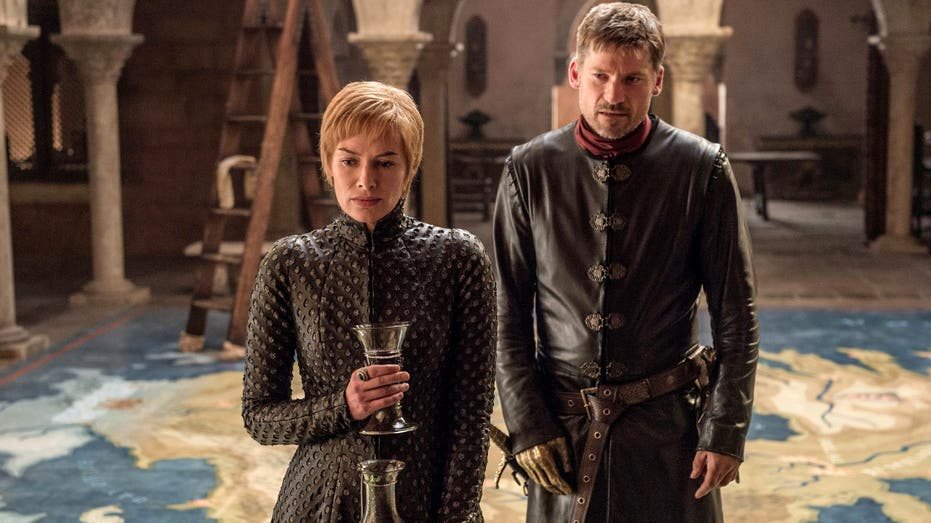
The epic fantasy genre is more popular than ever, with audiences spending billions annually on books, films, games, and merchandise. But according to a new essay, much of what is being produced betrays the very qualities that made the genre great in the first place.
The essay argues that creators have confused maturity with explicitness, turning the industry into what it calls a «clickbait factory» that pumps out gratuitous sex and violence to lure eyeballs and dollars. Even more troubling, it suggests, is that this content is increasingly being slipped to young audiences under the radar of parents and educators.
Popular series such as «A Court of Thorns and Roses» and «Fourth Wing» are marketed as young adult fiction in stores and school libraries despite containing graphic content throughout. This reflects a broader trend toward darker and more explicit publishing aimed at teenagers, the essay notes.
The «Game of Thrones» universe is cited as the endpoint of that trajectory. The book series alone depicts 214 separate acts of rape across 117 named victims, according to the essay, and a survey of the show's own viewers concluded that its pervasive sexual violence served no purpose in the story at all.
Yet the problem is not that fantasy contains darkness, danger, or morally complex characters. The essay points out that J.R.R. Tolkien and C.S. Lewis built Middle-earth and Narnia as worlds where wonder and danger were intertwined, and where courage was meaningful precisely because it came at a cost. Their books remain beloved generations later because they never confused darkness with goodness.
The Bible itself is full of supernatural events, war, betrayal, demons, giants, dragons, sorcery, and miracles, the essay observes. «The Lord of the Rings» depicts monsters, magic, death, corruption, and the temptation of power. But these stories make clear that evil has consequences, courage matters, and darkness is never presented as something to be enjoyed for its own sake.
Children who read the «Chronicles of Narnia» must confront serious themes of deception, sacrifice, and death, yet they come to understand that goodness is worth dying for. These are among the best-selling titles of all time, demonstrating that audiences want danger, powerful enemies, imperfect characters, adventure, wonder, humor, and hope — not pornography, vulgarity, or hopelessness.
The essay acknowledges that it would be easy to conclude that the answer is to steer strictly toward faith-based and conservative entertainment. But it argues that conservative and Christian creators must also do better. Audiences expect excellent writing, acting, music, visuals, and production. Traditional values cannot save a boring story, uninspiring characters, unconvincing worlds, or bad gameplay.
Tolkien and Lewis did not build their worlds as sermons in disguise. The truth inside their stories came alive because the craft came first. That is the standard worth chasing, the essay concludes — not just a cleaner version of what already exists, but a new golden age of fantasy, written by authors, filmmakers, and studios willing to do the harder work of making something genuinely good.
The desire for wonder without wreckage is enormous, the essay states. What is needed are worlds worth losing oneself in for an afternoon, with heroes worth following into the dark because readers trust they will be led back into the light.