
Memorandum
- From
- Derek Weston via GameSpot - All Content
- Date
- Filed
- Culture·4 min to read
- Re
Ocarina of Time remake keeps the original's charm with modern polish
ReOcarina of Time remake keeps the original's charm with modern polish
A 2026 remake of The Legend of Zelda: Ocarina of Time preserves the 1998 classic's design and story while adding upgraded visuals, reworked music, full voice acting and a jump button.
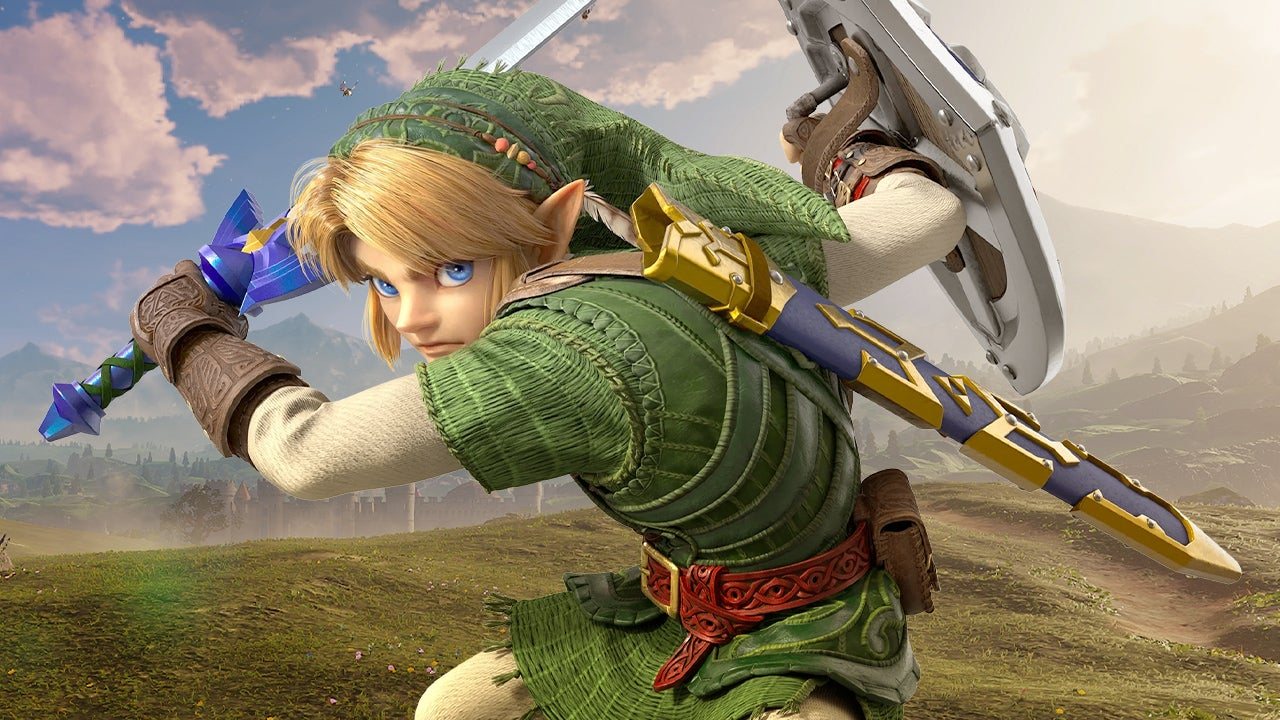
The 2026 remake of The Legend of Zelda: Ocarina of Time keeps the original's silliness, solemnity and exploration intact while modernizing its gameplay with a light touch. The game arrives as a Nintendo Switch 2 exclusive, and it is positioned as the definitive way to experience a title that many players regard as one of the greatest games ever made. For longtime fans, the reviewer notes, the remake offers a chance to rediscover why the game earned its reputation, now with fresh eyes.
The original Ocarina of Time, released in 1998, was the first 3D entry in the Zelda series. It introduced staples that remain central to the franchise, including Epona, Z-targeting, and the Goron and Gerudo peoples. Alongside Super Mario 64, it set a template for decades of development at Nintendo, and its influence extended across the video game industry as a whole. The remake is measured against that legacy, and the review argues that the series would not be the same without it.
The most visible change is the presentation. The reviewer describes the game as one of the best-looking titles on Switch 2, pointing to details such as plant-fiber stitching on the clothing of Link and the Kokiri children, light glinting off the Ocarina of Time, and dungeon brickwork that looks weathered and lived-in. Bosses crumble into purple ash when defeated. The changes extend to animation and sound design: Link's cheeks visibly puff when he plays his ocarina, and the directional audio cues in the Lost Woods create a more fully realized spatial experience. The reorchestrated soundtrack is described as just as stirring as the 1998 version.
The remake adds full voice acting for many characters in cutscenes and certain dialogue. The reviewer praises the cast, singling out Ganondorf's menacing performance, the cheerful Darunia, Saria's sweet and heartfelt delivery, Impa's no-nonsense tone, and a younger Princess Ruto described as pushy but lovable. Navi's voice sounds slightly older while remaining childlike, and it often functions as Link's voice, since Link stays silent apart from battle barks and reactions.
Not every change lands. The reviewer finds that the revised character model and voice acting for Sheik make the character's central plot twist less believable. The game clearly aims to preserve the original intent, but the reveal relied heavily on the limitations of the Nintendo 64, and the reviewer says it strains credibility that Link and Navi do not work it out sooner. The reviewer nonetheless considers the expanded cutscenes a gain. Emphasis on facial expressions and detailed animation gives key moments more weight, as in Saria's tearful farewell to Link at the edge of Kokiri Forest, where Link's brief hesitation suggests unspoken feeling. Some scenes make story beats more explicit, such as the moment Ganondorf exploits Link's first pickup of the Master Sword. The reviewer checked the original to confirm that the information was not new, only clearer.
The remake adheres closely to the original design but adds quality-of-life improvements. The most significant is a jump button, which the original lacked because of controller limitations and the newness of 3D exploration. The reviewer calls the addition excellent, saying it fits the stage and dungeon design as though it had always been there. Ocarina was never built around difficult platforming, the reviewer notes, but the ability to control jumps freely and hop onto vines or ladders makes the experience feel smoother. Taken together, the review concludes, the remake shows that a masterpiece can remain fresh when its updates respect the original design.
3

Source: The Zelda: Ocarina Of Time Remake Shows That A Masterpiece Is Ageless