
Memorandum
- From
- Connor Quincy via Fast Company
- Date
- Filed
- Politics·3 min to read
- Re
Voters reject AI data centers in 38 of 41 local ballot measures
ReVoters reject AI data centers in 38 of 41 local ballot measures
Voters across the country rejected data center projects in 38 of 41 ballot measures in the 2026 midterms, with several states and cities backing bans, pauses and tougher approval rules.
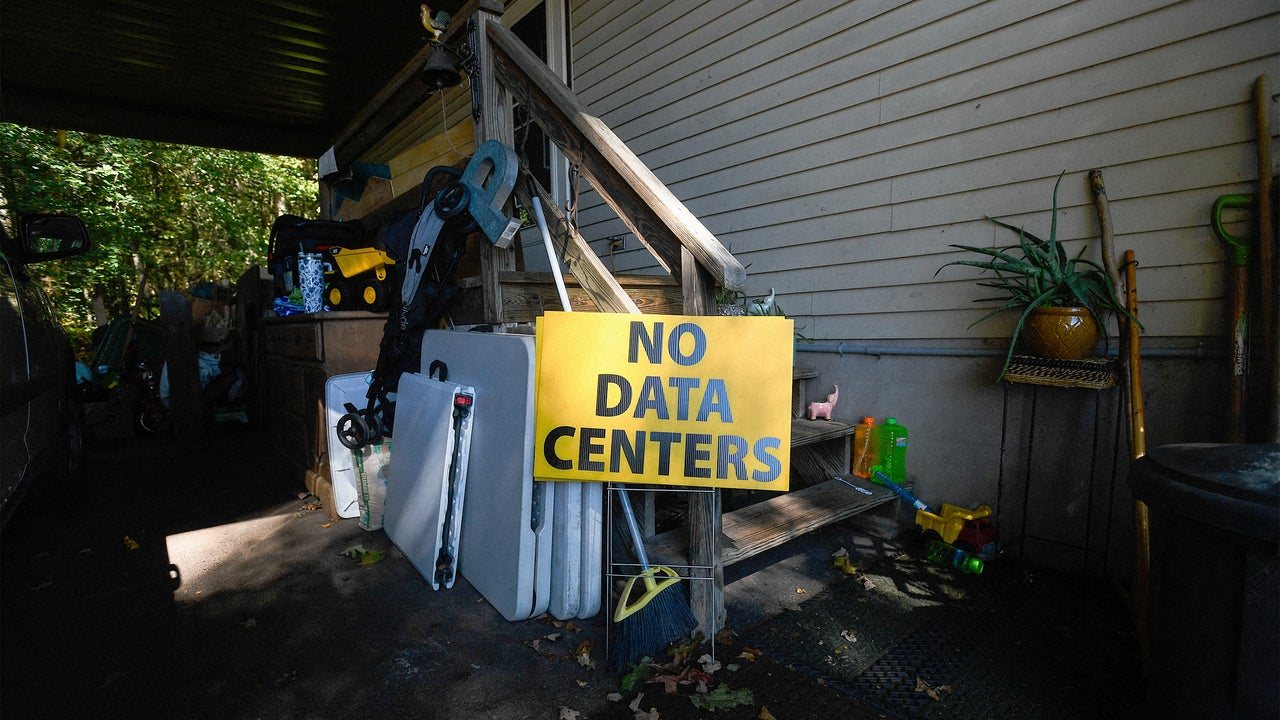
Voters across the United States rejected data center projects in the 2026 midterm elections, turning local and state ballot measures into a broad signal of public resistance to the rapid buildout of artificial intelligence infrastructure. Data center measures appeared in more than 30 districts nationwide, and voters rejected them in 38 of 41 measures, according to the figures reported so far. Three other measures had not yet been reported.
The results were often lopsided. In Edgewater, Florida, more than 77 percent of voters backed a charter amendment barring new data centers. In Ashville, Ohio, more than 81 percent rejected a deal with the company EdgeConneX to build two centers, a project that involved on-site natural gas generation across nearly 200 acres. In Grove City, Ohio, the outcome was closer, with about 55 percent of voters supporting a requirement that projects receive public approval. Across the 38 measures for which results were reported, support for bans or pauses reached 70 percent or higher in 28 cases, and 80 percent or higher in 13.
The votes also carried consequences for statewide leaders. In Pennsylvania, Gov. Josh Shapiro, who signed an August order restricting data center projects, won a second term. In Georgia, Democrat Keisha Lance Bottoms won the governor's race after running on a statewide pause on data centers. In Texas, Gov. Greg Abbott lost his bid for reelection; he had introduced a temporary moratorium on data centers and had raised about $9 million from data center donors. Democrat Gina Hinojosa won the Texas governor's race, promising a construction moratorium.
Texas stands out because of the scale of its existing buildout. The state has more than 781 data centers operating, under construction or planned. The debate there has centered on whether that expansion should continue at its current pace, and the governor's race became a referendum on the issue.
Money flowed heavily into the contests. Spending on anti-data center advertising exceeded $173 million across campaigns and advocacy groups, with Democrats accounting for about $140 million and Republicans about $28 million. The industry also weighed in. An industry super PAC spent $1.5 million backing Republican Darline Graham in South Carolina, but Graham lost her Senate race to Democrat Annie Andrews.
The outcomes stand in contrast to the national political posture on AI. President Donald Trump has publicly backed AI and data center expansion, including in a post in August. The midterm results suggest that support at the federal level has not translated into voter enthusiasm for data centers in many communities, where residents have raised concerns about energy use, natural gas infrastructure and local approval processes.
3

Source: AI data centers also lost big in the 2026 midterm elections