
Memorandum
- From
- Caroline Mercer
- Date
- Filed
- Economy·5 min to read
- Re
Why the U.S. Oil Reserve Is Below 300 Million Barrels Again
ReWhy the U.S. Oil Reserve Is Below 300 Million Barrels Again
The Strategic Petroleum Reserve has fallen to 298.7 million barrels, a level last seen in 1983. The latest drawdown is part of a planned emergency exchange, and the often-cited 8% decline unfolded over six weeks.
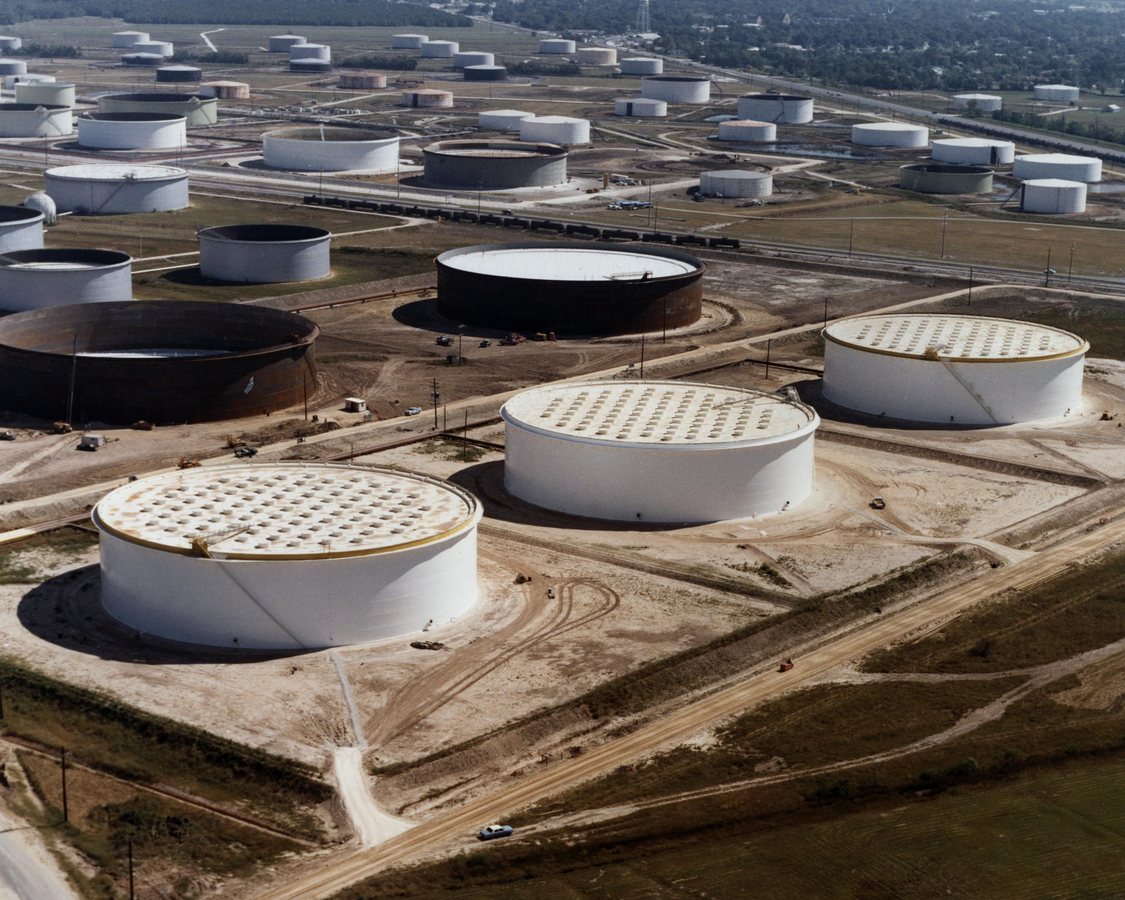
America's emergency oil reserve is back below 300 million barrels, but the headline number makes more sense when it is placed on the right timeline.
The Department of Energy lists 298.7 million barrels in the Strategic Petroleum Reserve as of Aug. 7. That puts the stockpile at its lowest level since 1983 and well below where it stood at the start of the major 2026 drawdown.
First, this is crude oil, not gasoline. The Strategic Petroleum Reserve is a federal emergency stockpile of crude stored in underground salt caverns along the Gulf Coast. Gasoline inventories are measured separately after crude has been refined into fuel. Treating the SPR total as a count of strategic gasoline barrels confuses two different parts of the petroleum system.
Second, the frequently cited 325.7-million-barrel comparison belongs to late June. EIA data show 325.655 million barrels for the week ending June 26. A Reuters report published June 29 rounded that figure to 325.7 million. Against the Aug. 7 Department of Energy total of 298.7 million, the reserve is down 26.955 million barrels, or about 8.3%.
That is a substantial move, but it occurred over six weeks, not 12 days.
The weekly path shows a steady descent. The EIA recorded 319.489 million barrels on July 3, 316.504 million on July 10, 311.447 million on July 17, 307.650 million on July 24 and 304.809 million on July 31. The Department of Energy's current inventory then shows the reserve below 300 million by Aug. 7.
The more useful baseline is March. EIA records put the SPR at 415.442 million barrels for the week ending March 20. The difference between that level and 298.7 million barrels is about 116.7 million barrels, or 28.1%.
Why did it fall so quickly? In March, the Energy Department announced a 172-million-barrel U.S. release as part of a coordinated International Energy Agency response involving 400 million barrels across 32 member countries. DOE said U.S. deliveries were expected over roughly 120 days.
The word “release” can suggest a one-way sale, but the department's program is built largely around exchanges. Under an exchange, a company receives government-owned crude now and is obligated to return crude later. The return includes additional barrels as a premium, meaning the government can receive more oil than it initially transferred if the contracts are fulfilled as planned.
DOE said when the program was announced that it intended to arrange for about 200 million barrels to be returned within the following year. That planned return is important when judging the current inventory: 298.7 million barrels is the physical stock on hand now, while contractual future returns sit on a different timeline.
There is also a historical reason the sub-300-million threshold attracts attention. EIA's weekly series shows the reserve at 298.379 million barrels on Jan. 28, 1983 and 300.917 million a week later. The current reading therefore takes the SPR back to a range it has not occupied for roughly 43 years.
The reserve itself was built for supply emergencies, not to operate as an everyday commercial inventory. It has authorized storage capacity of 714 million barrels across four major Gulf Coast locations in Texas and Louisiana. Those sites use underground salt caverns because they provide large-volume storage with a relatively small surface footprint and can support substantial withdrawal rates during emergencies.
For households and businesses, the sub-300-million figure does not mean the United States is about to run out of gasoline. It shows that one federal emergency buffer is much smaller than it was earlier this year while a large exchange program is still moving crude out of storage. Pump prices depend on a broader chain that includes global crude prices, refinery operations, regional fuel inventories, transport constraints, taxes and demand.
The next phase will be defined by two flows moving in opposite directions: remaining 2026 deliveries out of the reserve and future barrels scheduled to come back under exchange contracts. Whether the SPR begins rebuilding soon or continues to fall will depend on that schedule — and on whether another supply shock changes Washington's plan.
66

Source: U.S. Department of Energy — Strategic Petroleum Reserve inventory