Memorandum
- From
- Caroline Mercer via Variety
- Date
- Filed
- Culture·5 min to read
- Re
Yuval Abraham Condemns U.S. Support for Gaza Destruction at NYFF Premiere of 'NAZA'
ReYuval Abraham Condemns U.S. Support for Gaza Destruction at NYFF Premiere of 'NAZA'
Co-director Yuval Abraham told the New York Film Festival audience that the U.S. government is funding Israel's destruction of Gaza, drawing a massive standing ovation for the documentary 'NAZA'.
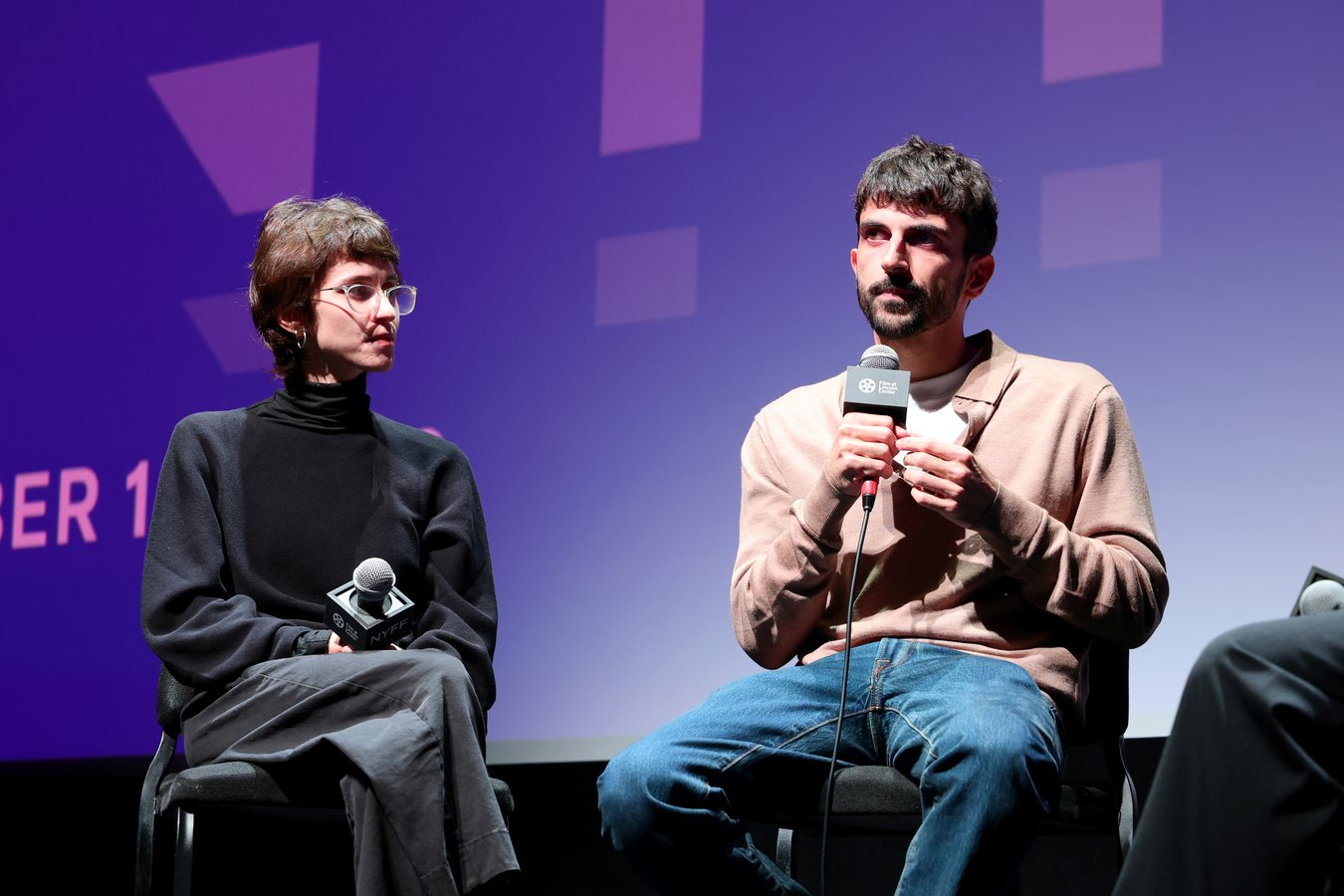
Yuval Abraham, co-director of the documentary «NAZA», used the film's North American premiere at the New York Film Festival to deliver a direct indictment of the U.S. government, telling the audience that American funding is enabling the destruction of Gaza. The screening ended with a massive standing ovation, with many attendees visibly emotional as the credits rolled.
During a brief Q&A with festival director Dennis Lim, Abraham, a journalist as well as a filmmaker, addressed the crowd directly. He said the devastation in Gaza is being carried out with support from the United States, and he told those gathered: «This is what your country is supporting.» The remark drew immediate reaction from the audience, underscoring the charged atmosphere surrounding the film's festival run.
Abraham co-directed «NAZA» with Rachel Szor. Both were present at the New York screening, and both participated in the post-film discussion. The documentary focuses on Gaza, and its North American premiere at NYFF marks a significant moment in its international rollout, following earlier festival appearances. The film has been met with strong emotional responses from viewers, a pattern that continued in New York.
The Q&A was kept brief, but Abraham's comments ensured the premiere became as much about the political context of the film as about the filmmaking itself. His decision to single out the U.S. government reflects a broader debate within the cultural sector about the role of American military and financial support in the conflict. For an audience at a major American film festival, the statement was pointed and unmistakable.
«NAZA» arrives at a time when documentaries dealing with Gaza have become focal points for both artistic acclaim and political controversy. Film festivals have increasingly served as venues where filmmakers and audiences engage directly with the war's humanitarian toll. The New York Film Festival, one of the most prominent showcases for international cinema in the United States, provided a high-profile platform for that conversation.
Abraham's dual role as journalist and co-director lends his remarks additional weight. He has reported extensively on the region, and his onstage comments were consistent with a body of work that blends documentary practice with direct political critique. The ovation that followed the screening suggested that the NYFF audience was largely receptive to his message, even as it placed the film within a contentious public debate.
The premiere also highlighted the emotional intensity that has come to characterize screenings of films about Gaza. Audience members were described as still drying their eyes as the lights came up, a reaction that speaks to the film's impact. Such responses have become common at festivals where «NAZA» has been shown, reinforcing its reputation as a work that provokes both grief and political reflection.
For the New York Film Festival, the event added another chapter to its history of hosting films that engage with pressing global issues. The festival has long been a launchpad for documentaries that go on to shape public discourse, and «NAZA» now joins that lineage. Whether the film's message will travel beyond festival audiences remains an open question, but its North American debut ensured that the conversation around U.S. involvement in Gaza reached a prominent cultural stage.
Abraham's remarks are unlikely to be the last word on the subject. As «NAZA» continues its festival circuit, the film is expected to generate further discussion about the responsibilities of artists, the role of documentary in times of conflict, and the extent to which American audiences are willing to confront the consequences of their government's foreign policy. For now, the standing ovation at NYFF stands as a vivid snapshot of that ongoing reckoning.
4