Memorandum
- From
- Connor Quincy via The New York Times
- Date
- Filed
- News·5 min to read
- Re
Nor'easter Slams Northeast With Flooding, Power Outages and Flight Cancellations
ReNor'easter Slams Northeast With Flooding, Power Outages and Flight Cancellations
A powerful nor'easter battered the Northeast with heavy rain, wind gusts over 50 mph, coastal flooding, widespread power outages and hundreds of flight cancellations, forcing major events to be called off.
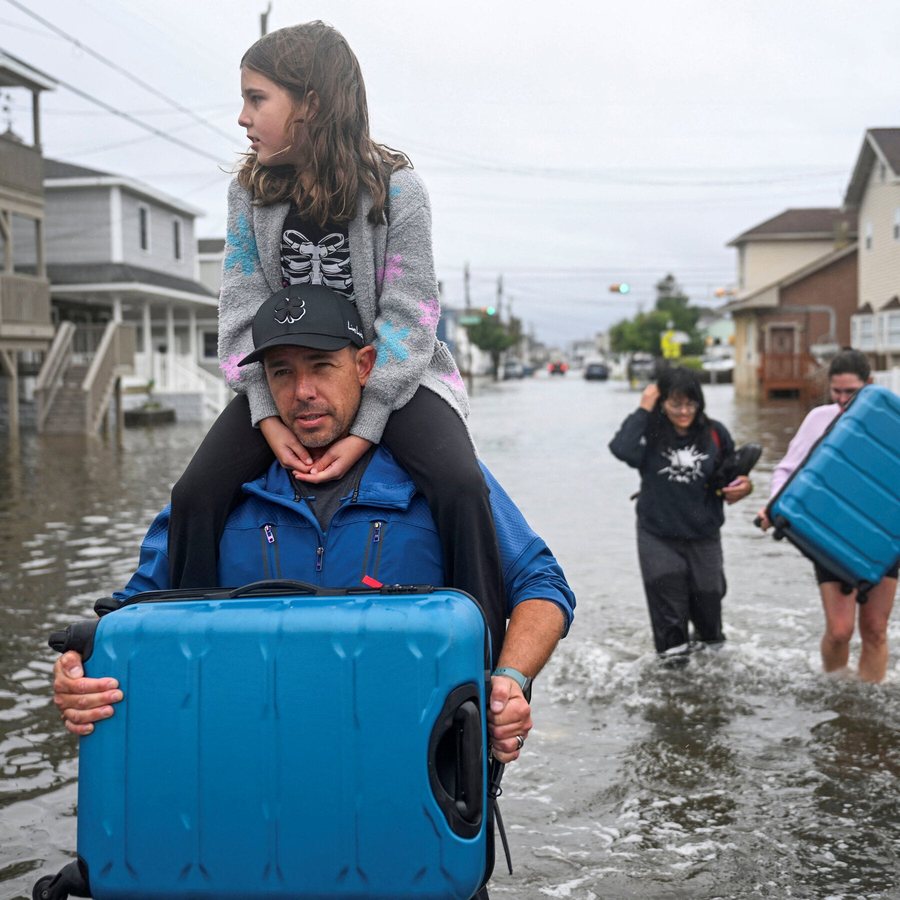
A powerful nor'easter pounded the Northeast on Saturday, flooding low-lying communities, cutting power to thousands of customers and forcing the cancellation of hundreds of flights and several major events as wind gusts topped 50 miles per hour in places.
The storm struck a broad stretch of the coastal Northeast, with New York, Long Island and Boston among the areas in its path. Heavy rain combined with strong onshore winds pushed water into coastal and low-lying neighborhoods, leaving roads and properties submerged in some communities.
Utility crews reported that thousands of customers lost electricity as downed trees and branches brought power lines down across the region. More than 100,000 customers were left without power at the height of the outages, according to reports from the region.
Air travel was severely disrupted. More than 400 flights were canceled as the storm moved through, with the New York and Boston areas among the hardest hit. Travelers faced delays and rebooking challenges as airlines adjusted schedules around the deteriorating conditions.
The storm also forced the cancellation of several major events across the region. Organizers called off gatherings that had been expected to draw large crowds, citing safety concerns and the hazardous travel conditions created by the rain and wind.
Forecasters had warned in the days leading up to the storm that rain, flooding and strong winds were expected across much of the coastal Northeast for the weekend. The system developed into a nor'easter, a type of storm known for its strong northeast winds and heavy precipitation along the East Coast.
Coastal flooding was among the most visible effects. Low-lying areas along the shoreline took on water as the storm surge and heavy rainfall overwhelmed drainage systems. Residents in some neighborhoods were urged to avoid travel and to move vehicles and belongings to higher ground.
Wind gusts exceeding 50 miles per hour were recorded in places, strong enough to topple trees and make driving difficult on bridges and exposed roadways. The combination of saturated ground and high winds raised the risk of additional outages as the storm continued to move through the region.
Emergency officials across the affected states monitored conditions throughout the day, with crews staged to respond to reports of flooding, fallen trees and power failures. Local authorities advised residents to stay off the roads where possible and to keep away from downed wires.
The storm's timing on a weekend meant that many of the region's usual commuters were at home, but it also disrupted weekend travel plans, sporting events and outdoor gatherings. Airports in the New York and Boston areas became hubs of frustration as passengers learned of cancellations and delays.
By Saturday, the storm had established itself as a significant weather event for the Northeast, with effects stretching from coastal communities to inland areas. The full extent of the damage was expected to become clearer as winds eased and crews were able to assess flooded streets, damaged infrastructure and restored power lines.
Forecasters continued to track the system as it moved through the region, warning that conditions could remain hazardous even as the heaviest rain and strongest winds began to subside. Residents were advised to remain cautious around floodwaters and to report downed power lines to utility companies rather than approaching them.
The nor'easter is the latest in a series of severe weather events to affect the East Coast, underscoring the vulnerability of coastal communities to flooding and the strain that such storms place on transportation networks and power systems. Officials said recovery efforts would continue once the storm passed and conditions allowed crews to work safely.
4