Memorandum
- From
- Caroline Mercer via TIME.com
- Date
- Filed
- Economy·5 min to read
- Re
TIME and Statista Release 2026 Ranking of World's Top EdTech Companies
ReTIME and Statista Release 2026 Ranking of World's Top EdTech Companies
TIME and Statista have published the third annual ranking of the world's top 500 EdTech companies, based on financial strength and industry impact, with a new 'Rising Stars' category for high-growth firms.
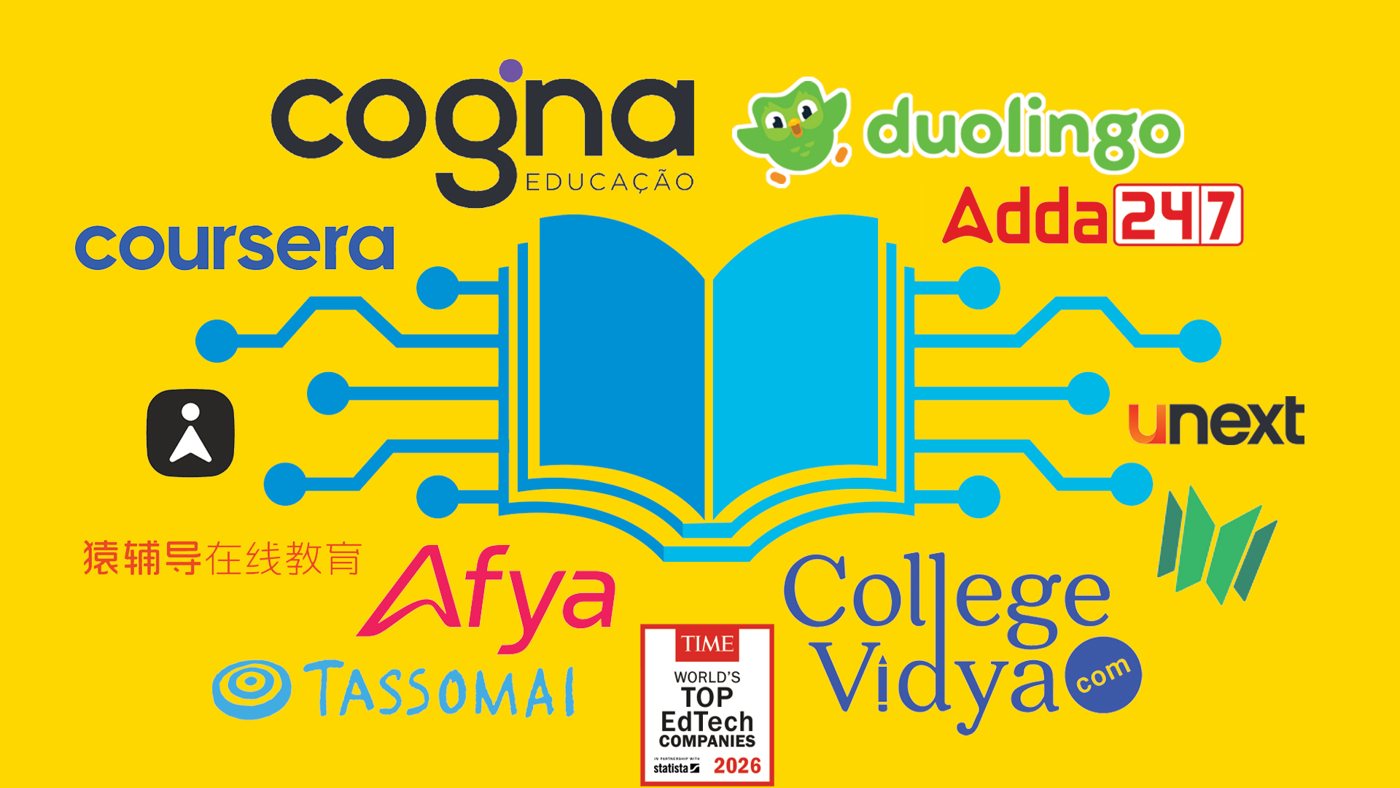
TIME and Statista have unveiled the third annualWorld's Top EdTech Companies 2026ranking, a comprehensive study identifying 500 leading firms in educational technology. The list, published in partnership with the international data and market research firm Statista, highlights companies that excel in both financial performance and industry influence. The ranking aims to provide a benchmark for the rapidly evolving EdTech sector, which has seen significant growth and transformation in recent years.
The methodology behind the ranking is built on two main pillars: financial strength and industry impact. Statista gathered and analyzed data from approximately 6,500 companies through desk research, online application forms, and collaborations with other data and market intelligence providers. Each company received scores in both dimensions, which were then combined into an overall score. The final score was calculated as 70 percent financial strength and 30 percent impact, ensuring that economic viability and societal relevance are both considered.
For the financial strength dimension, Statista examined revenue, funding, and market capitalization data from publicly available sources such as annual reports, company websites, media monitoring, and databases. Company disclosures submitted through an online application form on the TIME website were also considered. This approach allowed the researchers to capture a broad and accurate picture of each company's economic standing within the global EdTech landscape.
The industry impact dimension was assessed in collaboration with The Upright Project and LexisNexis Intellectual Property Solutions. These partners evaluated factors including the holistic impact of a company's product and service portfolio, alignment with the United Nations Sustainable Development Goals (SDGs), and the quantity and value of its intellectual property portfolio. Additionally, Statista researched web traffic metrics to gauge the relevance of products and services to their target audiences. This multi-faceted analysis ensures that the ranking reflects not only financial success but also meaningful contributions to education and society.
The evaluation process began by identifying companies within the global EdTech sector that demonstrated above-average financial performance in their geographical region. From this pool, the selection was narrowed to those that also showed significant industry impact within their specific categories. The final ranking includes 500 companies that achieved the highest overall scores, earning them the designation ofWorld's Top EdTech Companies 2026.
Alongside the main list, TIME and Statista have introduced aRising Starsranking, which highlights companies with the highest revenue growth rates over the past three years. To qualify for this category, companies had to be 10 years old or younger, have a minimum revenue of $1 million in 2024, and demonstrate a revenue growth rate of more than 20 percent over the last three years. This addition recognizes emerging players that are rapidly gaining traction in the EdTech market.
The ranking is based on data collected up to June 4, 2026, and events after that date were not considered. TIME and Statista emphasize that the selection and evaluation criteria were based on independent journalistic standards, and the ranking should not be used as the sole source of information for decision-making. The quality of companies not included in the list is not disputed, and the ranking is intended to be used alongside other available information.
The EdTech sector has become a critical component of global education, especially after the pandemic accelerated digital learning adoption. The 2026 ranking reflects the diversity of the industry, encompassing companies that provide everything from online learning platforms and adaptive software to virtual classrooms and educational games. By highlighting top performers, TIME and Statista aim to offer insights into the trends and innovations shaping the future of education.
Statista's rigorous methodology, combined with TIME's editorial oversight, ensures that the ranking is both credible and useful for educators, investors, and policymakers. The inclusion of theRising Starscategory also provides a forward-looking perspective, identifying companies that are poised for continued growth. As the EdTech industry continues to evolve, such rankings serve as valuable tools for understanding market dynamics and recognizing excellence in educational technology.
117