Memorandum
- From
- Connor Quincy via fox - Most Popular
- Date
- Filed
- Society·4 min to read
- Re
Chicago fourth graders struggle with reading, and an opinion writer warns the crisis is being ignored
ReChicago fourth graders struggle with reading, and an opinion writer warns the crisis is being ignored
Only 23 percent of Chicago fourth graders scored proficient or higher in reading on the 2024 National Assessment of Educational Progress, a pastor and columnist argues the city is failing children on the most basic skill.
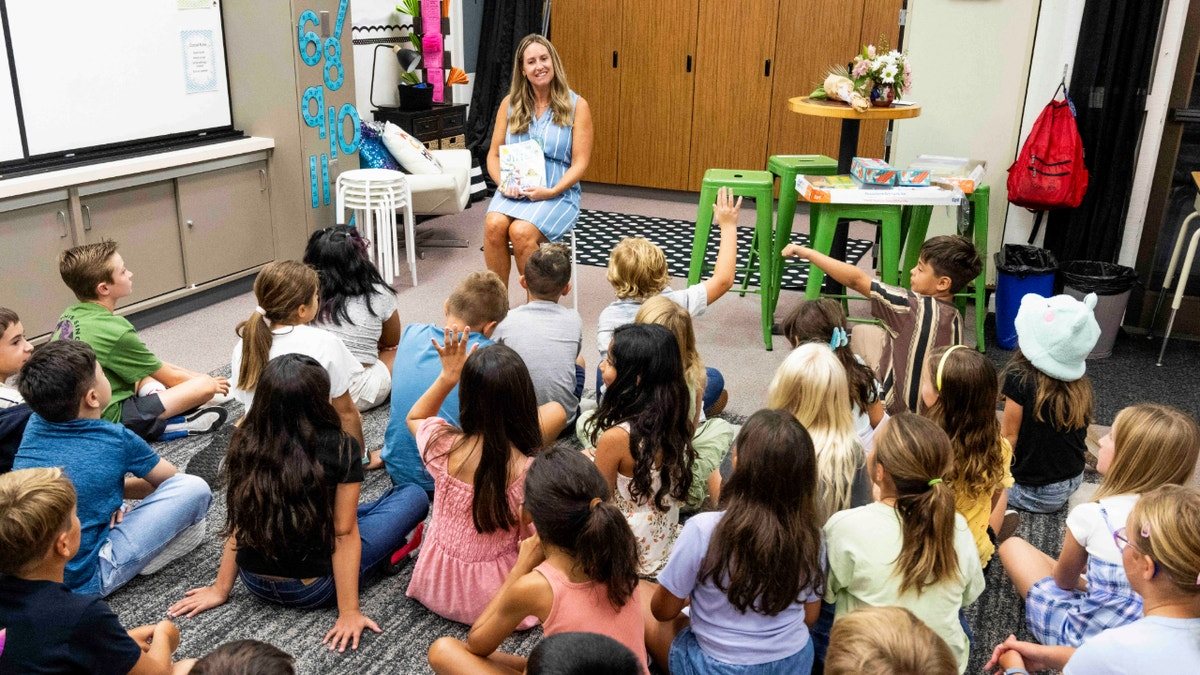
Only 23 percent of Chicago fourth graders scored proficient or higher in reading on the 2024 National Assessment of Educational Progress, the federal test widely known as the Nation's Report Card. An additional 53 percent scored below basic, meaning that roughly three in four fourth graders could not demonstrate a solid command of reading skills. Pastor Corey Brooks, a South Side Chicago minister, argues in a Fox News opinion column that the city's schools are failing children at the one skill that most shapes their futures.
Brooks points to a weak improvement over time. Reading proficiency rose only four percentage points between fourth and eighth grade, from 23 percent to 27 percent. He writes that educators and parents did not sound alarms despite the figures, and that students who did improve were the exception. He describes the numbers as covering all of Chicago's students, arguing that the decline in education standards affects the entire city rather than a single group.
The columnist draws a direct line between early reading and later life. A child who cannot read proficiently by the end of third grade is four times more likely to fail to graduate from high school on time than a proficient reader, he writes, and the gap is wider for children who live in poverty. Adults with limited literacy, Brooks argues, face higher unemployment and lower lifetime earnings and are effectively shut out of jobs that require reading. He says he sees the consequences in his own community, describing young people who cannot fill out a simple job application, parents who cannot read medical reports that determine what help their children receive, and high school graduates who cannot read a lease or understand a text message from a supervisor.
Brooks frames the problem as one of priorities. He writes that illiteracy is treated as background noise, while other issues, including homelessness and immigration, receive more attention. He stresses that he is not dismissing those issues, only arguing that the literacy crisis deserves a place near the top of the agenda. He also says that the science of reading has been settled for decades, and that it begins with phonics, teaching children to sound out letters and blend those sounds into words. Schools that use structured literacy programs, he writes, see results. He argues that some schools moved away from these fundamentals and that children paid the price.
The column assigns responsibility to several groups. Brooks says much of the blame belongs to parents, whom he urges to read aloud to their children every night. He also criticizes schools that advance students to upper grades when they cannot read at grade level, and he writes that anyone who calls children the future without pressing for reading is part of the problem. He says he is working to open his own school alongside the Leadership and Economic Opportunity Center, with a plan to teach parents how to read to their children and to set academic excellence as the expectation in the community.
The column is an opinion piece by a community leader rather than a reported news investigation, and its figures are drawn from the 2024 federal assessment as cited by the writer. Brooks presents his proposed school as a path forward, writing that when children arrive at kindergarten already knowing their letters and sounds, their teachers will see what is possible and want more of it.
2