Memorandum
- From
- Derek Weston via All News
- Date
- Filed
- Economy·4 min to read
- Re
Stocks Mixed After AI-Led Selloff as Oil Prices Climb Again
ReStocks Mixed After AI-Led Selloff as Oil Prices Climb Again
Global equity markets traded unevenly a day after an AI-driven tech rout, while oil prices resumed their rise. The pullback in tech shares boosted bonds and weakened expectations for near-term rate hikes.
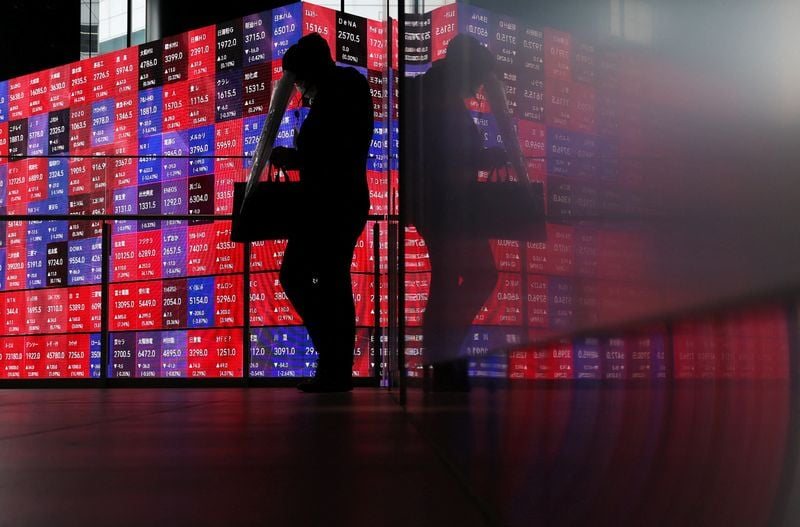
Stock markets traded mixed on Wednesday, a day after a sharp selloff tied to artificial intelligence shares rattled technology investors and reshuffled expectations across other asset classes. The uneven session came as oil prices rose again, adding a fresh source of cost pressure for households and businesses already watching energy costs closely.
The previous session's tech-led decline weighed most heavily on companies at the center of the AI investment boom, whose valuations have climbed rapidly over the past year. As those shares fell, investors moved toward government bonds, pushing yields lower and signaling that markets were reassessing how aggressively central banks might need to tighten monetary policy in the months ahead.
The shift in rate expectations is significant because borrowing costs influence everything from mortgage rates to corporate investment. When bond yields fall, it typically reflects investors seeking safer assets and anticipating a less aggressive path for interest rates. That dynamic can offer relief to rate-sensitive sectors, but it can also signal concern about growth prospects if the move is driven by a broader retreat from riskier holdings.
Oil's renewed advance added another layer of uncertainty. Higher crude prices can feed through to gasoline, heating costs, and transportation expenses, complicating the inflation picture for policymakers. Energy costs have been a persistent wildcard in the broader inflation outlook, and a sustained rise could limit how quickly central banks feel comfortable easing policy.
The mixed equity performance suggests investors are not treating the AI-related pullback as the start of a sustained downturn, but they are also not rushing back into the same trades that drove markets higher earlier in the year. Instead, money appears to be rotating toward defensive positions and fixed income while the market digests whether the technology sector's rapid gains were overextended.
For ordinary investors, the swing illustrates how concentrated market leadership can amplify volatility. When a narrow group of large technology companies accounts for a substantial share of index gains, a reversal in that group can move the entire market even if other sectors remain stable. The bond market's response shows that investors are watching the same data policymakers use to set rates, including inflation readings and employment figures.
The coming sessions are likely to be shaped by whether the tech selloff deepens or stabilizes, and by how oil prices behave amid ongoing supply and demand uncertainties. A calmer technology sector could restore confidence, while a further slide could reinforce the shift toward safer assets and keep pressure on rate expectations.
For now, the picture is one of caution rather than panic. Stocks are mixed, bonds have drawn buyers, and energy prices are moving higher again — a combination that leaves investors weighing the durability of the AI trade against the persistent risk that inflation and interest rates remain higher for longer than hoped.
4