Memorandum
- From
- Delaney Sawyer via The New York Times
- Date
- Filed
- Economy·3 min to read
- Re
Mortgage Rates Above 7% Force Sellers to Cut Home Prices in Some Markets
ReMortgage Rates Above 7% Force Sellers to Cut Home Prices in Some Markets
With mortgage rates holding above 7%, sellers in some areas are repricing their homes and reconsidering market conditions, creating openings for buyers who have been sidelined by affordability concerns.
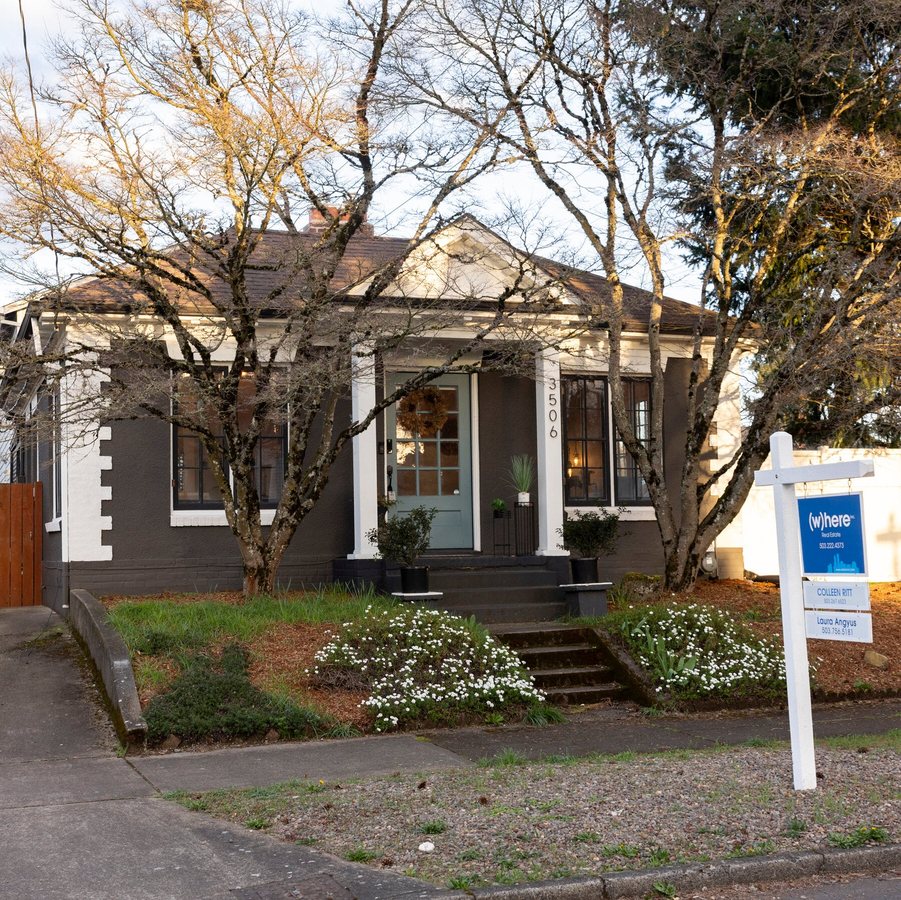
Mortgage rates remain above 7%, and that sustained pressure is beginning to reshape parts of the housing market as sellers reconsider their expectations and lower asking prices in some areas. The shift is giving buyers a narrow opening in markets where competition had previously left little room to negotiate.
The dynamic marks a change from the recent period in which homeowners with low-rate mortgages held firm on pricing, reluctant to concede value after locking in cheap financing years earlier. With borrowing costs staying elevated, sellers in some communities are now adjusting to what buyers can realistically afford, repricing homes rather than waiting for demand to return at previous levels.
For buyers, the effect is mixed. Lower list prices can offset some of the cost of a higher mortgage rate, but monthly payments remain steep because financing costs are still well above the lows of the pandemic era. That arithmetic continues to limit how much house many households can purchase, even when sellers trim their asking prices.
The repricing is not uniform. Some sellers are holding firm, particularly where inventory remains tight and local demand is steady. In other areas, the gap between what owners hope to receive and what buyers are willing to pay has widened enough that price cuts have become the practical route to a sale.
Real estate agents and market watchers have described a market in transition, where sellers must weigh the cost of waiting against the risk of losing a buyer. For those who need to move, adjusting the price can be more attractive than carrying a home through a prolonged stretch of weak activity.
The broader housing picture remains constrained by a persistent shortage of available homes in many parts of the country. That scarcity has kept prices from falling sharply overall, even as affordability pressures mount. The result is a market that is cooling unevenly, with localized discounts rather than a broad decline.
Buyers who have been priced out are watching for further movement. Some are negotiating on repairs or closing costs in addition to the headline price, using the softer conditions as leverage. Others remain on the sidelines, waiting to see whether rates ease or prices fall further before committing to a purchase.
For sellers, the calculus is increasingly practical. Holding out for a peak-era price can mean months of uncertainty, while a realistic listing may attract the limited pool of buyers still active. The willingness to reprice varies by neighborhood and by how urgently an owner needs to sell.
The persistence of rates above 7% has become a defining feature of the current market. Until financing costs ease meaningfully, the standoff between sellers' expectations and buyers' budgets is likely to continue, with price adjustments emerging where the pressure is greatest.
3