Memorandum
- From
- Caroline Mercer via fox - Most Popular
- Date
- Filed
- Economy·5 min to read
- Re
Alameda Ends Guaranteed Income Pilot as Mayor Urges Permanent Cash Support
ReAlameda Ends Guaranteed Income Pilot as Mayor Urges Permanent Cash Support
Alameda's Rise Up Alameda pilot gave 150 low-income households $1,000 a month for two years using federal pandemic relief funds. The program has concluded with no budget for continuation, even as Mayor Marilyn Ezzy Ashcraft calls direct cash a valuable tool against California's affordability crisis.
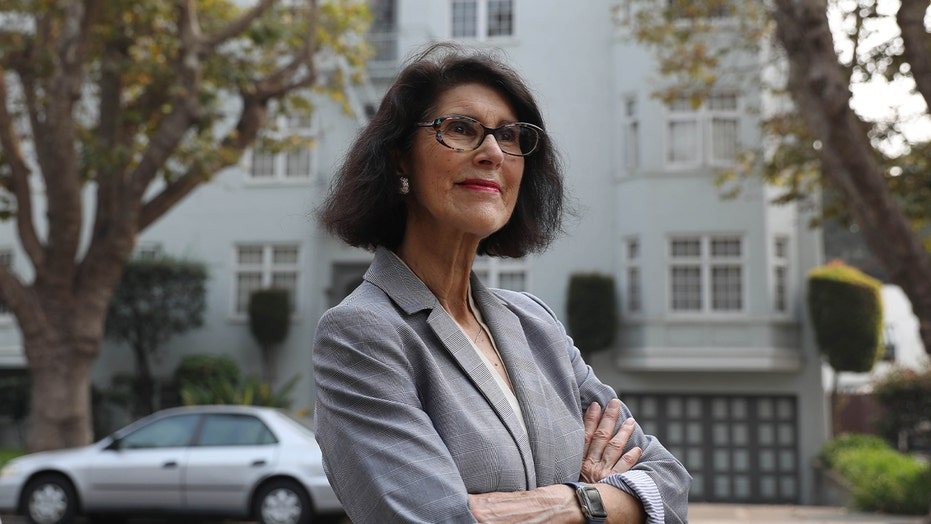
Alameda's first guaranteed income pilot has officially ended, leaving the city without a funded plan to continue the monthly cash payments that Mayor Marilyn Ezzy Ashcraft says helped residents weather California's affordability crisis. The program, known as Rise Up Alameda, provided 150 low-income households with $1,000 per month in no-strings-attached cash for two years before concluding when its one-time federal funding ran out.
City staff presented the final 24-month evaluation report to the Alameda City Council on Oct. 6. The pilot was financed with $4.6 million in federal pandemic relief from the American Rescue Plan Act, which was a one-time allocation. City notices confirm that because the federal money was temporary, the program has concluded and the city currently has no plans or budget set aside for a permanent continuation.
Ashcraft defended the approach in comments to Fox News Digital, arguing that guaranteed income programs are a valuable and effective tool to address the affordability crisis based on the documented experiences of participants. She noted that the average age of the 150 participants was 49, with 26% aged 62 or older, and that most were either employed or retired.
According to city documents, the pilot aimed to reduce economic instability for participants, help change local narratives and perceptions surrounding poverty and public benefits, and support the national discussion on anti-poverty policies. Ashcraft pointed to several participants whose circumstances improved during the program. One was Andrea, a certified nursing assistant who used the payments to cover medical bills, rent, gas, and Bay Area bridge tolls after her mother's death while caring for her father and ailing brother. Another, Dolores, a retiree in her 70s who spent 41 years at AT&T, paid off credit card debt and built an emergency savings account.
Other recipients included Haroon, a rideshare and transit driver; Julia, a woman with a disability who bought mattresses, groceries, and car tires after an eviction forced her to move in with her sister; and Tyronne, a Navy veteran and former truck driver at the decommissioned Alameda Naval Air Station who used the money to cover medical bills and stabilize his housing.
Ashcraft acknowledged that direct cash payments are not a complete remedy for the state's economic pressures. She said guaranteed income is not a stand-alone solution to the affordability crisis, but argued that programs like Rise Up Alameda can provide meaningful support while the city pursues longer-term solutions to the high cost of housing, health care, transportation, and other basic needs. As mayor, she said her responsibility is to advance practical, compassionate, and evidence-informed policies that help residents meet basic needs and build more stable futures.
The program's conclusion highlights a funding challenge facing local governments across the country. Many guaranteed income pilots were underwritten by temporary pandemic-era federal relief, and with federal deadlines requiring municipalities to spend remaining funds, mayors and advocacy groups are searching for ways to convert short-term experiments into permanent, taxpayer-funded programs.
The Economic Security Project, founded in 2016 by a network of entrepreneurs, activists, and researchers, has helped support more than 100 guaranteed income pilots nationwide. California leads the country with more than 60 pilot launches. Shafeka Hashash, the group's director of cash initiatives, said there is an active and growing movement for cash in hundreds of communities, and that the organization regularly takes calls from members of its Guaranteed Income Community of Practice interested in bringing cash to their neighborhoods. She said the group cannot announce any pilots or policies before the localities do.
For Alameda, the immediate question is whether the city will find new funding to sustain a program that its mayor credits with helping residents maintain stability. Without a dedicated budget, the pilot remains a completed experiment rather than a permanent fixture of the city's safety net.
3