Memorandum
- From
- Caroline Mercer via FOX News
- Date
- Filed
- Economy·4 min to read
- Re
Bargain Buffets Persist in Las Vegas as Luxury Dining Expands
ReBargain Buffets Persist in Las Vegas as Luxury Dining Expands
While high-end dining dominates the Las Vegas Strip, a few budget-friendly buffets continue to operate, attracting value-conscious gamblers and local customers. Casinos like South Point and Circus Circus use low-cost buffets to drive traffic despite slim margins, even as luxury buffets thrive and visitor demographics shift toward wealthier tourists.
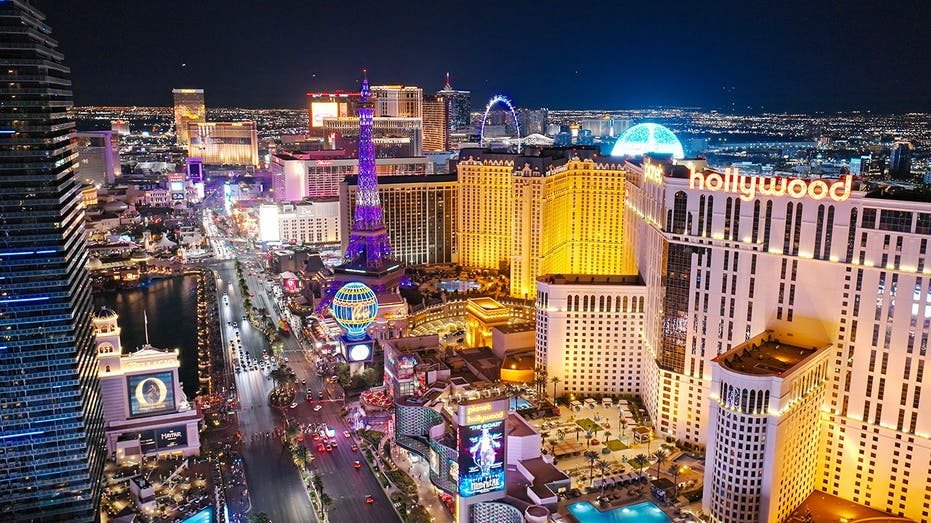
While Las Vegas has increasingly become a destination for high-end dining and luxury experiences, a handful of budget-friendly buffets continue to operate, serving as a strategic tool to attract value-conscious gamblers and repeat local customers. These affordable eateries, once a staple of the Strip, have largely disappeared in recent years, but some off-Strip casinos are keeping the tradition alive.
Michael Gaughan, owner of the South Point hotel and casino, explained the reasoning behind maintaining the low-cost buffet. «The buffets get people in,» he told The Wall Street Journal. «They get value for their money, and they stay around and play.» Despite losing between $1.5 million and $2 million per month on the buffet itself, South Point attracts about 3,000 daily visitors through its dining offerings.
The South Point buffet prices remain remarkably low by Las Vegas standards. Members can enjoy a breakfast with two bloody marys for $16.95. The prime rib and champagne brunch, including two mimosas, starts at $32.95. Dinner options include prime rib and peel-and-eat shrimp for $37.95, or $32.95 for club members. The popular Seafood Night on Fridays draws long lines starting before noon, with a $57.95 price tag that includes two glasses of wine or beer.
Another holdout is Circus Circus, a budget-friendly hotel that bills its buffet as «classic Las Vegas dining.» The buffet starts at $19.95 and operates Friday through Sunday. Circus Circus reportedly turns a monthly profit of $50,000 to $80,000 in the summer season by employing cost-saving measures, such as using unordered prime rib from its steakhouse in a buffet stew.
The Excalibur Hotel also offers a low-cost option, with weekday brunch at $32.99 for adults and $18.99 for children, while the weekend mimosa brunch costs $43.99 per adult.
The decline of traditional Vegas buffets accelerated during the COVID-19 pandemic, which forced closures and imposed social-distancing rules. According to The Wall Street Journal, more than a dozen traditional buffets operated on the Strip in 2020. Today, only four remain. The trend of wealthier visitors seeking high-end restaurants has further reduced demand for all-you-can-eat bargains.
In contrast, luxury buffets are thriving. Caesars' Bacchanal buffet, with prices starting at $87, and the Wynn buffet, which charges $80 per person for dinner, often have long wait times. These upscale offerings cater to a changing visitor demographic.
Luxury travel expert Whytney Rawls told Fox News Digital that the city's economic foundation has shifted. «Gaming was once the dominant revenue driver,» Rawls said. «Today, a much larger share comes from premium room rates, luxury dining, nightlife, entertainment, retail and large-scale events.»
Las Vegas visitation fell to 38.5 million in 2025, a 7.5% decline from 2024, according to the Las Vegas Convention and Visitors Authority. However, direct visitor spending reached a record $55.1 billion in 2024. The visitor profile has become wealthier: in 2024, 64% of visitors earned $100,000 or more, and by 2025, 44% of visitors earned at least $150,000.
The persistence of bargain buffets demonstrates a dual market: one catering to affluent tourists and another serving local residents and budget-conscious gamblers. While luxury dining dominates the Strip, these value-oriented buffets remain a viable, if increasingly rare, component of Las Vegas's food and gaming ecosystem.
89