Memorandum
- From
- Derek Weston via FOX News
- Date
- Filed
- Culture·4 min to read
- Re
Skillet’s John Cooper: Christians who call rock music ‘demonic’ are ‘getting the gospel wrong’
ReSkillet’s John Cooper: Christians who call rock music ‘demonic’ are ‘getting the gospel wrong’
Skillet frontman John Cooper pushes back against the belief that rock music is inherently evil, arguing that musical style is neutral and only the intent and lyrics carry moral weight. He also reflects on his own upbringing and the band’s historic Spotify milestone.
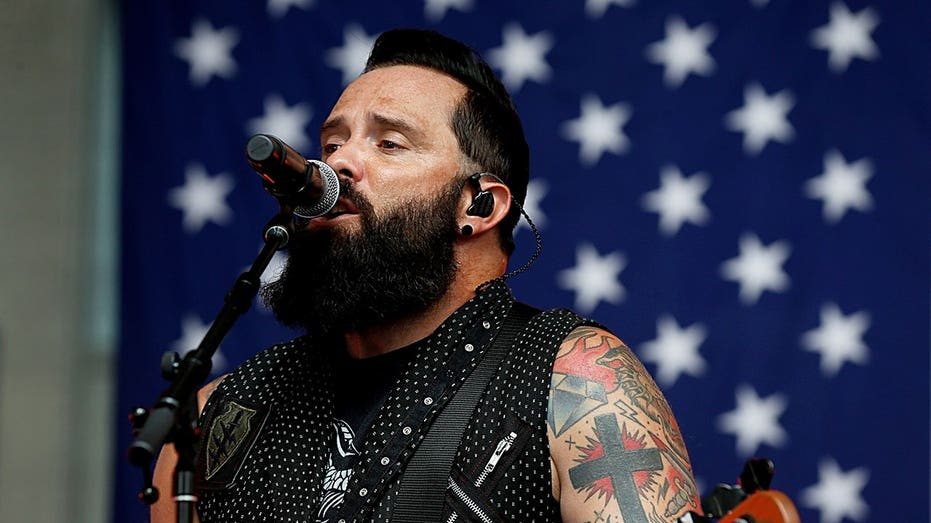
John Cooper, the frontman of the Christian rock band Skillet, is pushing back against believers who describe rock music as inherently demonic, saying such a view misunderstands the gospel itself. In a recent interview, Cooper argued that no musical style carries evil in its sound, and that what matters is the heart posture of the creator and the message of the lyrics.
“Music does not belong to the devil. Music belongs to God and it’s the intentionality,” Cooper said. “It’s the lyrics. It’s what you do with it. It’s not in a sound. It’s in a heart posture. And I would just say to those Christians, you’re not just getting the issue of music wrong, I would say you’re getting the gospel wrong.” Cooper added that he does not believe any style of music “in itself carries some inherent evil,” and that God gave humanity creative expression as a gift.
The comments come as Skillet celebrates a historic milestone. The band’s 2009 hit “Monster” recently became the first song by a Christian rock band to reach 1 billion streams on Spotify, a feat Cooper said “shocked” everyone involved. The band has sold more than 23 million albums and averages 12 million monthly Spotify listeners, with “Monster” surpassing 4 billion global streams across platforms.
Cooper connected the creative process to his faith, noting that Christians believe God created humans in his image, which includes the ability to create something beautiful. “Talk about a God that says, I’m going to give you a very powerful gift and it’s up to you how you choose to use it,” he said. “Man, that is powerful.” He rejected the idea that because rock music “sounds a certain way, it is pagan or something like that. I just can’t be down with that.”
Cooper acknowledged that his own mother believed rock music was satanic. “My mom very much, very much believed that like the loud guitars, anything with a drum beat really was Satanic, was from hell,” he explained. “She believed that Christian rock music was the devil’s tool.” He called his mother, who died when he was 15, “wonderful,” and said he grew up with that mentality, which is why he speaks graciously toward those who hold similar views today.
Demonstrators have occasionally appeared outside Skillet concerts to protest the band as “servants of the devil.” Cooper said he does not engage with them because he knows he cannot change their minds, but he appreciates their sincerity. “They believe that they are loving me, and they believe they’re loving people to warn them of Satan’s tools, and I just got to go, ‘I don’t know, there’s something about that I strangely appreciate, and I know I can’t change their minds and so I don’t try,’” he said.
Reflecting on the enduring appeal of “Monster,” Cooper said he cannot pinpoint whether it is the lyrics or the music that resonates most with listeners. He noted that many teenagers, especially young males, relate to the feeling of being a monster during the emotional turbulence of adolescence. “I think that they like the idea of feeling like a monster. I think it kind of gets their attention and then I think that probably most teenage — especially teenage males, who are getting all that testosterone dump, you know, at 14, 15 are probably finding themselves angry and don’t know why, and then you have kids and you don’t sleep and you really feel like a monster,” he said. “It’s a very, it’s a simple song. There’s not much reason not to like it.”
53