
Memorandum
- From
- Delaney Sawyer via Fortune | FORTUNE
- Date
- Filed
- News·5 min to read
- Re
Zambia to Sign $3.6 Billion U.S. Health Deal Without Data and Specimen-Sharing Clauses
ReZambia to Sign $3.6 Billion U.S. Health Deal Without Data and Specimen-Sharing Clauses
Zambia will sign a revised five-year health agreement with the United States worth $3.6 billion that drops contentious clauses requiring the sharing of patient health data and specimens, Health Minister Roma Chilengi said.
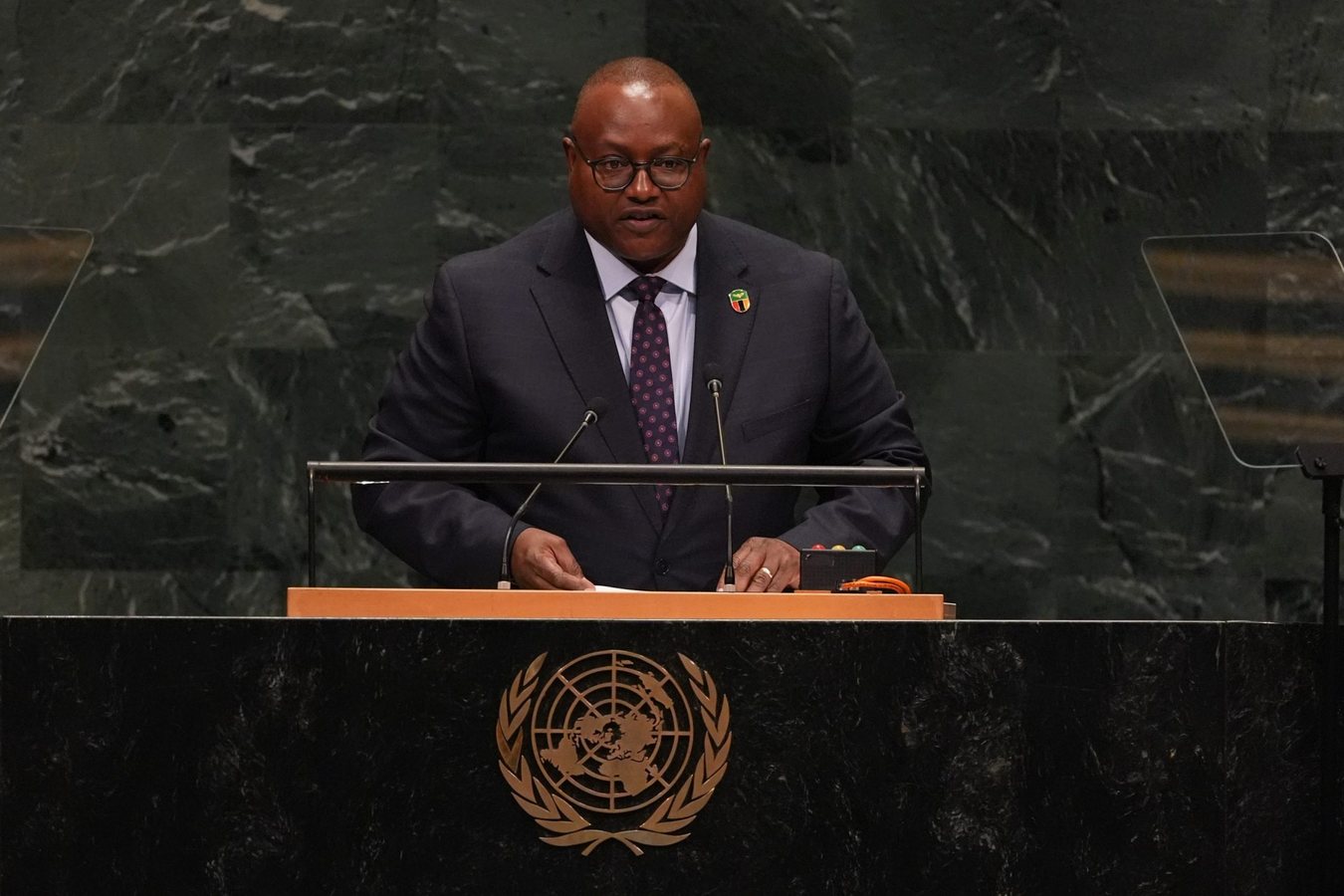
Zambia will sign a revised five-year health agreement with the United States that removes contentious clauses requiring the African nation to share patient health data and specimens with the U.S. government, Zambian Minister of Health Roma Chilengi said at a press briefing.
The deal is worth $3.6 billion in combined funding from both countries for Zambia's health services, Chilengi said. He did not specify how much the U.S. would commit, but told Zambian state broadcaster ZNBC that the U.S. would provide $1.5 billion over five years. The agreement is scheduled to be signed on Thursday.
Chilengi said the revised text no longer includes any reference to specimen-sharing conditions and that clauses committing Zambia to share individual health data had been «completely removed.» He added that «Zambia will not be obliged to share any specimen.» The minister called the U.S. a critical partner and expressed gratitude for the assistance.
The data and specimen-sharing requirements have been among the most controversial elements of a series of bilateral health agreements the U.S. has signed with around two dozen African nations since last year. Under the agreements, countries commit to sending health data and specimens to the U.S. government within five days of a request. The U.S. says it can then share that material with up to 10 American non-government entities to develop diagnostics and medical treatments, though the entities are not specified.
The agreements state that the information will help track and prepare for new and emerging infectious diseases with «epidemic or pandemic potential.» But they do not guarantee that the African nation providing the data would benefit from any medical treatments developed. Countries would receive treatments only «subject to the availability of funds» and «behind the U.S. government's domestic need,» according to the agreements, and would also have to pay for them.
The U.S. has already signed health data and specimen-sharing agreements with at least nine African nations, according to agreements published by the U.S. State Department. The push for bilateral deals follows the Trump administration's dismantling of the U.S. Agency for International Development, once the world's largest humanitarian donor, as part of President Donald Trump's «America First» approach. The new agreements aim to commit African nations to gradually increase spending on health services while the U.S. gradually phases out its assistance.
Some countries have rejected the U.S. terms. In February, Zambia's neighbor Zimbabwe rejected a U.S. health deal partially over the data and specimen-sharing requirements. Zimbabwe government spokesperson Nick Mangwana said at the time that the nation would be providing «the raw materials for scientific discovery without any assurance that the end products would be accessible to our people should a future health crisis emerge.» The U.S. announced it ended all health assistance to Zimbabwe last month.
Namibia also rejected some of these clauses, according to local media reports. The U.S. announced it would phase out funding for Namibia's HIV treatment and prevention program last month, though neither country publicly tied the decision to the disagreement over health data. Ghana has issued a similar rejection. Ghanaian President John Dramani Mahama said last month while in New York for the United Nations General Assembly that the U.S. wanted information about endemic diseases and the country's medical records, but Ghana would have no right to inspect medications or medical products brought into the country. Mahama said Ghana's Cabinet inspected the proposal and it was «thrown out in record time.»
Zambia's revised agreement marks a shift from the earlier U.S. template, which had drawn objections from several African governments concerned about sovereignty over health data and equitable access to any treatments developed from shared specimens. The signing on Thursday will make Zambia one of the latest countries to formalize a health partnership with Washington under the new bilateral framework.
3