Memorandum
- From
- Connor Quincy via Fast Company
- Date
- Filed
- Culture·4 min to read
- Re
FDA Approval of Bemotrizinol Opens Door to Modern Sunscreens in the U.S.
ReFDA Approval of Bemotrizinol Opens Door to Modern Sunscreens in the U.S.
The FDA's approval of bemotrizinol, the first new sunscreen filter in 27 years, is set to transform the U.S. sunscreen market, allowing brands to create lighter, more effective formulas.
The U.S. Food and Drug Administration’s approval of bemotrizinol (BEMT) as a sunscreen filter on June 9 has sparked celebration across the skincare industry, marking the first new sunscreen ingredient to gain FDA approval in 27 years. For beauty brands, this is not just a regulatory milestone but a long-awaited opportunity to modernize sun protection in the world’s largest skincare market.
Bemotrizinol, a broad-spectrum chemical filter, is known for its efficiency at lower concentrations and its ability to create lightweight, invisible sunscreens that avoid the white cast and heavy residue common with many U.S. formulas. Its approval is seen as a game-changer, offering chemists a new tool to formulate high-protection sunscreens that are also cosmetically elegant. “It’s a door crack to what could be, to what the industry could look like,” said Ava Chandler-Matthews, cofounder of Australian brand Ultra Violette. “The U.S. is very far behind in sunscreen innovation, and it’s dealing with outdated technology. The rest of the world is in the future.”
Before BEMT, U.S. sunscreen options were limited to a small roster of filters, many of which require high concentrations and can feel heavy or leave a visible residue. This has led to a social media trend of Americans buying sunscreen abroad, from French pharmacies to Korean and Japanese stores, in search of better textures and higher protection. While U.S. formulas have improved, the limited filter options have constrained innovation.
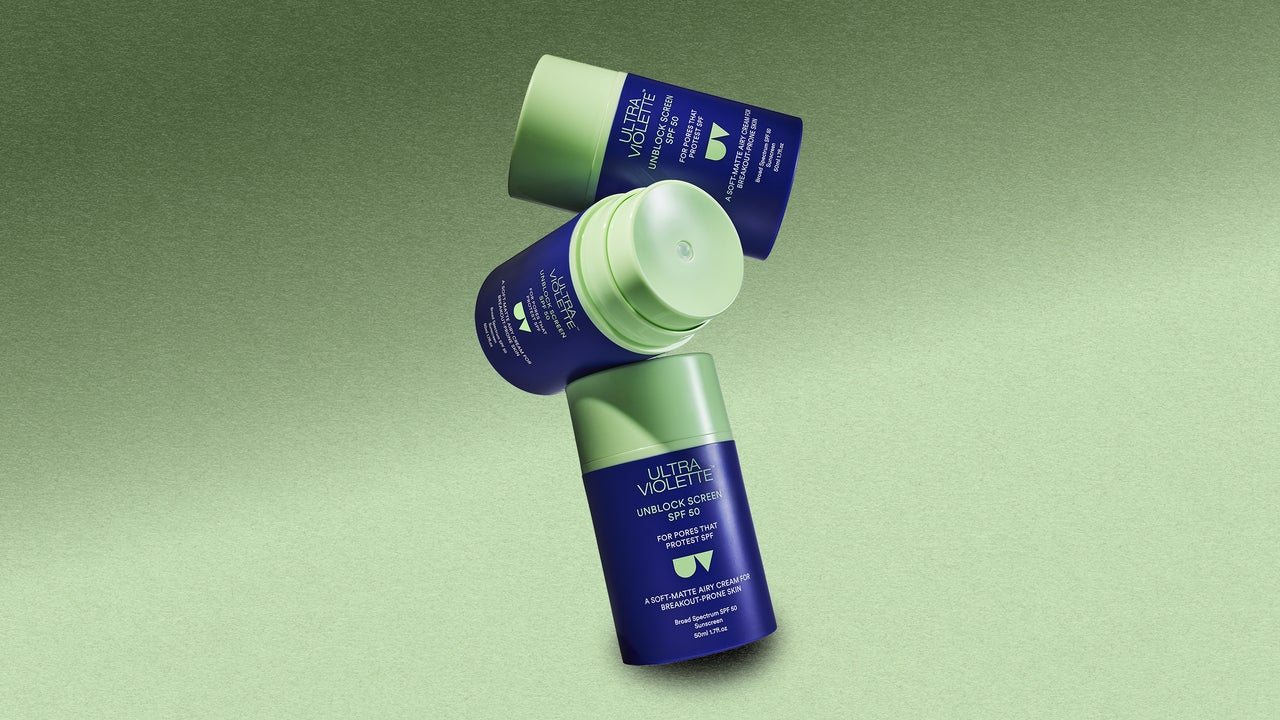
Brands have been preparing for this moment. Ultra Violette, which launched in the U.S. in spring 2025, had been developing two pipelines of product—one with BEMT and one without—in anticipation of approval. “We didn’t actually know if it would happen, but we were betting the house on the fact that it would,” Chandler-Matthews said. The company’s first U.S. BEMT sunscreen, Unblock SPF 50, launches September 1, combining BEMT with zinc oxide and ingredients aimed at breakout-prone skin.
La Roche-Posay, which has extensive experience with BEMT in other markets, plans to launch its debut U.S. formula around Thanksgiving. Neutrogena, owned by Kenvue, has BEMT products coming mid-September. The ingredient’s efficiency is a key advantage: it has a usage limit of 6%, compared to up to 25% for zinc oxide and 15% for homosalate, meaning less chemical load in the final product.
For now, DSM-Firmenich is the exclusive supplier of U.S.-available BEMT for 18 months after the first product hits the market, a reward for the company’s investment in the clinical studies required for FDA approval. After that period, other manufacturers can supply the raw ingredient, which could lead to broader adoption and more innovation.
The approval comes after the Supporting Accessible, Flexible, and Effective (SAFE) Sunscreen Standards Act was signed into law in November 2025, aimed at streamlining the FDA’s review process for sunscreen ingredients. With BEMT approved, momentum may build for additional filters, potentially reshaping the U.S. sunscreen landscape in the coming years.
59