Memorandum
- From
- Caroline Mercer via Fast Company
- Date
- Filed
- Business·4 min to read
- Re
Texas startup Element3 turns Permian Basin oil wastewater into battery lithium
ReTexas startup Element3 turns Permian Basin oil wastewater into battery lithium
Houston-based Element3 is extracting lithium from the brackish wastewater produced during Permian Basin oil drilling, using a Midland facility that opened in February to make battery raw materials.
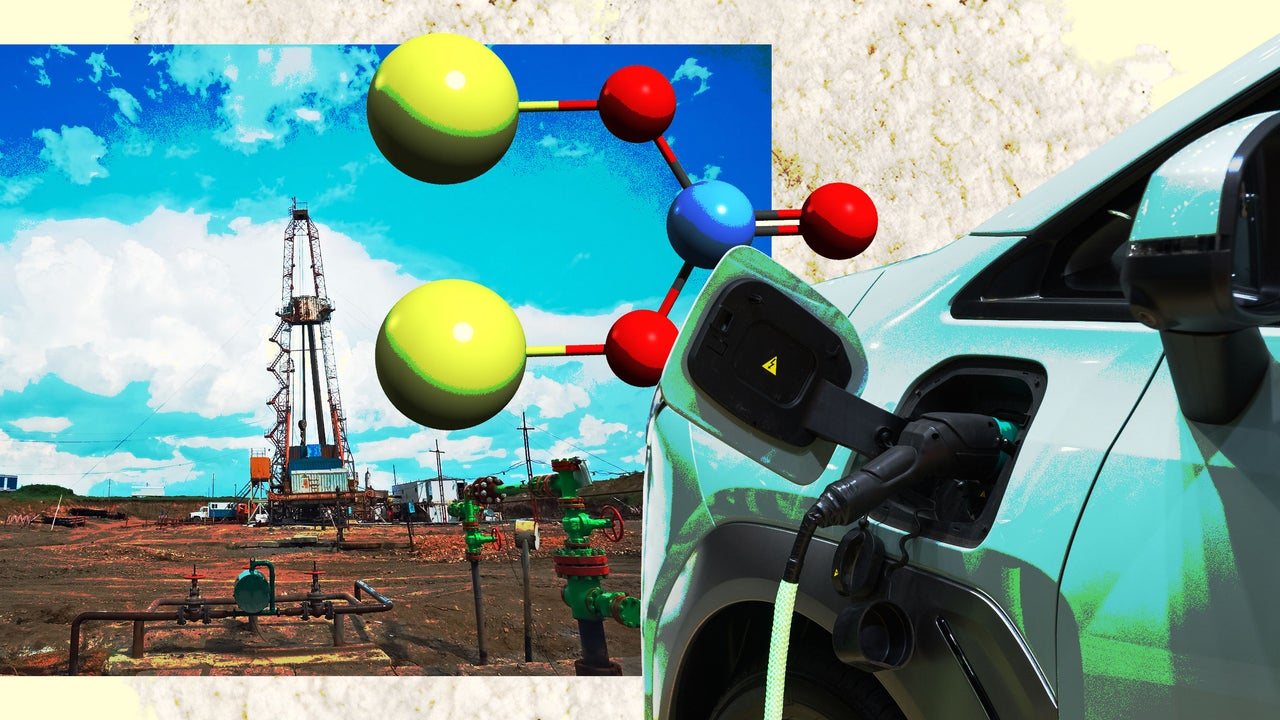
A Houston-based startup is pulling lithium out of the salty wastewater that comes up alongside oil in West Texas and processing it into raw materials for electric vehicle batteries. The company, Element3, says its Midland facility turns a byproduct of petroleum drilling into a domestic source of a mineral that is now mostly processed in China.
Drilling in the Permian Basin, the mineral-rich region of West Texas that supplies much of the nation's crude, brings up roughly 6 million barrels of oil a day. It also unearths about 26 million barrels of water a day, roughly the same daily water use as all of New York City. That water is often black-gray from oil residue and carries a strong odor from underground bacteria. Traditionally treated as waste from energy production, it is concentrated seawater from prehistoric oceans and is rich in minerals.
Element3 found that this wastewater contains lithium, the third element on the periodic table, which is where the company gets its name. Founder and chief executive Hood Whitson described the business as a « wonderful circular economy, waste-to-value story ». The company was founded in 2021 to commercialize research from the U.S. Department of Energy's Oak Ridge National Laboratory on filtering the byproduct, and it is working across Texas to scale up production. According to PitchBook, the firm has raised a little over $20 million and employs 15 people.
The Permian water is about five times as salty as today's oceans and also contains magnesium and strontium. Whitson said energy companies had already built a large pipeline infrastructure to move this water, which is used in fracking. Element3 places its processing plant alongside those pipes, filters the water and returns it to the existing system, so the water does not have to be disposed of or moved separately.
At the Midland site, a 6,000-square-foot commercial extraction facility that opened in February, the company uses a proprietary medium and a specialized direct lithium exchange unit with absorptive materials that capture lithium ions. The process yields lithium chloride, which is then converted through carbonization and electrolysis into lithium carbonate powder and lithium hydroxide, two key battery materials. The facility is the first new lithium extraction plant in the nation since the 1960s and can produce up to 3,000 tons a year. By comparison, the only existing U.S. lithium source, a mine in Silver Springs, Nevada, produces about 5,000 tons annually.
Whitson said the demand case is strong. In 2024, the U.S. imported more than $16 billion worth of lithium-ion batteries from China. He called the Permian water « one of our nation's largest untapped natural resources » and said the project could create good-paying energy jobs. He also argued that, setting aside the fossil fuel extraction already under way, the Element3 extraction process produces lower emissions than the Nevada mine and many foreign processing facilities, including ones in Chile.
Element3 is not alone in seeing value in the water. Iofina has opened a West Texas facility to produce iodine from the same byproduct. Whitson places his company within a broader shift in Texas energy, where oil and gas companies have expanded into wind, solar and geothermal, often drawing on an experienced oil and gas workforce. « We strongly believe in the electrification of everything, » he said, adding that the region can now add a critical materials industry to what West Texas has already built.
4