Memorandum
- From
- Connor Quincy via Forbes - Business
- Date
- Filed
- Business·3 min to read
- Re
U.S. LNG Faces Demand Test as Export Capacity Grows
ReU.S. LNG Faces Demand Test as Export Capacity Grows
U.S. liquefied natural gas export capacity is expanding rapidly, and the main question for the industry is whether global buyers will absorb the new supply.
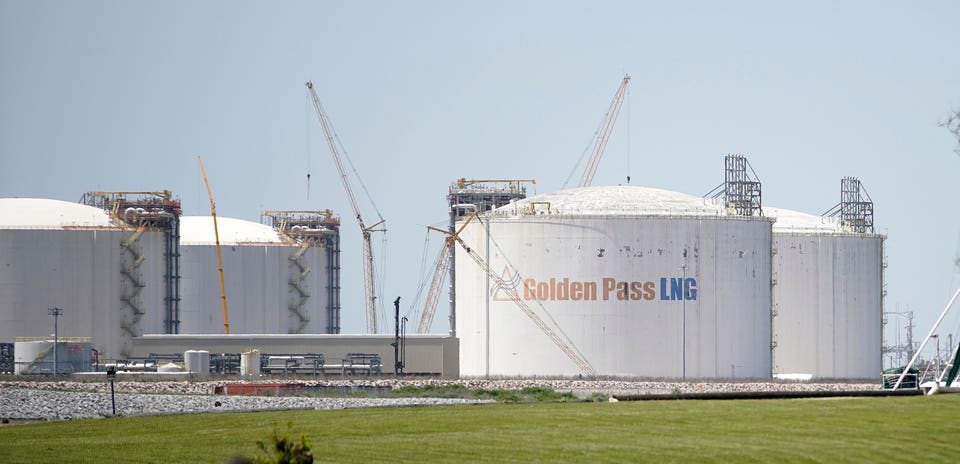
U.S. liquefied natural gas export capacity is climbing quickly, but the industry's next hurdle may not be building enough plants. The bigger question is whether global demand for American LNG can rise fast enough to keep newly built terminals running at full capacity.
The shift matters because LNG has become a central part of the country's energy trade. New export facilities depend on long-term supply contracts and steady purchases from overseas customers. If demand lags behind the pace of construction, terminals could operate below their potential, putting pressure on investment returns and on the companies that have committed large sums to expansion. Such projects typically require years of planning and financing before the first cargo leaves port, which means decisions made today about capacity will shape the market well into the next decade.
The concern is less about whether the United States can produce and liquefy enough gas. The country has built out liquefaction capacity at a rapid pace, and additional projects are moving forward. The open question is whether importers in Europe, Asia and elsewhere will keep signing contracts and taking delivery in volumes that match that growth. Buyers weigh American supply against alternatives, including pipeline gas, domestic production and other LNG suppliers, and they also consider pricing, shipping costs and their own long-term energy plans when deciding how much to commit.
For exporters, the challenge is one of balance. They must convince buyers that American supply is reliable and competitively priced, while also managing the risk of overbuilding. If global appetite for gas grows more slowly than expected, the surplus of liquefaction capacity could weigh on utilization rates and on the economics of projects that were built on optimistic forecasts. Conversely, stronger-than-expected demand in import markets would help validate the investment wave and give developers more room to negotiate favorable terms.
Analysts following the market have pointed to demand growth as the variable most likely to determine whether the current wave of investment pays off over the coming years. Their focus reflects a broader shift in the industry, in which the constraint that once centered on building export infrastructure is giving way to a commercial question about who will buy the gas and at what price.
4