Memorandum
- From
- Derek Weston via GameSpot - All Content
- Date
- Filed
- Culture·5 min to read
- Re
Phantom Blade Zero's combat impresses despite a confusing story
RePhantom Blade Zero's combat impresses despite a confusing story
S-Game's Phantom Blade Zero delivers fluid, cinematic melee combat inspired by Wuxia films, though its convoluted narrative and heavy reliance on background details leave players struggling to follow the plot.
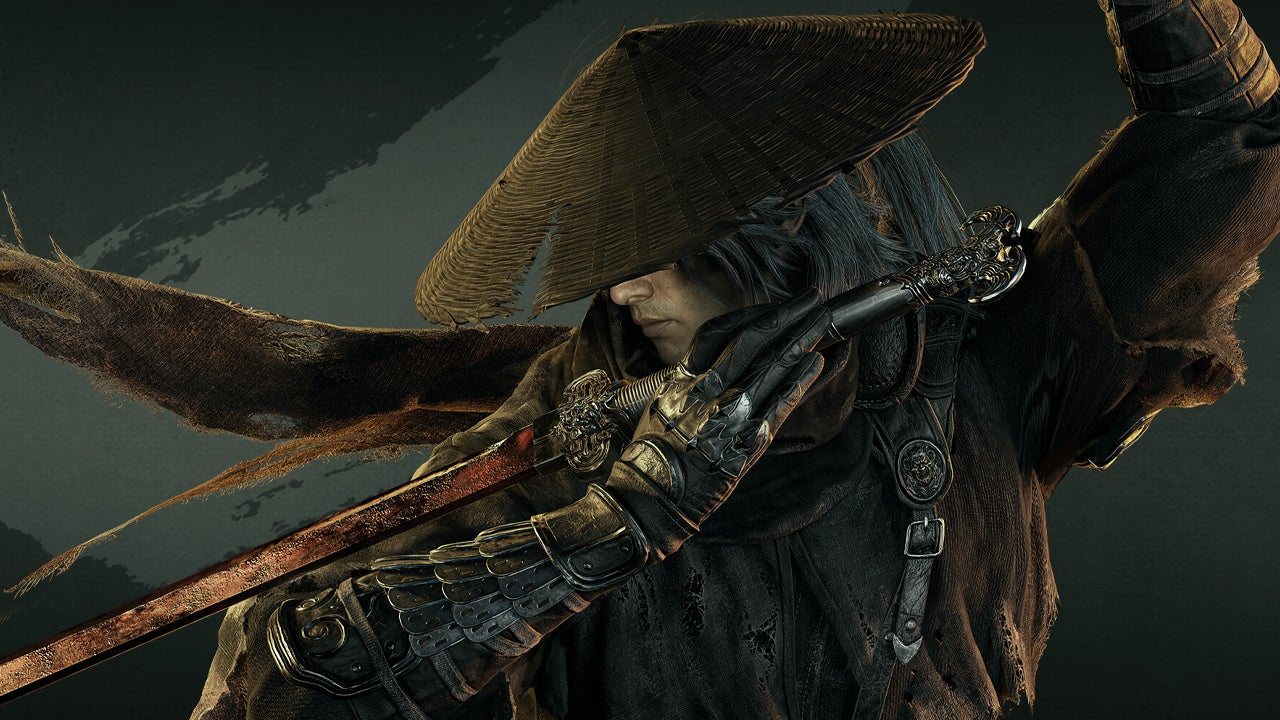
Phantom Blade Zero, the action game from Chinese studio S-Game, lives or dies on its melee combat, and that combat is strong enough to carry much of the experience. Its fights feel like scenes from a Chinese martial-arts film, with moves that defy the usual expectations of third-person action games while remaining grounded in the game's mechanics. The game has issues that keep it from the genre's very best, but its highest moments are exceptional.
The story is a different matter. The protagonist, Soul, is a stoic assassin who dies in the opening moments when a sword pierces his heart. A mysterious figure then offers him a second chance at life by choosing between two artificial hearts. One would keep him alive but strip away his emotions. The other preserves his feelings but gives him only 66 days to live. Soul picks the latter and sets out on a 66-day quest to find a cure, uncover a conspiracy, and prove he was framed for his master's murder. The premise is outlandish, but it is the most straightforward part of the narrative.
Much of the plot unfolds through clandestine conversations, hidden notes, and secondhand information. Multiple organizations, individuals, and malicious schemes are in play, yet the game does little to introduce them, making it hard to track who is who and what is happening. Some threads come into sharper focus near the end, but the reviewer found that clarity arrived too late. Players are effectively dropped into an established world in which even the protagonist knows more than they do, referring to past events and characters the player has never met. Notes and loading-screen tooltips offer partial help, but much of the dialogue remains opaque for long stretches.
There are some effective storytelling choices. Flashbacks to Soul's childhood use hand-drawn watercolor animation, and one sequence explores a character's backstory through traditional Chinese shadow puppetry, known as Piyingxi. Still, the reliance on repeating plot points during loading screens feels like a workaround for weaknesses elsewhere, and the reviewer found it difficult to become invested in the story.
Combat is where Phantom Blade Zero stands apart. The game aims to translate the choreography of Wuxia, a Chinese genre blending martial arts with fantastical elements, into interactive form. Films such as Hero and Crouching Tiger, Hidden Dragon are reference points for fights that are part combat and part dance, with both fighters attacking and defending at once. The game cannot reproduce that choreography exactly without relying on quick-time events, yet it still conveys a sense of free-flowing, cinematic duels.
Players have light and heavy attacks, with combos that alternate between them. Attacks carry no commitment, so the player is never locked into an animation until it finishes. Switching to a block or parry is instantaneous, even mid-combo, and some attacks automatically deflect incoming strikes. This design rejects the call-and-response rhythm common to many action games, though the reviewer notes that boss battles still sometimes require a strict focus on offense or defense. Most encounters flow through speed, aggression, and the way combos and parries connect.
The motion capture is a major source of that fluidity, presenting movements with the smoothness expected of seasoned martial artists, even with the largest weapons. The soundtrack adds to the atmosphere, blending Chinese rap, metal, pop, somber piano pieces, and electronic beats. Beneath the style are systems that add depth. Sha-Chi is the game's stamina mechanic: holding block or using heavy attacks drains the meter, while successful parries deplete an opponent's Sha-Chi, gradually breaking their guard. Blue and red flash attacks are telegraphed moves that must be parried or dodged.
Overall, Phantom Blade Zero's combat is strong enough that many players may overlook its confusing story. Its fights are its clearest achievement, even as its narrative struggles to bring the player along.
6