Memorandum
- From
- Derek Weston via Fortune | FORTUNE
- Date
- Filed
- Business·5 min to read
- Re
Google Bets $15.1 Billion on Finland as Europe's Data Center Hub
ReGoogle Bets $15.1 Billion on Finland as Europe's Data Center Hub
Google announced its largest European investment ever, committing at least €13 billion ($15.1 billion) to AI infrastructure in Finland over two years, joining Microsoft and TikTok in a wave of data center spending that has made the Nordic country a magnet for Big Tech capital.
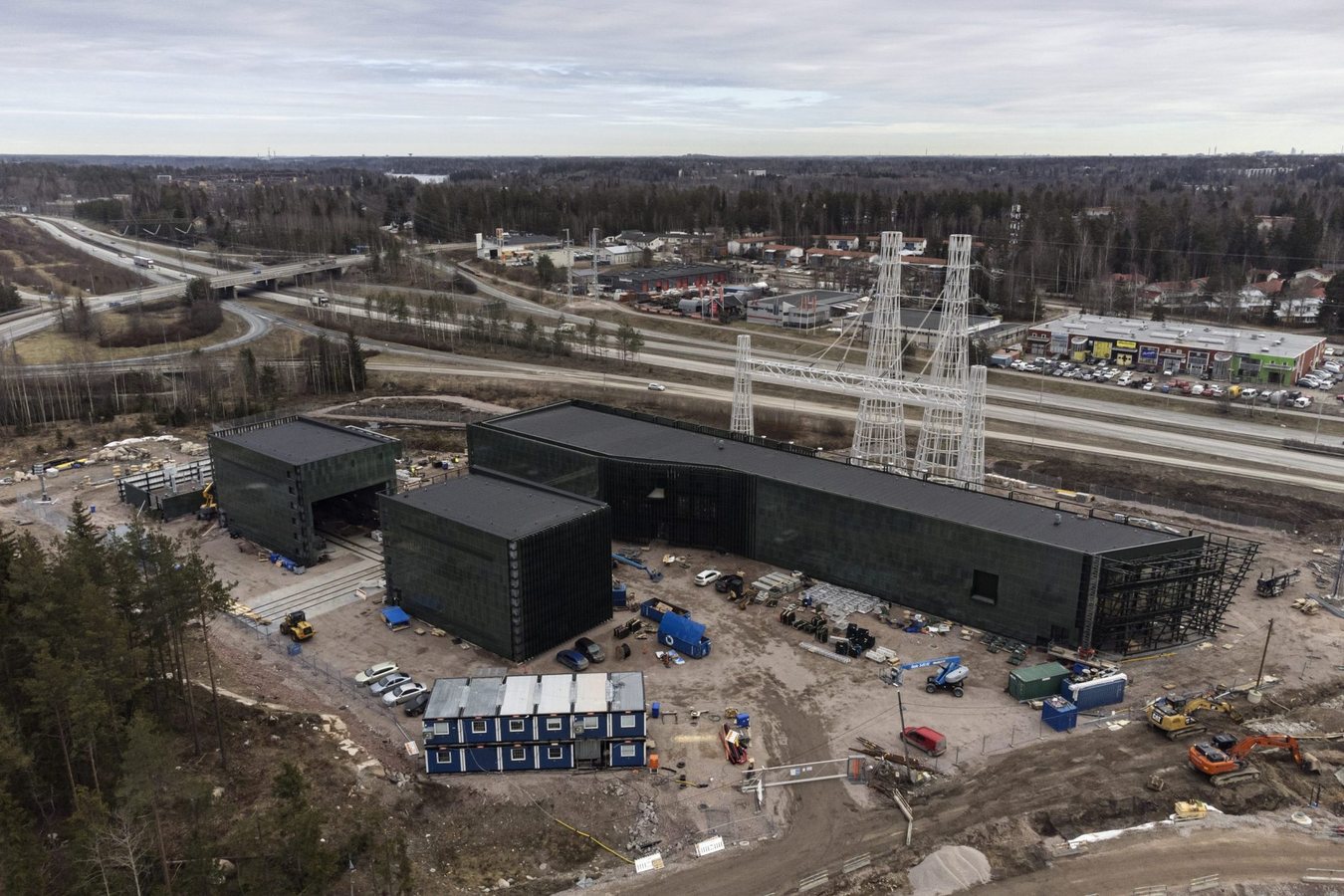
Google will invest at least €13 billion ($15.1 billion) in AI infrastructure across Finland over the next two years, the company announced Wednesday, marking its largest single commitment in Europe and cementing the Nordic country's emergence as a leading destination for data center capital.
The investment will fund data centers and energy infrastructure at four locations in Finland, according to Google, which said it will also spend on grid upgrades and renewable energy projects to support the substantial power demands of its AI operations. The company described the move as a testament to Finland's leadership in responsibly building AI infrastructure and pointed to what it called world-class environmental sustainability standards.
Finnish Prime Minister Petteri Orpo welcomed the decision, saying Finland remains an attractive destination for investment and that attracting further capital is a top priority for his government. Orpo noted that the value of the data economy extends well beyond direct investment, spurring innovation, research and development, and that deepening collaboration with Google would deliver lasting benefits for both sides.
Google is not alone in betting on Finland. TikTok announced a $1.1 billion investment in the country in April, tied to its second Finnish facility in Kouvola. The project forms part of the social media company's broader European data-sovereignty initiative, known as Project Clover, under which it is investing €12 billion ($14 billion) over ten years across Europe for data security. TikTok has said strict access controls and security gateways ensure that employees in China cannot access restricted data, such as phone numbers or IP addresses, stored in its European enclave.
Microsoft has also moved aggressively. In June, the company announced a preliminary agreement to acquire roughly 190 hectares of land on Finland's western coast for potential data center development. Teemu Vidgrén, general manager of Microsoft Finland, said the land acquisition builds on long-term collaboration with local municipalities and authorities and that the company is committed to investing in Finland for the long term. Microsoft is separately developing its first data center region in southern Finland with Azure cloud infrastructure, designed to give Finnish customers locally hosted computing and data-storage capacity. That project, launched in partnership with Finnish utility Fortum, includes a plan to recover waste heat from the data centers and feed it into the local district heating system.
Google's Finnish footprint already includes a major data center in Hamina, where the company converted a former paper mill into a facility that uses seawater from the Gulf of Finland for cooling. Google announced a €1 billion expansion of the Hamina campus in 2024.
Beyond data centers, Google signed an agreement with Fortum to extend the life of a nuclear power plant in Loviisa, part of the company's effort to use nuclear power as a clean energy source for its data center investment. According to the release, the plant would not have been able to continue operations beyond 2030 without the deal. Google estimates that 10% of Finland's electricity supply will remain online and that the agreement will avoid price increases for grid users. The deal includes a 22-year purchase agreement for up to 50% of the energy from one of Finland's nuclear plants.
The combined commitments from Google, Microsoft and TikTok now exceed $30.2 billion, a figure that underscores how quickly Finland has become one of Europe's largest data center magnets. The country is among the continent's fastest-growing AI markets, drawing investment with a combination of abundant renewable energy, a cool climate suited to server cooling, and a grid that has proven capable of supporting large-scale computing.
The spending wave also reflects a broader shift in where AI infrastructure is built. While the United States has long dominated the sector through hubs such as Virginia's «data center alley» and generous tax incentives, European governments are now competing for the same capital, and Finland has positioned itself at the front of that race. For Google, the Finnish commitment represents both a bet on European AI demand and a test of whether the company can pair rapid infrastructure growth with the environmental and community standards it has publicly emphasized.
62