Memorandum
- From
- Connor Quincy via Fortune | FORTUNE
- Date
- Filed
- Business·5 min to read
- Re
OpenAI Adds PIN-Locked Chats to ChatGPT, With a Catch for Forgotten Codes
ReOpenAI Adds PIN-Locked Chats to ChatGPT, With a Catch for Forgotten Codes
OpenAI is rolling out locked chats across ChatGPT plans, letting users hide sensitive conversations behind a four-digit PIN or biometric unlock. Resetting a forgotten PIN permanently deletes those chats, and the feature does not add end-to-end encryption or change how OpenAI retains data.
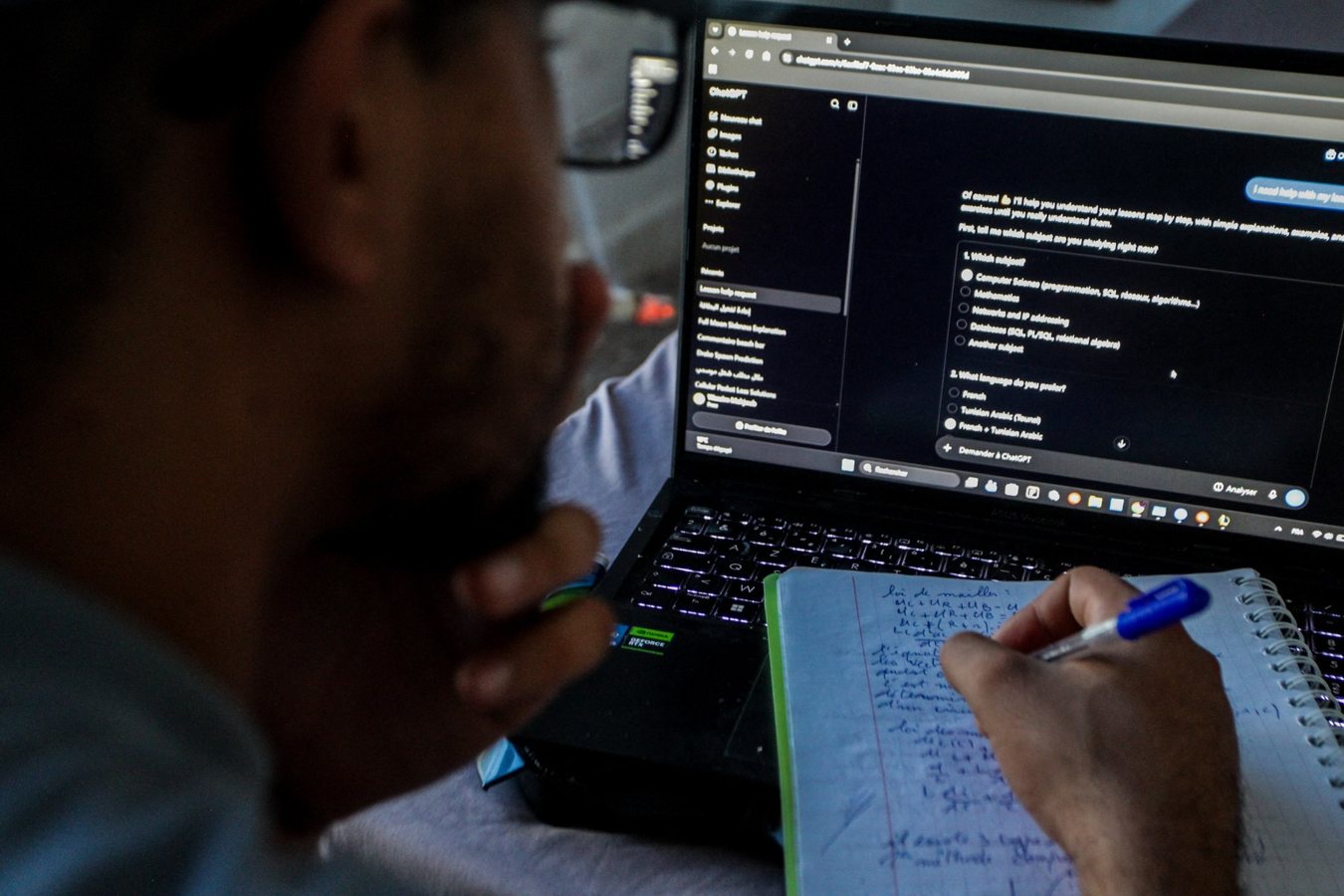
OpenAI has begun rolling out a locked chats feature for ChatGPT that lets users hide sensitive conversations from their regular chat history, pinned chats and search results. The company says the tool is meant to keep private discussions out of view when someone shares a screen or uses a shared device, but it comes with a hard penalty: resetting a forgotten PIN permanently erases every locked conversation.
Locked conversations move to a dedicated area under Projects, then Locked chats, and opening them requires a four-digit account PIN. On supported mobile devices, users can also unlock them with Face ID, Touch ID or the phone's own device unlock method. The feature is being released gradually across ChatGPT Free, Go, Plus, Pro, Business, Enterprise and Edu plans.
The deletion risk is the most consequential detail. According to OpenAI, resetting a forgotten PIN wipes all locked chats, any memories stored only inside those chats, and files or other content protected solely by the old PIN. The company says the deletion cannot be undone and its support team cannot recover the content. Workspace administrators also cannot reset a user's PIN or unlock their chats. Changing a PIN that the user still remembers, by contrast, does not delete anything.
Locking a chat changes where a conversation appears and how it is opened, not how OpenAI handles it. The company says the feature does not create end-to-end encryption or a separate encrypted vault, does not change how long OpenAI retains the chat, and does not alter a user's model-improvement setting. It also does not remove anything ChatGPT remembered before the conversation was locked, and it cannot override workspace policies, safety requirements or legal and compliance obligations. In ChatGPT Enterprise and Edu workspaces, locked chats still appear in conversation logs available through OpenAI's Compliance Platform.
Memory gets partial separation. When Memory is turned on, information from new messages sent after a chat is locked can be remembered for use in other locked chats, but it does not carry over into regular conversations. Files uploaded or created inside a locked chat are hidden from Space, ChatGPT's saved-files area, until the chat is unlocked. Files already saved in Space before being added to the chat remain available there.
Not every conversation qualifies. Temporary chats, archived chats, group chats, chats created from shared links, and chats with scheduled tasks or meeting recordings cannot be locked, among others. Codex conversations and local Work conversations are also excluded, and the feature is not available on ChatGPT for Healthcare. On desktop, users can lock eligible conversations in the new ChatGPT app for macOS or Windows, in either Chat or Work mode. Voice works in locked chats on the web and in the iOS and Android apps where available, but not in the desktop app.
Locking a chat also does not delete an existing shared link. Anyone with that link can still view previously shared content, though new messages sent while the chat is locked will not be added. To revoke access, users must delete the link separately. Shared links have been a privacy sore spot before: last year, OpenAI ended an option that let shared ChatGPT conversations be discovered on Google after user complaints.
The distinction between locked chats and Temporary Chat matters for users trying to control their data. Temporary conversations do not appear in chat history, do not create or update memories, and are not used to improve models while they remain temporary, though OpenAI may keep a copy for up to 30 days for safety purposes. Locked chats, by contrast, remain saved and follow a user's existing model-improvement setting.
The launch lands as AI chatbots become part of daily life and scrutiny of how companies handle personal information grows. OpenAI said at its DevDay event last month that ChatGPT now has 1.2 billion weekly users. The issue is not unique to OpenAI: in July, a trove of users' seemingly private conversations with Anthropic's Claude showed up in Google search results. A Stanford study published in October 2025 examined the privacy policies of six leading U.S. developers — Amazon, Anthropic, Google, Meta, Microsoft and OpenAI — and found that all six appeared to use users' chat data to train and improve their models by default, though practices and opt-out options varied.
3