
Memorandum
- From
- Delaney Sawyer
- Date
- Filed
- Society·4 min to read
- Re
Why a $26 million land offer failed in rural Kentucky
ReWhy a $26 million land offer failed in rural Kentucky
The Huddleston family’s refusal shows how the data-center buildout collides with farmland, local planning and values that cannot be priced per acre.
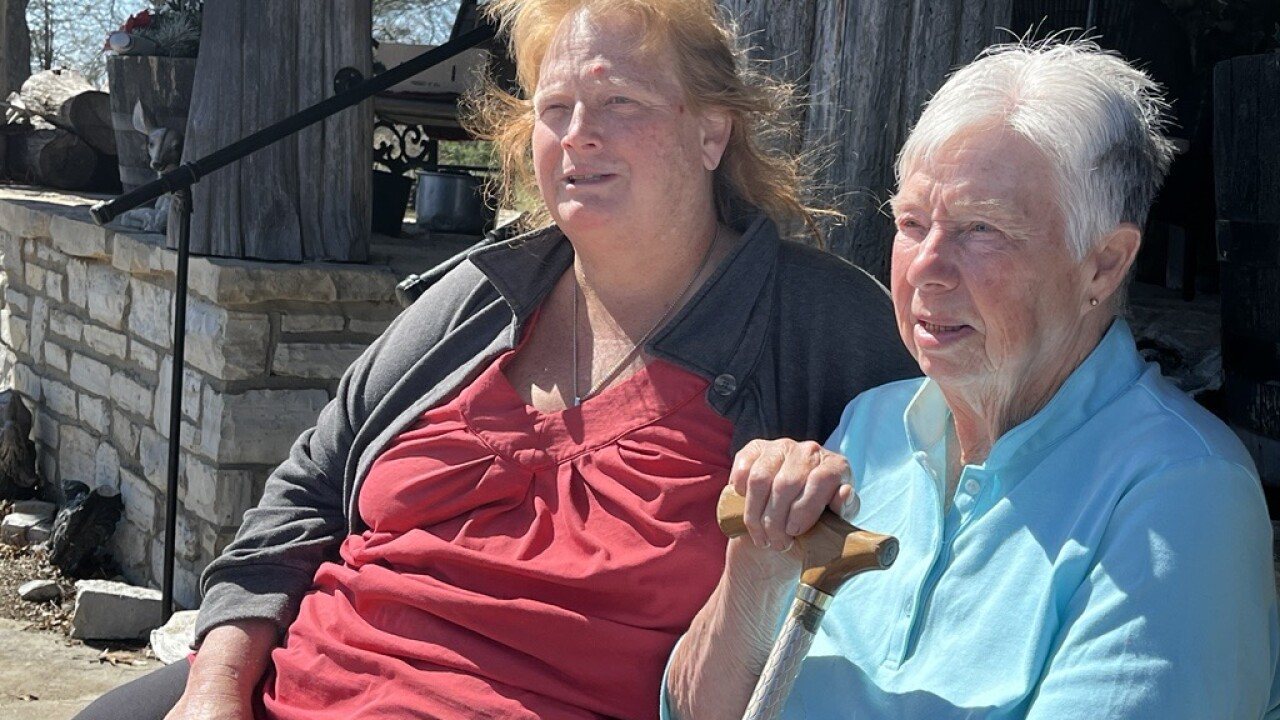
The headline number in Mason County is $26 million. The more useful number may be 534 acres.
That is the combined acreage Ida Huddleston and her daughter Delsia Bare declined to sell for a proposed data center outside Maysville, Kentucky. Huddleston was offered $60,000 per acre for 71 acres; Bare was offered $48,000 per acre for 463 acres. The offers together exceeded $26 million.
Why would anyone reject that? Start with the fact that this was not simply vacant land. The wider family farm is about 1,200 acres, PEOPLE reports, and parts of it have been associated with the family for more than 200 years. It supports livestock, homes and family history. Bare says her ancestors grew wheat during the Great Depression. Her late husband is buried there.
There was also uncertainty about legal power. PEOPLE reported that the women initially signed a sales contract because they were afraid of eminent domain. Their family had previously lost property to public projects. Once a lawyer explained that the private developer could not simply force a sale for the data center, they reversed course. The choice became voluntary again, and their answer changed.
The project then moved around them. On May 22, Mason County approved rezoning for 28 properties totaling about 2,080 acres, converting the land to rural industrial use for the proposed hyperscale campus. The ultimate technology company remained publicly unnamed in July. That means the family preserved its own acreage without preventing a large industrial development from potentially arriving next door.
Supporters and opponents are measuring different benefits and costs. Local officials have said the project could create around 400 permanent jobs and more than 1,500 construction jobs. They also say the developer will cover the infrastructure needed for roads, sewer, water and power. For a rural county, those are significant promises.
The family focuses on farmland, water, electricity and the permanence of changing agricultural land to industrial use. Huddleston's line to PEOPLE — “You can't get food out of a data center” — captures that distinction. Her concern about water is a concern, not an established project impact. Data centers can consume water, especially where cooling towers are used, but the Department of Energy notes that water demand varies with cooling technology and can be reduced by different designs and operating practices.
The larger energy trend helps explain why these disputes are appearing more often. Lawrence Berkeley National Laboratory's June 2026 update estimates U.S. data centers could account for 9.5% to 15.3% of national electricity consumption by 2030. The reference case is 11.8%. That does not tell us the exact load of the Mason County proposal, but it shows why access to land and power has become a strategic constraint for the industry.
Residents organized as We Are Mason County are challenging the local approvals in court. The developer, meanwhile, has zoning that gives the project a path forward and can decide whether to commit.
The story therefore has no clean winner. Huddleston and Bare kept the land. County leaders secured a major rezoning. The developer assembled enough neighboring property to keep planning. The next phase will determine whether those outcomes can coexist — a family farm beside a hyperscale data campus — or whether the legal and political conflict changes the project again.
65

Source: Source: PEOPLE