Memorandum
- From
- Caroline Mercer via fox - Health
- Date
- Filed
- Society·6 min to read
- Re
Study Finds People Living Longer but Spending More Years in Poor Health
ReStudy Finds People Living Longer but Spending More Years in Poor Health
A new global study reveals that while life expectancy has increased worldwide, the number of years people spend in poor health has also risen, with the United States experiencing the widest gap between lifespan and healthy years.
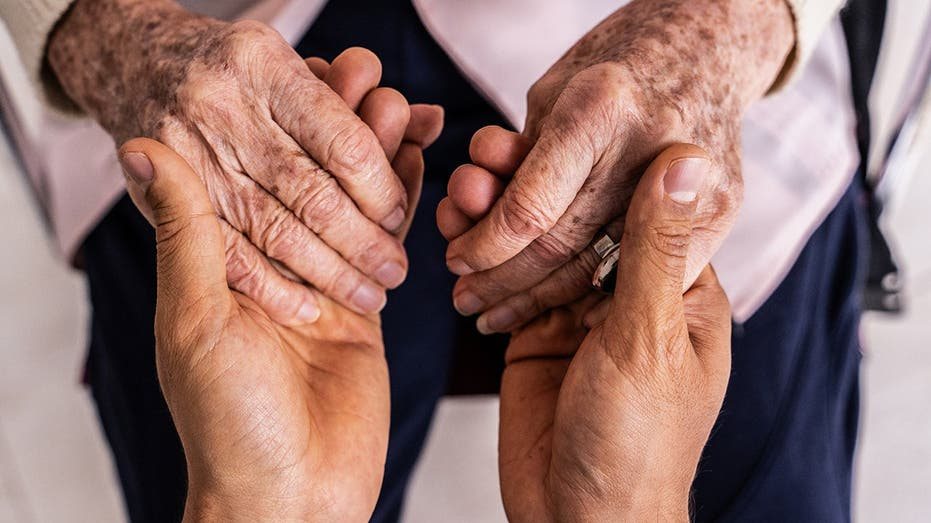
A comprehensive global study published in The Lancet Public Health has found that people across the world are living longer than ever before, but they are also spending a greater proportion of their lives coping with illness and disability. Researchers at the Institute for Health Metrics and Evaluation (IHME) at the University of Washington analyzed data from 204 countries and territories between 1990 and 2023, revealing a widening gap between total life expectancy and healthy life expectancy — a measure known as the morbidity gap.
According to the study, global life expectancy at birth increased from 64.6 years in 1990 to 73.8 years in 2023, while healthy life expectancy rose from 55.9 years to 63.1 years. This means that on average, people are living roughly 10 more years, but only about 7 of those years are spent in good health. In 2023, an average of 14.5% of life was spent in poor health, compared to 13.6% in 1990. The United States recorded the most pronounced morbidity gap, where people spend an average of 14 years, or 17.8% of their expected lifespan, in poor health.
«Because gains in survival consistently outpaced gains in healthy years of life, people are spending more years living with chronic disease and disability,» the researchers stated in a news release. The trend was most evident in wealthier countries, where access to life-extending medical resources has allowed people to survive longer with chronic conditions.
Dr. Antony Chu, a clinical assistant professor at Brown University's Warren Alpert School of Medicine, commented on the findings, noting that modern medicine has become highly effective at preventing death from cardiovascular disease, cancer, trauma, and infectious illnesses. «Yet many of those additional years are now lived with chronic pain, disability, sensory loss, depression or reduced independence,» he said.
The study identified a small number of chronic, largely non-fatal conditions as the primary drivers of the morbidity gap. Musculoskeletal disorders, particularly low back pain; mental health conditions such as depression and anxiety; hearing loss; falls; and other non-communicable diseases accounted for about 57% of all years lived in poor health worldwide. High fasting plasma glucose, obesity, and aging populations were also significant contributing factors.
Women globally tend to live longer than men but also spend more years in poor health, the researchers found. The gap was especially wide in countries with high life expectancies.
The researchers caution that the study points to broad health trends but does not prove causation. Dr. Christopher Murray, director of IHME and senior author of the study, emphasized that future gains in population health will require not only extending lifespan but also improving the quality of those years. «Progress in healthy aging should be measured not only by lifespan, but by healthspan — the number of years spent in good health — with greater investment in prevention, long-term disease management and chronic care,» he said.
Dr. Chu called for a shift in medical priorities toward preserving function and delaying functional decline, rather than simply reacting to disease. He suggested that regular assessments of mobility, muscle strength, balance, hearing, and cognition could become as important as monitoring blood pressure and cholesterol. «Functional decline often begins years before disability becomes obvious, providing an opportunity for earlier intervention,» he noted.
Musculoskeletal health, including progressive resistance training, fall prevention, and maintenance of muscle mass, deserves greater emphasis in preventive medicine, according to Chu. «Preserving mobility may ultimately have as much impact on healthy aging as preventing heart disease,» he said.
Mental health and social connection are another vital component. Chu highlighted that hearing loss, depression, anxiety, and loneliness often reinforce each other, accelerating physical decline while diminishing quality of life. Addressing these conditions early could improve both longevity and independence.
Chu also pointed to cultural factors, noting that in many societies outside the United States, older adults continue to play active, respected roles within multigenerational families, providing purpose and belonging. «By contrast, many older Americans experience increasing social isolation precisely when maintaining meaningful relationships may be most important,» he said. «Healthy aging is not determined solely by biology; it is also shaped by community, purpose and human connection.»
The findings underscore a growing global challenge: as populations age, health systems must adapt to manage chronic diseases over longer periods. The study's authors call for a greater focus on prevention, early intervention, and comprehensive care to compress the morbidity gap and help people live healthier as well as longer lives.
83