
Memorandum
- From
- Derek Weston via FOX News
- Date
- Filed
- Society·4 min to read
- Re
Research Shows Recess Crucial for Child Development, Advocates Call for State Mandates
ReResearch Shows Recess Crucial for Child Development, Advocates Call for State Mandates
Only 12 states require daily recess, but a new policy from the American Academy of Pediatrics and growing research are prompting lawmakers in states like New York to consider mandatory play time as essential for children's cognitive, social, and emotional growth.
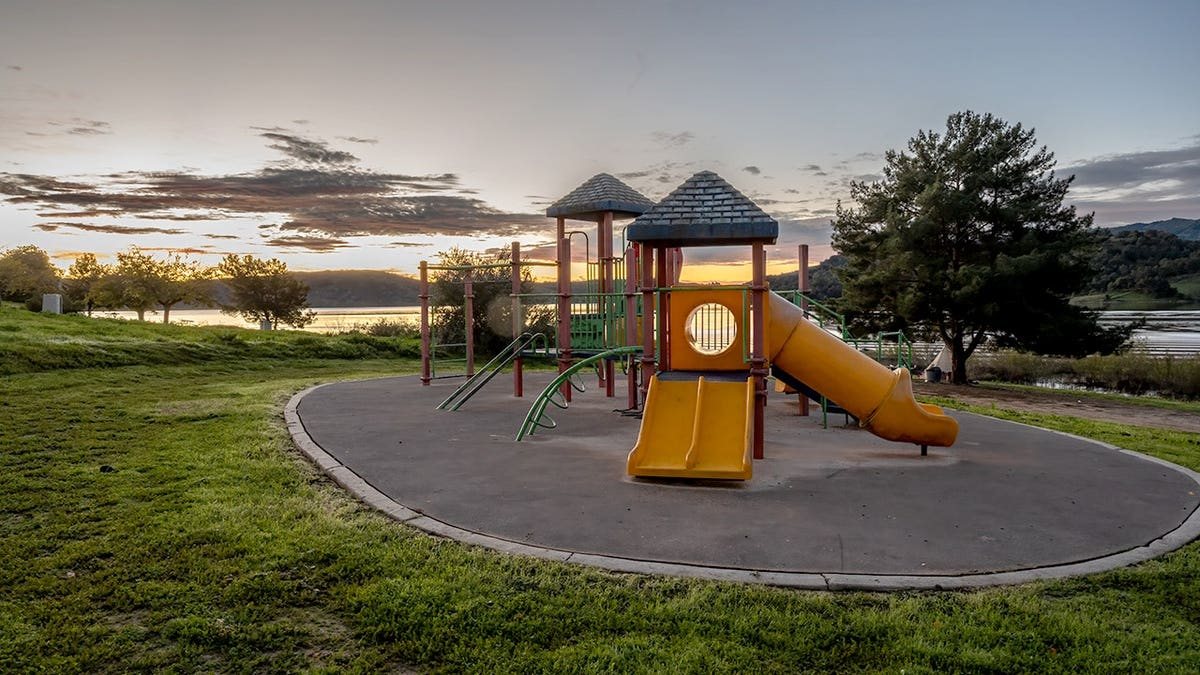
The American Academy of Pediatrics has updated its policy on recess for the first time in a decade, reinforcing that play time is not a break from learning but an integral part of child development. The new statement, released earlier this summer, draws on more than 100 studies showing that recess supports memory, executive function, social skills, mental health, and physical well-being. Despite this evidence, only twelve states currently mandate daily recess in schools, and advocates are urging more states to follow suit.
The updated policy expands significantly on the 2013 version, reflecting an explosion of research over the past ten years. The academy recommends that recess be protected, scheduled regularly, and never withheld as punishment or replaced with additional academic time. Child-directed play, the statement notes, gives students the chance to refresh, manage stress, negotiate disagreements, practice leadership, build friendships, and return to class better able to focus.
Modern neuroscience has caught up with the philosophy of early education reformers such as Horace Mann, who argued that schools should prepare children for democratic life, not just for work. The word «kindergarten» itself—German for «children’s garden»—reflects an understanding that young minds need room to grow and explore. However, since the 1983 report «A Nation at Risk» and the accountability era of No Child Left Behind, schools have increasingly emphasized instructional minutes and standardized test performance, often treating recess as expendable.
Today, the evidence is clear that recess is not simply exercise. It is the only part of the school day designed around child-directed play, and it fosters creativity, collaboration, resilience, curiosity, and empathy. These qualities, experts say, are essential for innovation, civic engagement, and long-term success. Two middle school students recently wrote in an op-ed in the Atlanta Journal-Constitution that recess allows them to «refresh themselves» and manage the pressures of the school day.
Only twelve states—including Florida, Missouri, and Texas—have laws requiring daily recess for elementary students. Several other states, notably New York, are now considering legislative bills that would mandate play time. As the back-to-school season approaches, these bills could gain momentum. The issue also resonates with growing concerns about children’s mental health; rates of depression, anxiety, and isolation have risen sharply, partly due to increased screen time.
Protecting recess is one of the simplest and most cost-free ways to improve children’s health and well-being. The skills children develop on the playground—cooperation, leadership, conflict resolution, and the ability to recover from failure—are the same skills they will need as future architects, engineers, scientists, doctors, diplomats, entrepreneurs, teachers, military leaders, parents, and elected officials. As the nation reflects on its 250th anniversary, the message is clear: the children on today’s playgrounds will shape America’s next quarter-millennium, and investing in their play time is investing in the country’s future.
85