
Memorandum
- From
- Delaney Sawyer via fox - Most Popular
- Date
- Filed
- Society·5 min to read
- Re
Experts urge checking eight places for signs of identity misuse
ReExperts urge checking eight places for signs of identity misuse
Credit reports alone can miss identity fraud, which can surface in phone, utility, medical, tax and benefits records. Here is where to look and what to do.
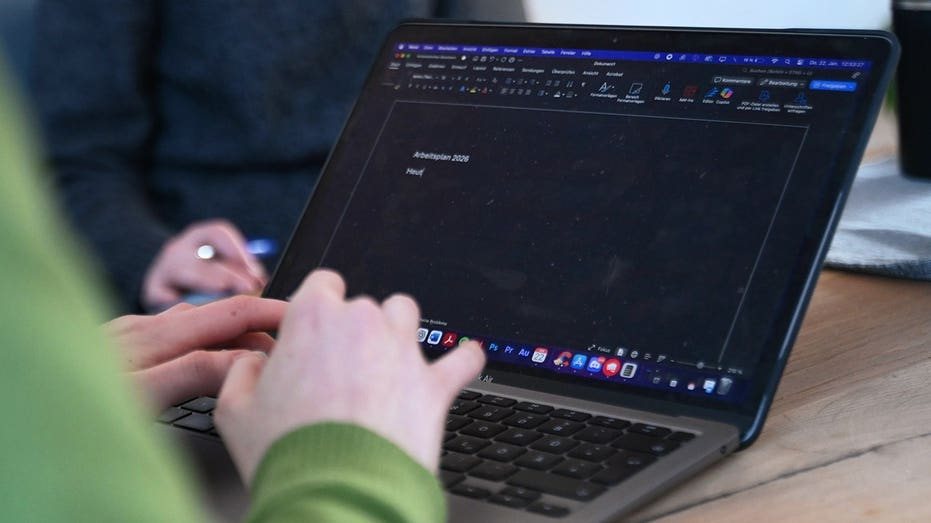
A clean credit report does not rule out identity theft. Fraud can surface in places that a standard credit check never touches, including phone accounts, utility records, medical files and government benefits. Consumers who want a fuller picture are advised to review eight different areas of their financial and personal life, starting with the accounts that would cause the most damage if compromised.
Bank and financial accounts are the logical first stop. Reviewing statements for unknown transactions, new external account links or changed contact information can reveal misuse quickly. Enabling transaction and security alerts at financial institutions adds another layer of protection, so suspicious activity triggers a notice in real time. When contacting a bank about a concern, customers should use the official phone number printed on their card or statement rather than any number included in a suspicious message.
Credit reports remain an important check, but they are only one piece. The three major credit bureaus each provide a free online report, and consumers can access them weekly through. Credit freezes are also free and do not affect credit scores, making them a low-cost way to block new accounts from being opened in a person's name. Buy now, pay later loans, however, may not appear on traditional credit reports, which means a review of those accounts should be done separately.
The phone account is another area where problems can start. Warning signs of a SIM swap, in which a criminal takes control of a victim's number, include unfamiliar devices appearing on an account, unexpected eSIM activations or a sudden loss of service. Carriers offer safeguards such as account PINs and port-out protection, which make it harder for someone to move a number to a different provider without authorization. Because a phone number is often used to receive one-time passcodes, losing control of it can expose other accounts.
Utility accounts can also be opened fraudulently without an immediate effect on a credit report, which makes them easy to overlook. The NCTUE report, which covers some utility and telecommunications accounts, is available free once a year and can help reveal accounts that were opened in a person's name. Checking these records helps catch fraud that might otherwise appear only when a bill arrives at an unfamiliar address.
Medical identity theft presents a different kind of harm. Beyond generating unpaid bills, it can corrupt medical records, which may affect future treatment. Reviewing explanation-of-benefits statements and provider records for services that were never received is one way to spot the problem early. Consumers who find errors should contact their insurer and the provider involved.
Tax and government benefits records are also worth checking. Individuals can review their earnings records with the Internal Revenue Service and the Social Security Administration to confirm that no income is being reported under their name by someone else. The IRS also offers a free six-digit Identity Protection PIN, which prevents a fraudulent tax return from being filed using a person's Social Security number.
Email accounts deserve special attention because they are often the key to everything else. If an attacker gains access to an inbox, they can use password reset emails to take over other accounts. Using authenticator apps or passkeys instead of text message codes where possible strengthens that protection. Consumers who notice unfamiliar names on accounts should also verify before disputing them, since some names may simply belong to a parent company rather than indicate fraud.
Paid identity monitoring services are available for those who want added alerts and restoration assistance, but their features vary widely, and free tools such as bureau reports, bank alerts and credit freezes cover many of the same risks. Taken together, reviewing these eight areas gives a more complete view than a credit report alone. Consumers do not need to complete the entire review in a single day; starting with the highest-damage accounts and working outward is a practical approach.
3

Source: Is someone already using your identity? Check these 8 places