Memorandum
- From
- Derek Weston via Fortune | FORTUNE
- Date
- Filed
- Business·3 min to read
- Re
Airbnb Co-Founders Rented Out Their San Francisco Apartment to Pay Rent
ReAirbnb Co-Founders Rented Out Their San Francisco Apartment to Pay Rent
Brian Chesky and Joe Gebbia founded Airbnb in 2008 in San Francisco after trying to cover their rent with three air mattresses. Today the platform includes over nine million listings worldwide.
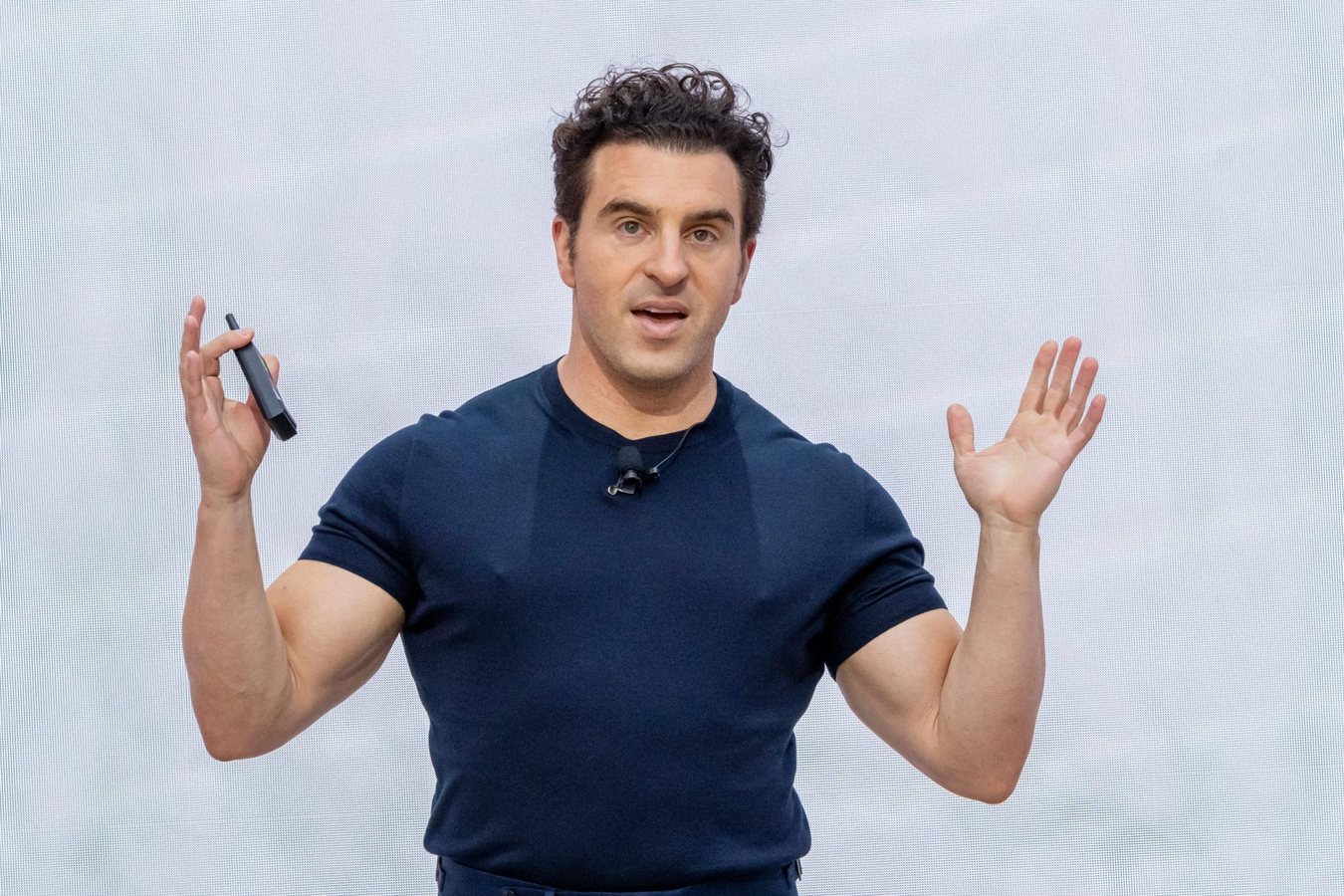
Brian Chesky, co-founder and CEO of Airbnb, started with a beginning that could hardly have been smaller: three air mattresses in his own apartment in San Francisco. In 2008, he and Joe Gebbia came up with the idea of offering travelers a place to sleep in exchange for money in order to pay the rent. From this makeshift solution, one of the best-known companies in the travel industry has emerged.
The path there was anything but straightforward. Chesky comes from a family of social workers in the state of New York. His parents had hoped he would choose a well-paid profession. Instead, he studied at the Rhode Island School of Design, a renowned art school. The idea behind the business arose when the two founders realized they could not afford the rent on their own. The decisive impulse came from an industrial design conference that had booked out the city's hotels in San Francisco. Chesky and Gebbia responded to this demand by offering their apartment as accommodation. Shortly afterward, Nathan Blecharczyk joined as the third co-founder.
Financing was initially difficult. According to Chesky, he spoke with more than 20 investors and sought around 150,000 US dollars. Most of them declined, because they considered designers unsuitable founders. Only when the founders attracted attention with cereal boxes featuring the faces of presidential candidates, a campaign-themed stunt, did interest grow. Paul Graham of the startup accelerator Y Combinator also became aware of the project, and the founding team then gained the attention it needed for further development.
Today, Airbnb reports more than nine million listings worldwide. Its market capitalization is around 112 billion US dollars, which is above its value before the pandemic. During the pandemic, however, the company lost around 80 percent of its business when travel came to a near standstill. That the platform recovered from this shows how strong demand for alternative accommodation has become.
At the same time, regulatory pressure is growing. New York and several European cities have restrictions on short-term rentals, and some cities ban rentals of under 30 days. Housing activists in the United States argue that short-term rentals function like hotels and remove space from the housing market that would otherwise be available to long-term tenants. Airbnb counters that such bans reduce affordable lodging options for travelers and mainly affect hosts who depend on the income.
The company is now responding to these tensions with a change to its rules. A new policy on "reasonable house rules" applies to bookings from November 20. Guests no longer have to strip beds or wash dishes, tasks that were often expected of them until now. Hosts had threatened boycotts and higher cleaning fees, so the new rule could affect their earnings. How they will respond to the change remains open for now.
5