Memorandum
- From
- Connor Quincy via Fortune | FORTUNE
- Date
- Filed
- Society·3 min to read
- Re
Fast-moving wildfires destroy most U.S. structures and could claim up to 449,000 by 2060
ReFast-moving wildfires destroy most U.S. structures and could claim up to 449,000 by 2060
A new study finds that fast-spreading wildfires, a small share of all U.S. blazes, account for most of the homes and buildings lost, and projects losses could roughly triple by mid-century without added action.
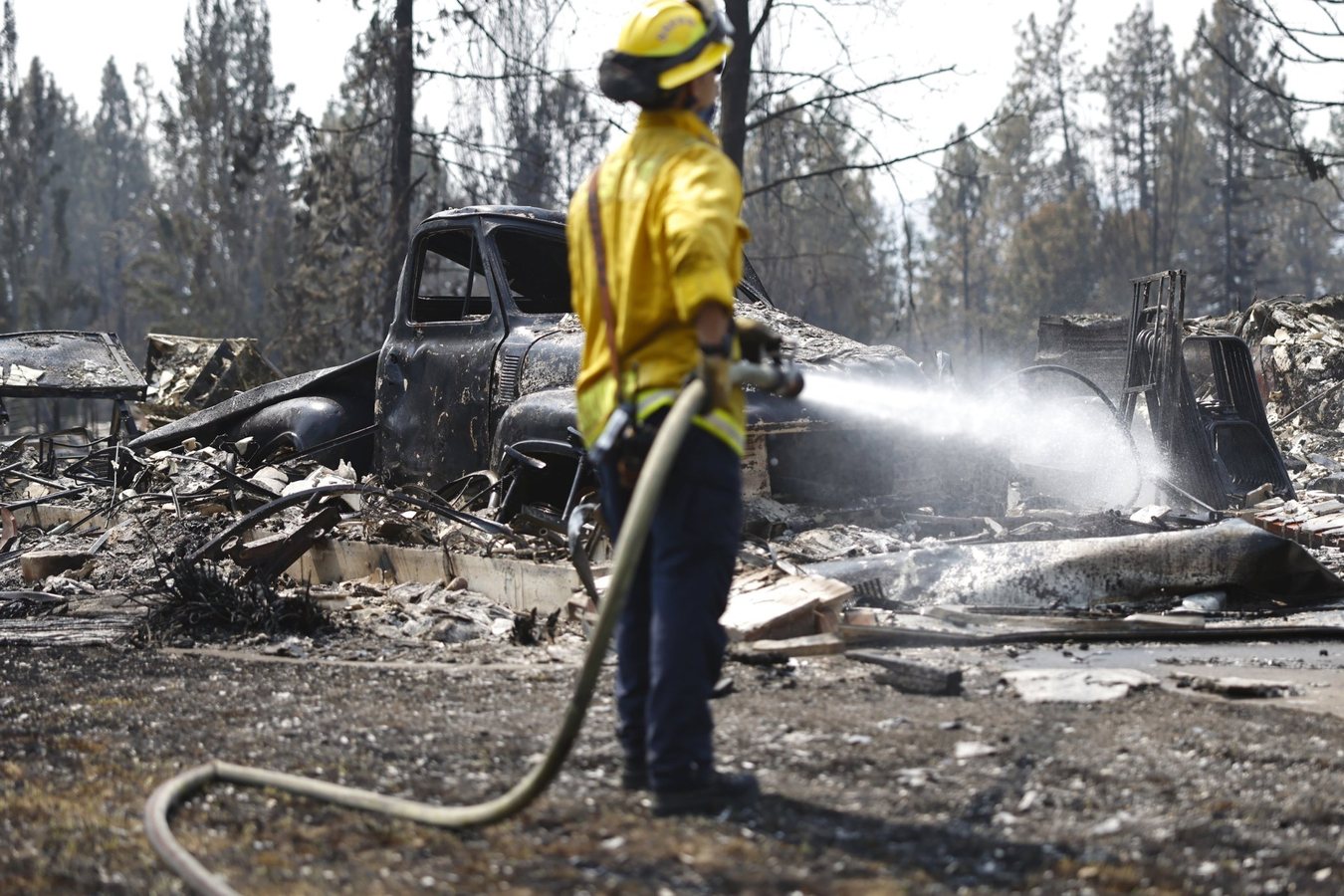
Fast-moving wildfires, which make up a small fraction of blazes in the United States, are responsible for most of the structures destroyed, according to a new study led by Virginia Iglesias and colleagues. The research projects that wildfire-damaged structures could roughly triple by mid-century, with up to 449,000 structures lost between 2026 and 2060 if no additional action is taken.
The study defines fast fires as those spreading more than 4,000 acres per day. Such fires accounted for just 2.7 percent of U.S. wildfires but destroyed 78 percent of the structures lost. The same fires also accounted for 61 percent of reported firefighting costs in data covering 2001 to 2020, underscoring how a small number of extreme events drives much of the damage and expense.
The findings arrive during a difficult 2026 fire season. Snowpack across the West was historically low, snow melted early and record heat dried out vegetation. In Colorado, the Aspen Acres Fire destroyed hundreds of structures in June. In July, four firefighters died in the Knowles Fire near the Colorado-Utah border. In August, wind-driven fires damaged more than 800 homes in Spokane, Washington. By late October, Colorado had burned more than 318,000 acres, nearly double its average for that point in the year.
Nationally, the country spent 48 days at Preparedness Level 5, the highest level of wildfire resource mobilization, compared with a 10-year average of 25 days. Researchers and fire officials have long linked this trend to decades of fire suppression, which allowed dry vegetation to build up in forests. Human-driven warming has also played a major role. Between 1984 and 2015, warming nearly doubled the area of western forest burned, according to the research cited in the reporting.
Development has added to the exposure. Development in the highest-risk regions expanded tenfold between 1945 and 2015. Roughly one-third of high-risk neighborhoods in the West are low-income communities, a detail that points to unequal exposure and fewer resources for protection and recovery.
The study points to mitigation options that are available now. Fire-resistant roofs, ember-resistant vents and clearing flammable debris from around homes can reduce risk at the property level. Prescribed burning and forest thinning can reduce fuels near neighborhoods. Colorado's wildfire-resistant construction code adds an estimated 0.6 to 4.2 percent to building costs, a range that the reporting presents as a relatively modest expense compared with the losses from a single destructive fire.
9