
Memorandum
- From
- Delaney Sawyer via fox - Opinion
- Date
- Filed
- Society·6 min to read
- Re
America's Next 250 Years Begin in the Classroom, Former VP Pence Argues
ReAmerica's Next 250 Years Begin in the Classroom, Former VP Pence Argues
Former Vice President Mike Pence argues that preserving the American experiment requires a renewed focus on education that teaches founding principles, personal responsibility, and civic virtue, warning that many young Americans are losing confidence in free enterprise and the American Dream.
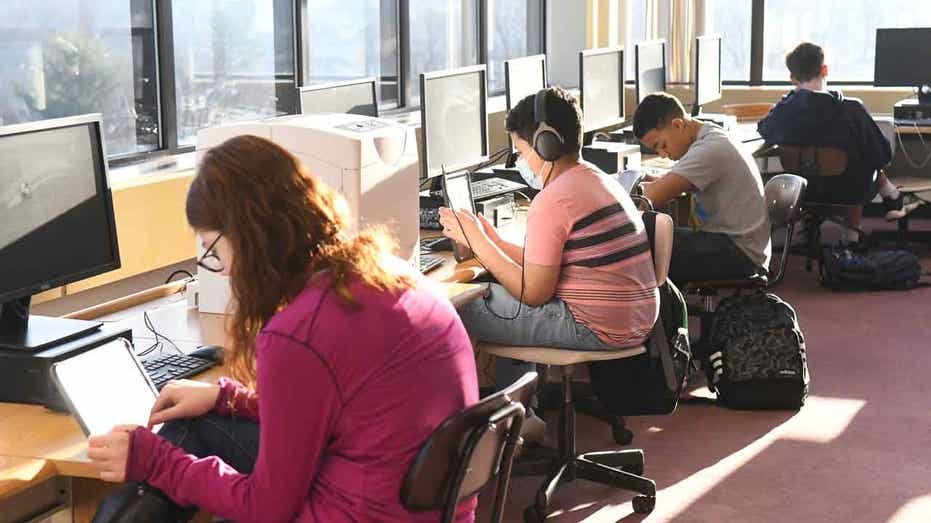
As the United States marks its 250th anniversary, former Vice President Mike Pence is warning that the nation's future depends on a fundamental shift in how young Americans are educated. In a recent commentary, Pence argues that too many students are leaving school without a meaningful understanding of the founding principles that made the American experiment possible, and without the confidence that the American Dream is still within reach.
Pence points to a growing skepticism among young Americans toward capitalism and a rising faith in government solutions. He argues that this shift should concern every American, not because government has no role, but because a free society depends on citizens who understand why liberty, limited government, personal responsibility, and free enterprise have produced more opportunity than any alternative. The former vice president traces much of this change to the classroom, where he says schools increasingly emphasize America's shortcomings while giving comparatively little attention to the extraordinary ideas that transformed the world: constitutional government, individual liberty, free markets, religious freedom, and equal opportunity under the law.
The United States, Pence notes, has lifted more people into prosperity than any other nation, led the world in innovation, charitable giving, volunteerism, and entrepreneurship, and attracted millions who sought the unique promise of the American Dream. Yet he acknowledges that young Americans face legitimate challenges, including unaffordable housing, inflation, significant student debt, and the feeling that starting a family is increasingly unattainable. These pressures, he says, make government solutions sound appealing, but America's strength has never come from creating citizens who depend on government. It has come from educating citizens capable of governing themselves.
Pence illustrates his point with two recent conversations with students. One student spoke exclusively about America's shortfalls and expressed a belief that solutions to life's challenges would come primarily from government, with little discussion of personal responsibility or opportunity. The other, educated in a classical Christian school, spoke of beauty, goodness, and truth, and the conversation centered on purpose, character, faith, and using one's gifts to serve others and strengthen communities. That conversation, Pence says, was grounded not in resentment but in responsibility, not in despair but in hope.
The education challenge, Pence argues, is no longer only about declining reading and math scores, though those should concern every parent. It is also about whether the nation is cultivating young men and women who believe they have both the ability and the responsibility to shape their own futures. Too many young Americans are graduating without the academic preparation to succeed, without a meaningful understanding of the nation's founding principles, and without confidence that the American Dream is still within reach. At the very moment they should be entering adulthood with optimism, many instead feel disillusioned, anxious, and convinced their future depends more on government than on their own initiative, perseverance, and ingenuity.
Pence highlights a policy initiative he believes can help address this crisis: the Education Freedom Tax Credit. Beginning in 2027, Americans can receive a dollar-for-dollar federal tax credit for contributions to qualified scholarship organizations that help students attend the school that best meets their needs. Rather than expanding another federal program, Pence says, this initiative empowers private generosity, strengthens civil society, and gives parents greater freedom to choose the education they believe is best for their children. He describes it as a uniquely American solution that uses voluntary charitable giving to expand educational opportunity rather than placing more decisions in the hands of government.
Across the country, Pence observes, families are seeking schools that not only deliver academic excellence but also cultivate character, civic understanding, personal responsibility, and hope. They want environments that prepare children not merely to earn a living, but to live with purpose and to become thoughtful citizens capable of sustaining a free society. As the nation celebrates its 250th anniversary, Pence argues that the greatest investment should not be in elections every few years, but in educating the next generation academically, morally, and civically.
Freedom, Pence concludes, survives only when each generation chooses to preserve it. The Founders established a nation built not on inherited privilege but on the belief that every person possesses God-given, inalienable rights. That vision transformed the world, and preserving it, he argues, begins in the classroom.
99