
Memorandum
- From
- Caroline Mercer
- Date
- Filed
- Politics·4 min to read
- Re
What Is Holding Up Ukraine’s Patriot Production License
ReWhat Is Holding Up Ukraine’s Patriot Production License
The question is no longer whether Trump promised a license, but what Ukraine will be allowed to build, where it will be built and who will control the PAC-3 seeker technology.
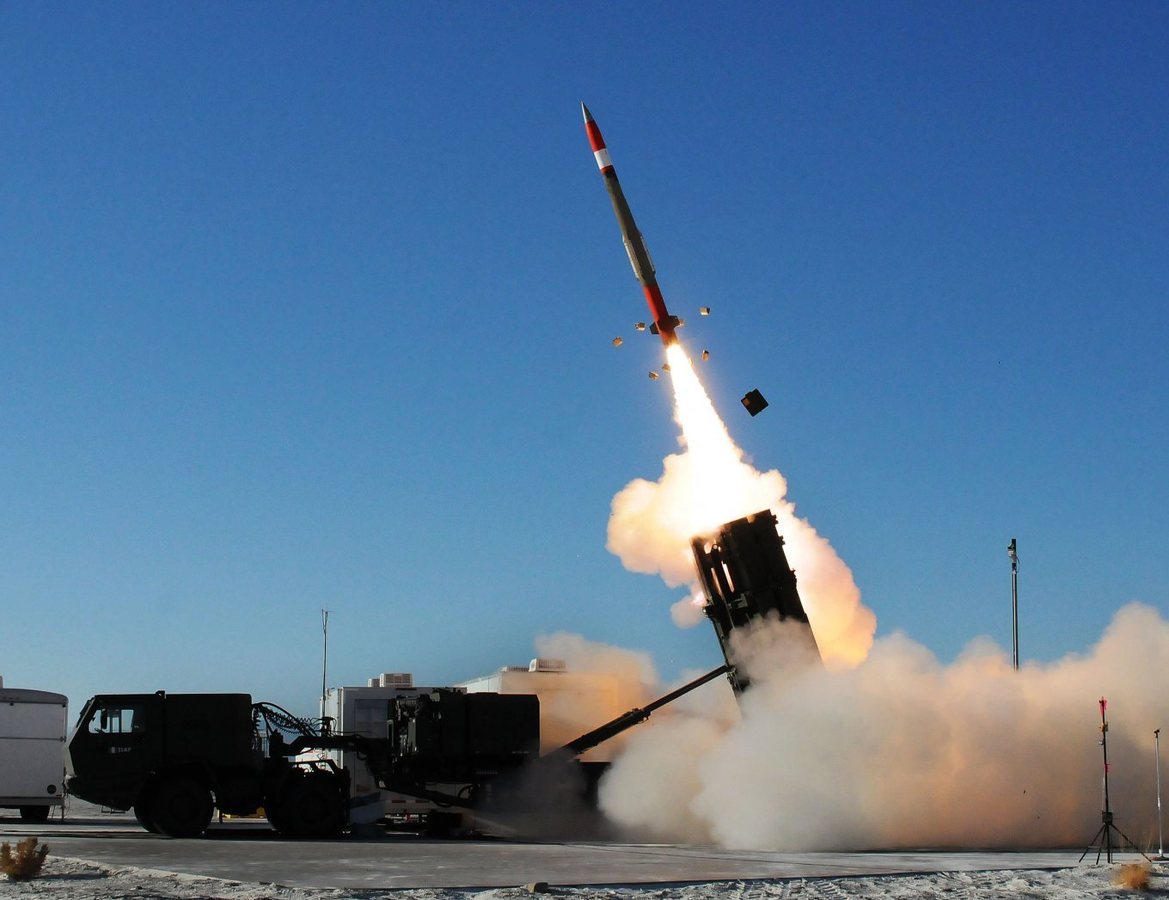
The debate over letting Ukraine produce Patriot interceptors is moving from presidential language to the machinery of export control. President Donald Trump said at the NATO summit in Ankara on July 8 that Ukraine would be given the right to make Patriots. The Telegraph now reports that the administration is divided over a narrower question with enormous consequences: whether a Ukrainian-linked production program can safely receive technology tied to Boeing’s PAC-3 Ka-Band Active Radar Seeker.
That seeker sits near the end of a long manufacturing chain but at the center of the missile’s terminal guidance. Boeing says its PAC-3 seekers identify and track advanced threats and provide guidance data in the final phase of an engagement. The PAC-3 interceptor uses hit-to-kill technology, so it must guide itself with extraordinary precision toward a direct collision with the target.
A manufacturing license can be designed at several levels. The Associated Press reported in July that Trump’s language left open whether Ukraine might assemble imported kits, manufacture selected parts or ultimately produce a larger share of the interceptor. Even the first option would require facilities, trained workers, quality control and secure supply agreements. Ukrainian lawmaker Yehor Chernev estimated that a pilot line could take at least 18 to 24 months even with complete component kits supplied from abroad.
The Telegraph says Washington’s hesitation grows as the license moves closer to the most sensitive components. Drawings, software and production methods would have to be released to specific companies and people. That means every plant, employee and subcontractor with access becomes part of a security architecture. U.S. officials are reportedly concerned that Russia could seek the technology through intelligence operations, cyber intrusion or the capture of equipment in wartime.
One answer under discussion is to separate Ukrainian ownership of the capability from Ukrainian geography. A plant inside Ukraine would likely become a priority Russian target. The Telegraph reports that Germany or another European country is being considered for assembly or manufacturing. Such a location would reduce the risk of a direct strike but would not remove the need for U.S. licensing; it would instead create a multinational industrial arrangement under American technology controls.
Europe already offers pieces of that architecture. Germany is expanding Patriot production through COMLOG, the Raytheon-MBDA Deutschland joint venture, under a 2024 NATO contract covering up to 1,000 GEM-T interceptors. That program matters for European air defense, but GEM-T is a PAC-2-derived missile and should not be confused with full PAC-3 seeker production. Separately, the United States, Germany, the Netherlands, Poland and Sweden agreed in July to explore a dedicated PAC-3 maintenance facility in Europe.
The supply side is also changing. Boeing has a seven-year framework to triple seeker production and says it has invested more than $200 million in Huntsville since 2024. Lockheed Martin is planning to raise PAC-3 MSE capacity from roughly 600 to about 2,000 a year. That expansion could support a model in which the most sensitive U.S.-made modules are exported to a European or Ukrainian-controlled assembly line.
The license therefore remains strategically important even if it does not deliver a fully Ukrainian missile. The next stage will decide the division of labor: which technologies stay in American factories, which manufacturing steps move to Europe, and which skills Ukraine can build for itself. Those choices will determine whether Trump’s promise becomes an independent production base, a controlled assembly program or something between the two.
69

Source: The Telegraph on the U.S. debate over Ukraine’s Patriot license