Memorandum
- From
- Derek Weston via FOX News
- Date
- Filed
- Politics·4 min to read
- Re
Voters Express Economic Discontent as Democrats Eye Midterm Gains
ReVoters Express Economic Discontent as Democrats Eye Midterm Gains
A majority of voters disapprove of President Trump's handling of the economy, with deep concerns over healthcare and housing costs, positioning Democrats for potential gains in the upcoming midterm elections, though the Senate race remains highly competitive.
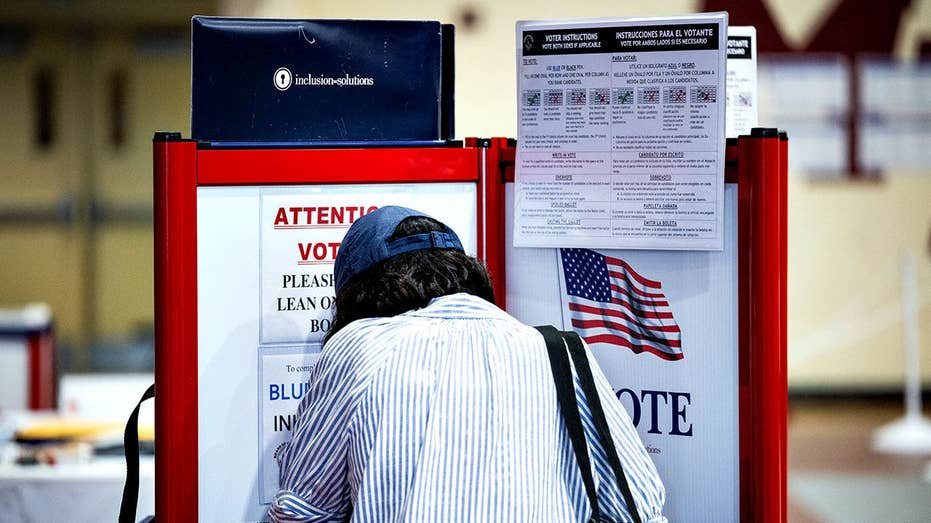
A majority of American voters disapprove of President Trump's handling of the economy, according to recent Fox News surveys, signaling a significant shift in public sentiment since the 2024 election. The president's net approval on economic issues has dropped 13 points to -37 between March last year and June, with similar declines recorded in Washington Post/Ipsos polls. This discontent extends beyond tariffs and gas prices, as most Americans now feel that the country's political and economic systems are stacked against them.
The cost of living remains the most important factor for 46% of voters, but healthcare and housing top the list of specific concerns, cited by 28% and 19% of respondents respectively in a Reuters/Ipsos survey conducted in June. Goods impacted by tariffs and the Iran war, including food and gas, are also among the top five cost worries. Large majorities of Americans say the system is rigged against them, including 72% of middle-class and 86% of working-class adults, figures that have risen by more than 30 points from a decade ago.
As the party out of office, Democrats are well-positioned to capitalize on this economic pain, though voters remain uncertain whether the party offers a clear remedy. While Democrats hold an edge on some measures, the gaps are not large, suggesting that voters are not fully convinced that a Democratic majority will solve their problems. The GOP's redistricting advantages and a favorable Senate map complicate the outlook, creating a midterm electorate that feels blue but may not vote blue.
The Senate race is essentially a coin flip. Assuming Democrats and Republicans win every seat leaning their way, each party would hold 48 seats, with four toss-up races in Alaska, Iowa, Maine, and Ohio determining the majority. Democrats face a steep climb, needing to win three of those four races to reach 51 seats, while also defending competitive seats in Georgia, Michigan, and New Hampshire, and flipping North Carolina. Six of those eight states voted for Trump in 2024, half by double digits, with an average margin of 7.8 points.
Michigan stands out as the most compelling race. Progressive candidate Abdul El-Sayed and moderate Rep. Haley Stevens are vying for the Democratic nomination, with the primary outcome likely shaping the general election strategy. Michigan is rated Lean D, having not elected a Republican to the Senate in 30 years, though the margin of victory has narrowed. Presumptive GOP nominee and former Rep. Mike Rogers is a strong candidate, but his narrow loss in 2024 underscores the challenge even under favorable conditions.
In Iowa, the race is a toss-up. Democratic State Rep. Josh Turek leads Republican Rep. Ashley Hinson by four points in the latest Fox News Poll, though other surveys show a tighter contest. Iowa has leaned Republican since 2016, but voters there appear open to change. Texas remains Likely R, with the GOP winning every Senate race since 1990, though former Democratic Rep. Beto O'Rourke came close in 2024, keeping the state on the radar.
Recent history shows that even when most states must align for a challenger to win, a wave election is not required. Trump won the national vote by 1.5 points in 2024 but swept all seven swing states. A similar dynamic could play out in November, with Democrats winning key races but potentially falling short of a Senate majority. On a good night for Republicans, the reverse could occur, with only a net loss of one seat. The outcome will hinge on whether Democrats can translate voter discontent into electoral success.
79