
Memorandum
- From
- Connor Quincy via fox - Most Popular
- Date
- Filed
- Politics·4 min to read
- Re
Supreme Court Term Ends as Nation Nears 250th Birthday, Highlighting Rule of Law
ReSupreme Court Term Ends as Nation Nears 250th Birthday, Highlighting Rule of Law
The Supreme Court concluded its 2025-2027 term, issuing decisions on key issues including birthright citizenship and transgender sports, as the nation prepares to celebrate its 250th anniversary. The article reflects on the Court's role in upholding the Constitution and the rule of law.
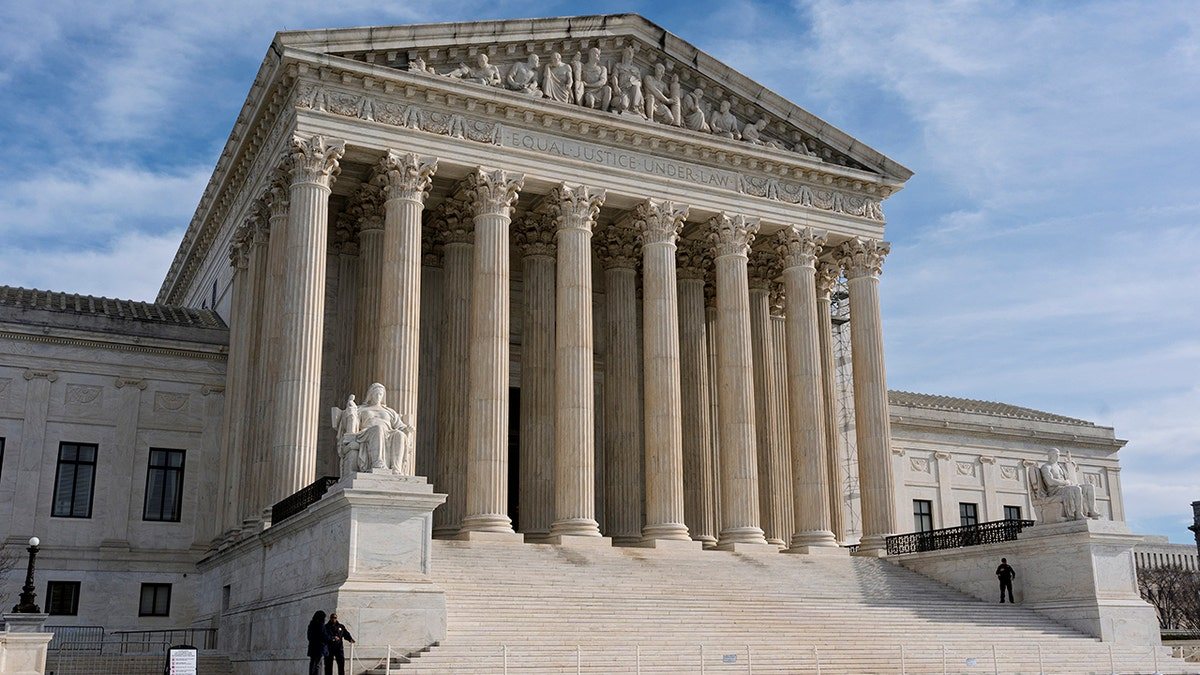
The Supreme Court has wrapped up its 2025-2027 term, with justices preparing to leave Washington for summer engagements that include teaching, lectures, and seminars. This year, however, their break coincides with a milestone celebration: the nation's 250th birthday. The Court, often viewed as a distant institution, is in fact a human one, staffed by Americans of exceptional accomplishment and dedication, and it continues to command respect even amid controversy over its decisions.
During this term, the Court issued seven highly controversial rulings that touched on fundamental aspects of American governance and society. These decisions addressed the status of appointees atop federal administrative agencies, the tenure of Federal Reserve governors, the availability of asylum at the border, First Amendment spending by political parties, state laws prohibiting biological boys from participating in girls' sports, and birthright citizenship. Few observers agreed with the majority in all seven cases, but the Court's role as the ultimate arbiter of constitutional questions remains central to the nation's legal framework.
The Court has not been without its historical failures. On three occasions, it left what are now widely considered terrible stains on American history: the Dred Scott decision, Plessy v. Ferguson, and Korematsu v. United States. All three have been reversed, with current justices expressing shame for their predecessors. These reversals underscore the Court's capacity for self-correction over time, a process that can take decades but ultimately reinforces the rule of law.
As the nation approaches its 250th anniversary, there is reason to reflect on the broader significance of the judicial branch. The Declaration of Independence, as President Abraham Lincoln once described it, is the "apple of gold" at the heart of the country's being, while the Constitution serves as the "frame of silver" protecting its promises of freedom and equality. Every Supreme Court decision, whether praised or criticized, is an effort to polish and strengthen that frame.
Dissenters in each case are often explicit in their arguments, and justices reduce their reasoning to writing for public scrutiny. This transparency is a hallmark of the system, even if many citizens rely on social media for summaries rather than reading the full opinions. The Court's obligation to explain itself to the people it governs is a cornerstone of democratic accountability, ensuring that even the highest court must justify its authority.
The rule of law, often taken for granted because it has been a constant presence in American life, is a remarkable achievement. Only rarely, such as with Roe v. Wade or University of California v. Bakke, has the Court been so tragically wrong as to set back the march of ordered liberty. Yet even those errors have been addressed over time, demonstrating the system's resilience. As tempers flare over current decisions, the enduring value of the Constitution and the Court that interprets it remains a cause for celebration.
87