
Memorandum
- From
- Caroline Mercer via fox - Politics
- Date
- Filed
- Politics·4 min to read
- Re
Senate advances sweeping Russia sanctions package in bipartisan vote
ReSenate advances sweeping Russia sanctions package in bipartisan vote
The U.S. Senate voted 86-12 to advance a sweeping sanctions package targeting Russian oil and gas revenue, named after the late Sen. Lindsey Graham. The bill also includes sanctions on Iran and gives President Trump flexibility. Ukrainian President Zelenskyy attended Graham's funeral and pushed for the measure, while also stating that Putin has lost the initiative in the war.
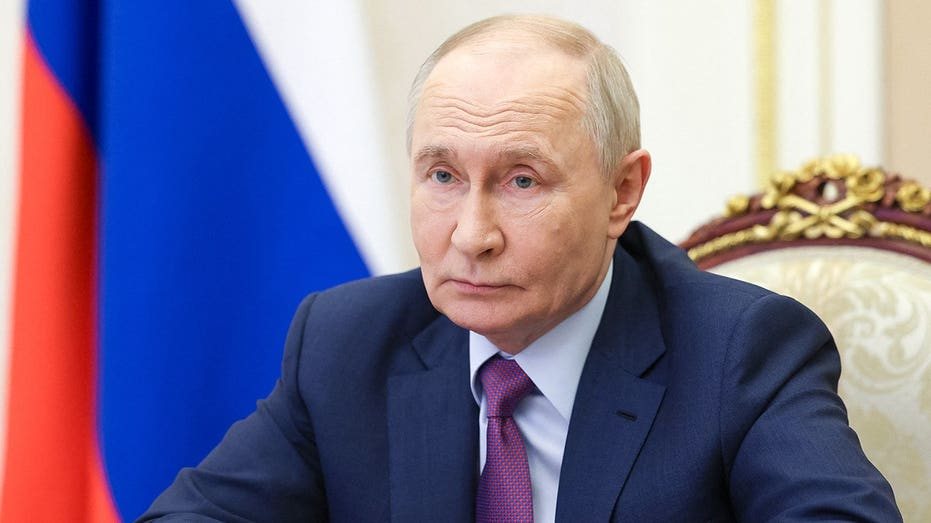
The U.S. Senate took a major step Tuesday toward imposing severe new sanctions on Russia, advancing a bipartisan package designed to cut off the revenue that fuels Moscow's war in Ukraine. The 86-12 vote marked the first procedural hurdle for the legislation, which has been renamed the Lindsey O. Graham Sanctioning Russia and Iran Act in honor of the late South Carolina senator who championed the effort. Senators from both parties described the measure as a crucial tool to pressure Russian President Vladimir Putin without committing American troops.
The sanctions package targets Russia's oil and gas sales, which represent the Kremlin's largest source of revenue. It also extends sanction authority against Iran, hitting Tehran's weapons and energy sectors as negotiators seek a lasting peace in the Middle East. Additionally, the bill imposes up to 500% tariffs on Russian imports and tariffs of up to 100% on countries that buy Russian energy, such as China and India. It includes targeted sanctions against Putin, Russian officials, and military leaders, while granting President Donald Trump flexibility to adjust or lift certain measures.
Sen. Richard Blumenthal, D-Conn., who worked with Graham on the original proposal, said the package is designed to stop purchases of Russian oil and gas that are “fueling Putin's war machine.” He called the vote a step forward in honoring Graham's legacy. Sen. Darline Graham, R-S.C., who took up her brother's cause after his passing, was among the bipartisan group that finalized the deal. Sen. Katie Britt, R-Ala., an early backer, urged the House to take action, saying she hopes the lower chamber will return early from recess to pass the legislation.
Ukrainian President Volodymyr Zelenskyy traveled to Washington to attend Graham's funeral and used the visit to push for the sanctions bill and additional anti-ballistic defenses. After a meeting with President Trump, Zelenskyy said they discussed licenses for Patriot interceptor production and the need to reinvigorate diplomatic efforts. In a separate interview, Zelenskyy told Fox News that Putin has “lost the initiative” in the war, crediting Ukraine's growing military technology sector with changing the battlefield dynamic. He said Ukraine now has 500 companies producing advanced technologies, and the conflict has become an innovation race where strategy must constantly adapt.
The Senate vote also represented a victory for Majority Leader John Thune, R-S.D., who has advanced two major bipartisan bills this summer despite a highly polarized chamber. Observers noted that the legislation sends a clear message to the Kremlin that the United States remains committed to supporting Ukraine. With the House on recess until the end of August, attention now turns to whether the lower chamber will take up the bill swiftly. The sanctions package, if enacted, would represent one of the most aggressive economic measures against Russia since the war began.
90