Memorandum
- From
- Connor Quincy via fox - Politics
- Date
- Filed
- Politics·4 min to read
- Re
Michigan Senate Candidate El-Sayed Calls AIPAC Donations «Legalized Bribery»
ReMichigan Senate Candidate El-Sayed Calls AIPAC Donations «Legalized Bribery»
Michigan Senate candidate Abdul El-Sayed criticized AIPAC donations as «legalized bribery» while remaining silent on similar donations from pro-Palestinian groups, raising questions about consistency in his campaign finance stance.
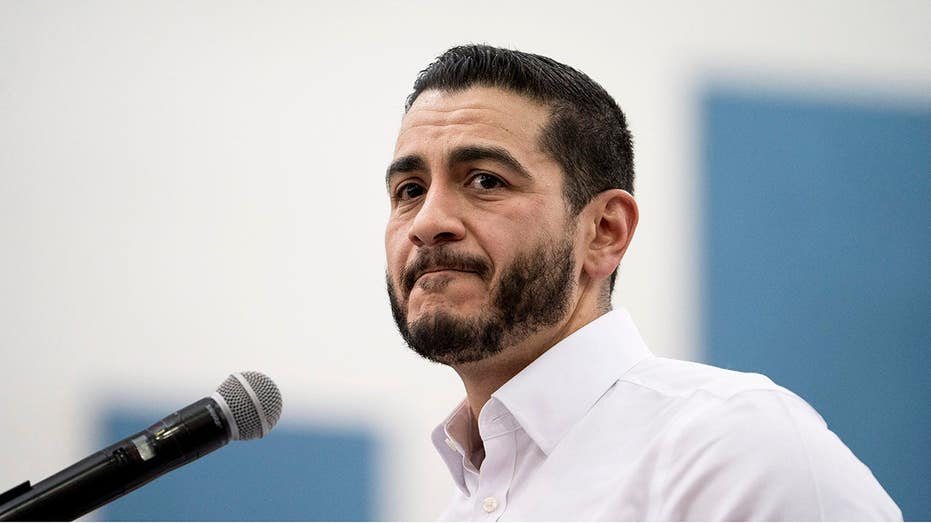
Abdul El-Sayed, a Democratic candidate for the U.S. Senate in Michigan, has ignited a debate over campaign finance and foreign influence by labeling donations from the American Israel Public Affairs Committee (AIPAC) as a form of «legalized bribery.» In a post on X, El-Sayed claimed that AIPAC plans to spend at least $3.8 million against him in the upcoming primary, accusing the group of prioritizing the interests of a foreign country over domestic needs like schools and healthcare. The statement, made less than a month before the primary against Representative Haley Stevens, has drawn scrutiny for its selective application to political action committees.
El-Sayed’s criticism of AIPAC comes amid a broader discussion about the role of foreign policy and lobbying in American elections. He has argued that the Israel lobby has accumulated excessive influence, preventing candidates from questioning the U.S.-Israel alliance or considering conditions on aid. «For too long our foreign policy has been handed to us by the likes of the state of Israel and AIPAC, who has made sure that both Democrats and Republicans are doing their bidding,» El-Sayed said during a debate. However, when asked whether his criticism extends to other groups, such as the Palestinian American Political Action Committee (PAL PAC) or the Arab American PAC, his campaign did not immediately respond.
The Michigan Senate primary has become a battleground for progressive and establishment Democrats, with Israel policy emerging as a central issue. Stevens, who is endorsed by Senate Minority Leader Chuck Schumer, has defended the U.S.-Israel partnership and criticized El-Sayed for questioning it amid the conflict with Hamas. «I can say that Israel has a right to peacefully exist alongside the people of Palestine and Gaza,» Stevens stated during a debate. The race highlights the deepening divisions within the Democratic Party over foreign policy and the influence of interest groups.
El-Sayed’s financial disclosures have also come under scrutiny. While he has criticized AIPAC’s spending, his own campaign finance reports reveal a modest net worth and foreign assets. According to a June 2025 filing, El-Sayed reported a salary of $278,900 from Wayne County and assets totaling between $580,000 and $1.7 million. His wife disclosed holding up to $15,000 in real estate in India, which El-Sayed cited as a reason for delays in releasing his tax returns. «Taxes get complicated,» he said, noting that his wife’s family owns property abroad.
The controversy over El-Sayed’s remarks has broader implications for campaign finance reform and the role of foreign lobbying. Critics argue that singling out AIPAC while remaining silent on other PACs could be seen as inconsistent. The debate also reflects a growing skepticism among some voters about the influence of money in politics, particularly from groups with foreign ties. As the primary approaches, El-Sayed’s stance on AIPAC may galvanize progressive supporters but also risks alienating moderate voters who view the U.S.-Israel alliance as crucial.
Stevens, meanwhile, has positioned herself as a pro-Israel candidate, emphasizing her commitment to the alliance and criticizing El-Sayed for what she calls a divisive approach. The race is seen as a test of whether progressive candidates can challenge establishment figures on foreign policy without facing backlash from powerful lobbying groups. With AIPAC’s significant spending and El-Sayed’s vocal opposition, the Michigan Senate primary has become a microcosm of the larger struggle within the Democratic Party over its direction on Israel and campaign finance.
86