
Memorandum
- From
- Derek Weston via Fast Company
- Date
- Filed
- Politics·4 min to read
- Re
Meta fined 25 billion dollars by New Mexico judge over deceptive privacy statements
ReMeta fined 25 billion dollars by New Mexico judge over deceptive privacy statements
A New Mexico judge ordered Meta to pay a $25 billion penalty over misleading privacy statements, while a separate multistate settlement and the Cambridge Analytica scandal raise questions about how much the company has truly been held to account.
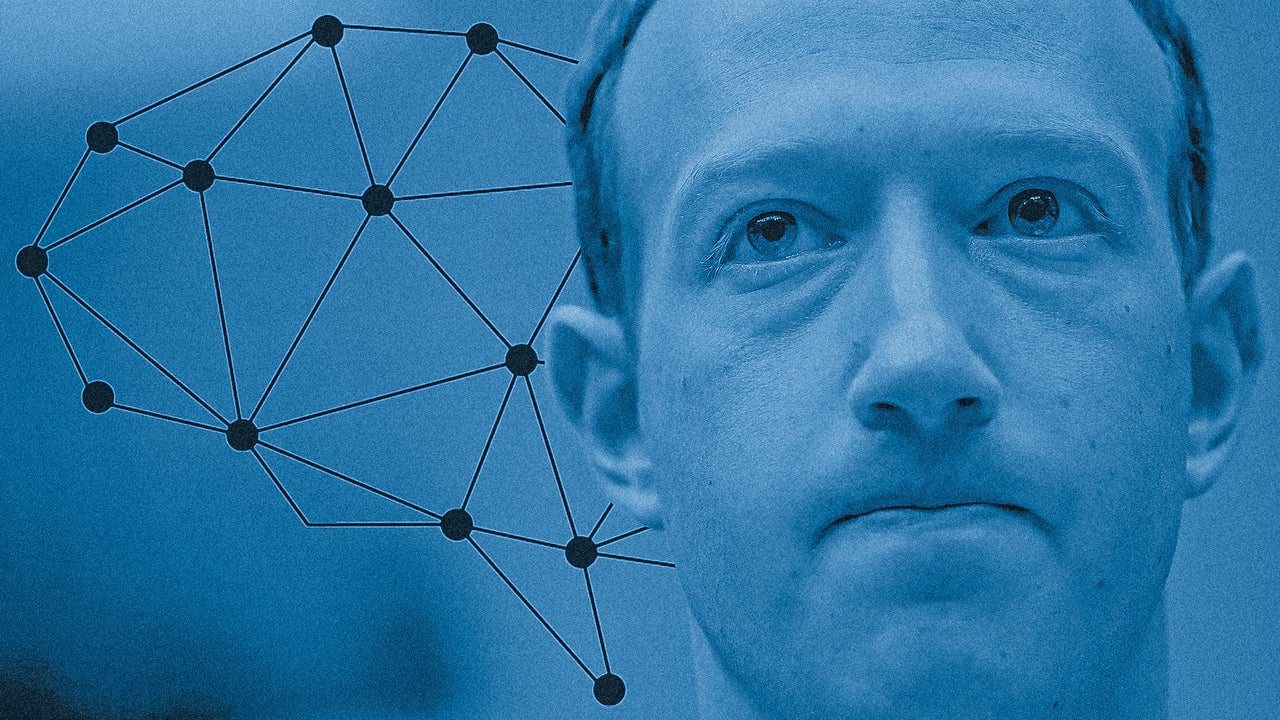
A New Mexico judge has fined Meta $25 billion for deceptive privacy statements, a penalty that centers on what the company told users about how their data was handled rather than on what third parties later did with it. The ruling adds a major chapter to the long aftermath of the Cambridge Analytica scandal, yet a political communication scholar argues that the company has largely escaped full accountability for the harms that followed.
According to the reporting, the penalty is tied to misleading users about data practices. The alleged harms go beyond the mishandling of information. Plaintiffs described the exploitation of psychological vulnerabilities, the targeting of fears, and efforts to discourage voters. The judge found that Facebook knew its app-vetting processes were inadequate, and concluded that thousands of apps misused user data without users being notified.
The Cambridge Analytica affair has shaped the policy debate for years, but the record of what has been established remains incomplete. The Senate Intelligence Committee did not have access to Cambridge Analytica's corporate records, and the United Kingdom's Information Commissioner's Office held seized servers without making a formal information request for them. UK investigations focused on the Brexit referendum rather than on events in the United States.
The reporting also points to the Gloo app, which was marketed to churches and used psychographic profiling derived from Cambridge Analytica data. Its inclusion illustrates how the misuse extended into communities far removed from the political campaigns that first drew public attention to the scandal.
Meta has said it will appeal the New Mexico ruling and has described the case as a tax on speech. The company has not addressed its own role in the violations, according to the notes, a gap that critics say leaves central questions unanswered.
A separate multistate settlement announced in August 2026 involves about $17 billion and covers 47 states, the District of Columbia, and U.S. territories. It includes $459.3 million for Cambridge Analytica-related state claims and releases unknown and unaccrued claims. New Mexico did not join that deal, and Attorney General Raúl Torrez is continuing the state's litigation.
The settlement follows earlier resolutions, including a 2019 FTC order that carried a $5 billion penalty and a 2022 class action settlement. Former FTC Commissioner Chopra has called for regulators to weigh Facebook's unjust enrichment in assessing such cases. That question remains open, as does what the company gained from enabling the abuses, and the harms caused by other apps have not been fully assessed.
The episode also highlights a broader gap. The United States still lacks comprehensive federal privacy legislation, which leaves enforcement dependent on state attorneys general, the FTC, and private litigation. Whether the New Mexico penalty survives appeal, and whether it leads to fuller accounting of the harms, will shape how that patchwork of accountability functions.
1

Source: Meta paid billions, but largely escaped accountability for Cambridge Analytica. Here’s why