Memorandum
- From
- Connor Quincy via fox - Opinion
- Date
- Filed
- Politics·5 min to read
- Re
Josh Shapiro Joins Democratic Push for Supreme Court Reform
ReJosh Shapiro Joins Democratic Push for Supreme Court Reform
Pennsylvania Governor Josh Shapiro has called for radical reform of the Supreme Court, aligning with progressive Democrats who advocate for court packing, a move that critics argue undermines judicial independence and the constitutional balance of power.
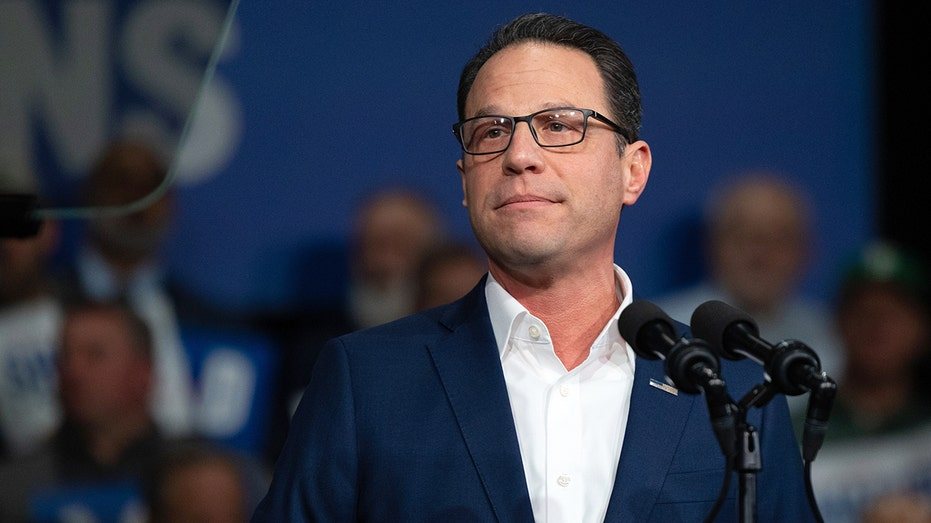
Pennsylvania Governor Josh Shapiro has thrown his support behind calls for sweeping changes to the Supreme Court, a move that critics say marks a surrender to the most radical elements within the Democratic Party. In an appearance on MSNBC's "Morning Joe," Shapiro used the coded language of "radical reform" to endorse what many interpret as a push to pack the court with additional justices, aiming to secure a liberal majority and reverse recent conservative-leaning rulings.
Shapiro's comments place him alongside other prominent Democrats, including Vice President Kamala Harris, Transportation Secretary Pete Buttigieg, and Senator Elizabeth Warren, who have all embraced the idea of expanding the Supreme Court. The governor argued that the current structure fails to represent the voices of the people, stating, "I think we need radical reform that's actually going to ensure that the voices of the people are heard from, that the voices of the people are represented in the three branches of government. We don't have that right now."
Critics, however, contend that the Supreme Court was never designed to reflect public opinion. Legal scholar Jonathan Turley, writing for Fox News, described the court as a "counter-majoritarian check" intended to protect minority interests and maintain constitutional limits against popular impulses. Turley compared Shapiro's stance to the character Terry Malloy from the film "On the Waterfront," lamenting that the governor "could have been a contender" but instead chose to join what he called the "ignoble ranks" of court packers.
The push for court expansion has been building for years. Former Obama Attorney General Eric Holder has made it a central goal, stating, "We're talking about the acquisition and the use of power if there is a Democratic trifecta in 2028." Political strategist James Carville has been even more blunt, advocating for expanding the court to 13 justices without public debate. Harvard professor Michael Klarman has outlined a radical agenda to ensure Republicans "will never win another election," warning that the Supreme Court could block such changes unless it is packed first.
Shapiro's call for reform comes despite the current court's repeated rulings against the Trump administration, including a recent decision upholding birthright citizenship. The governor criticized the court for not deciding that case quickly enough, saying, "This case should have taken a nanosecond to decide and it should have been 9-0." Turley noted that the court has drawn sharp rebukes from President Trump for curtailing executive powers, undermining claims that the judiciary is biased in favor of the administration.
The debate over court packing has intensified as the nation approaches the 250th anniversary of its founding. Supporters argue that the court has become too politicized and that expansion is necessary to restore balance. Opponents warn that such a move would destroy the institution's independence and destabilize the constitutional system. Most voters still oppose court packing, according to polls, but proponents hope to build public anger to the point where structural changes become politically feasible.
Shapiro's decision to align with the progressive wing of his party is seen by some as a strategic move to bolster his national standing after being reportedly passed over as a vice presidential candidate due to his Jewish faith. However, critics argue that it represents a failure of leadership, as the governor could have offered a moderate alternative to the rising socialist and radical movements within the Democratic Party. Instead, they say, he has chosen to join the mob rather than stand against it.
The controversy highlights the deep divisions within the Democratic Party over the future of the judiciary. While some lawmakers have openly called for expanding the court, others, like House Minority Leader Hakeem Jeffries, have used vague terms like "radical changes" without explicitly endorsing packing. Shapiro's embrace of the same language suggests a coordinated effort to condition voters for sweeping reforms that could fundamentally alter the balance of power in Washington.
93