Memorandum
- From
- Delaney Sawyer
- Date
- Filed
- Politics·5 min to read
- Re
House Votes Again to Restrict Trump’s War Powers Over Iran Conflict
ReHouse Votes Again to Restrict Trump’s War Powers Over Iran Conflict
The U.S. House of Representatives has passed a resolution limiting President Trump’s authority to engage in military action against Iran, with four Republicans joining Democrats in the latest rebuke of the administration’s handling of the conflict.
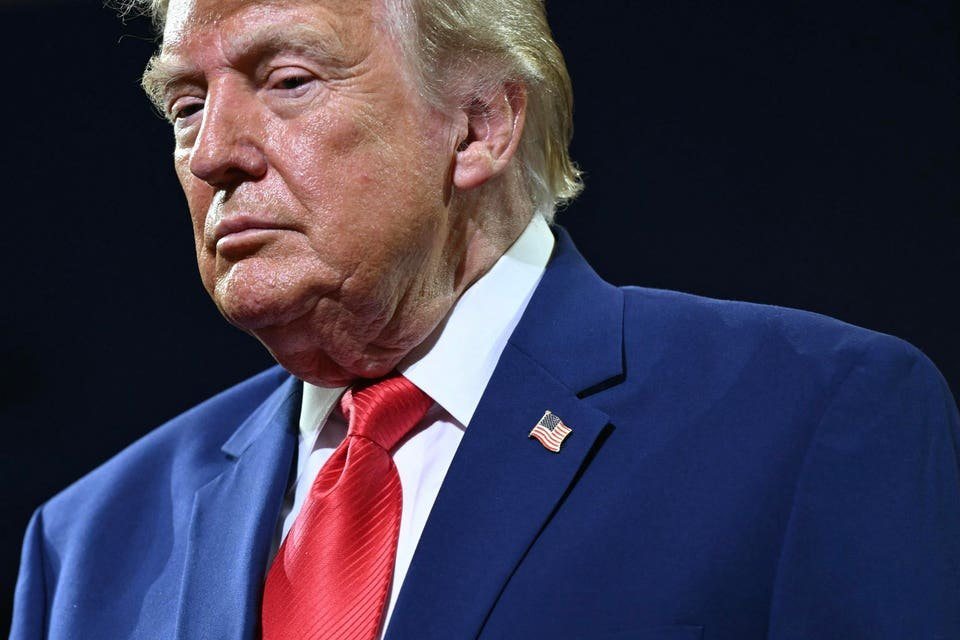
The U.S. House of Representatives voted on Wednesday to once again restrict President Donald Trump’s war powers regarding Iran, delivering a bipartisan rebuke to the administration’s handling of the ongoing military engagement. The resolution, which passed with the support of four Republicans, marks the latest congressional effort to assert oversight over the executive branch’s use of military force in the Middle East.
The measure, formally titled a war powers resolution, seeks to limit the president’s ability to order offensive military operations against Iran without explicit approval from Congress. Lawmakers who supported the resolution argued that the Constitution grants Congress the sole power to declare war and that the administration has overstepped its authority by conducting sustained military operations without a formal declaration.
«Congress has a constitutional responsibility to decide when and where the United States goes to war,» said a leading Democratic sponsor of the resolution. «This vote sends a clear message that the president cannot unilaterally commit our armed forces to an endless conflict without the consent of the people’s representatives.»
The four Republican lawmakers who crossed party lines to support the measure cited concerns about the lack of a clear strategy and the potential for mission creep in the Iran theater. Their votes underscored growing unease within the GOP over the administration’s military posture, even as most Republicans opposed the resolution as an infringement on the commander-in-chief’s authority.
White House officials swiftly condemned the vote, arguing that the resolution would hamstring the president’s ability to protect U.S. interests and respond to threats from Iran. Press secretary Karoline Leavitt said in a statement that the administration «will continue to take all necessary action to defend American personnel and allies, regardless of partisan attempts to micromanage military operations.»
The vote comes amid a broader congressional debate over defense spending and the direction of U.S. policy in the Middle East. The House is also considering a $1.15 trillion defense authorization bill, which has faced an uphill battle in the Senate due to disagreements over funding levels and policy riders. The war powers resolution is seen as part of a larger push by lawmakers to reassert congressional authority over foreign policy and military engagements.
This is not the first time the House has voted to limit Trump’s Iran war powers. Similar resolutions were passed earlier in the conflict but were either vetoed by the president or stalled in the Senate. The latest measure faces an uncertain future, as Senate Majority Leader John Thune has indicated that the chamber is unlikely to take up the resolution in its current form. Even if it passes both chambers, the president is expected to veto it, and supporters acknowledge they likely lack the two-thirds majority needed to override a veto.
The Iran conflict, which escalated significantly in recent months, has become a central issue in the 2026 midterm elections. Critics of the administration argue that the military campaign has been costly in terms of both lives and resources, with no clear endgame. Proponents, however, maintain that the operations are necessary to counter Iranian aggression and protect U.S. allies in the region.
Human rights organizations and anti-war groups have praised the House vote as a step toward reining in executive power. «Every time Congress votes to limit unauthorized war, it reaffirms the principle that the American people, through their elected representatives, should have a say in matters of war and peace,» said a spokesperson for the advocacy group Demand Progress.
The resolution’s passage also highlights the deepening divide between the legislative and executive branches over the conduct of foreign policy. As the conflict continues, the debate over war powers is likely to intensify, with both sides digging in for a protracted legal and political battle. For now, the House has made its position clear: the president must seek congressional approval before expanding military operations against Iran.
83