Memorandum
- From
- Connor Quincy via FOX News
- Date
- Filed
- Politics·5 min to read
- Re
House Passes Bill to Make Daylight Saving Time Permanent
ReHouse Passes Bill to Make Daylight Saving Time Permanent
The House of Representatives overwhelmingly approved the Sunshine Protection Act to make Daylight Saving Time permanent, ending the biannual clock change. The bill now moves to the Senate, where similar legislation previously stalled, amid public support and historical concerns.
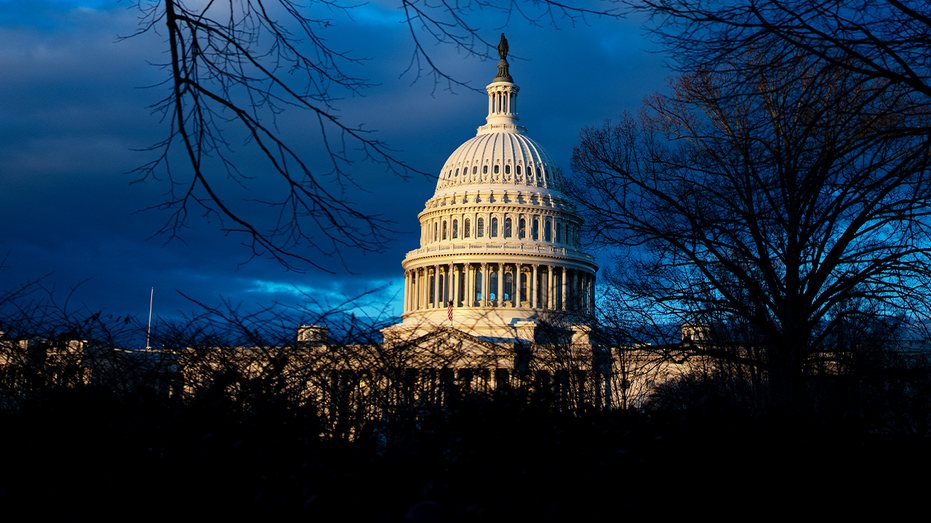
The House of Representatives voted 308-117 this week to approve the Sunshine Protection Act, a bill that would make Daylight Saving Time permanent across the United States, effectively ending the twice-yearly ritual of changing clocks. The legislation, which has broad bipartisan support, now heads to the Senate, where a similar measure passed in 2022 but later stalled in the House. President Trump has signaled support for ending the clock change, calling it «ridiculous» in recent remarks.
Under the proposed law, Americans would no longer «spring forward» in March or «fall back» in November. Instead, the nation would remain on Daylight Saving Time year-round, meaning later sunsets in winter but darker mornings. Supporters argue the change would benefit families, businesses, and communities by providing more daylight in the evening for outdoor activities, reducing energy consumption, and eliminating the disruptive effects of the biannual time shift.
«Polling shows that two-thirds of Americans want to unlock the clock,» said Rep. Vern Buchanan, a Florida Republican and one of the chief sponsors of the legislation. «Allowing an extra hour of sunlight in the evening gives families more time for outside sports activities and school.» Rep. Gus Bilirakis, also a Florida Republican, echoed that sentiment, stating, «The twice-yearly clock change is a relic of the past that no longer reflects the way Americans live.» The bill has drawn support from lawmakers across the political spectrum, with many citing public frustration over the time change.
However, the proposal is not without controversy. Rep. Madeleine Dean, a Pennsylvania Democrat, was the only lawmaker to speak against the bill during House debate. She argued that Congress should focus on more pressing issues, such as rising costs of food, fuel, and health care, rather than time reform. Dean also pointed to a failed experiment in the 1970s, when the U.S. adopted year-round Daylight Saving Time in response to the OPEC oil embargo. That effort proved deeply unpopular, with public support plummeting from 79% in December 1973 to just 42% by August 1974, leading Congress to repeal the measure within a year.
During that earlier experiment, children in Washington, D.C., reportedly walked to school in darkness, some using flashlights to navigate. The experience left a lasting impression on lawmakers and the public, contributing to skepticism about permanent time changes. Despite this history, supporters of the current bill argue that modern lifestyles and energy needs are different, and that the benefits of stable time outweigh the risks.
The Sunshine Protection Act has a long legislative journey ahead. The Senate passed a similar bill in 2022, but the House did not take it up, effectively killing the effort. This time, the House has acted quickly, and advocates are hopeful the Senate will follow suit. Sen. John Kennedy, a Louisiana Republican, discussed the issue with President Trump this week, noting that the president «seems to be very enthusiastic about it.» The White House has not issued an official statement on the bill, but Trump’s support could boost its chances.
If enacted, the law would take effect in November 2025, giving states and federal agencies time to adjust. The bill does not require states to observe Daylight Saving Time; states that currently opt out, such as Arizona and Hawaii, would continue to do so. The change would also affect territories like Puerto Rico and the U.S. Virgin Islands, which do not observe Daylight Saving Time.
The debate over time reform reflects a broader tension in Congress between addressing immediate public concerns and pursuing long-term policy changes. While the Sunshine Protection Act has strong public backing, its path to law remains uncertain. Lawmakers will need to balance the desire for consistency with the lessons of history, ensuring that any change is both practical and sustainable.
81