
Memorandum
- From
- Delaney Sawyer via fox - Most Popular
- Date
- Filed
- Politics·5 min to read
- Re
Ex-Border Patrol Chief Greg Bovino Defends Deportation Efforts, Says He Has No Regrets
ReEx-Border Patrol Chief Greg Bovino Defends Deportation Efforts, Says He Has No Regrets
Former Border Patrol Chief Greg Bovino tells Tomi Lahren he has no regrets about his aggressive enforcement of immigration laws, expressing a desire to have gone even harder and criticizing internal influences on Trump's policies.
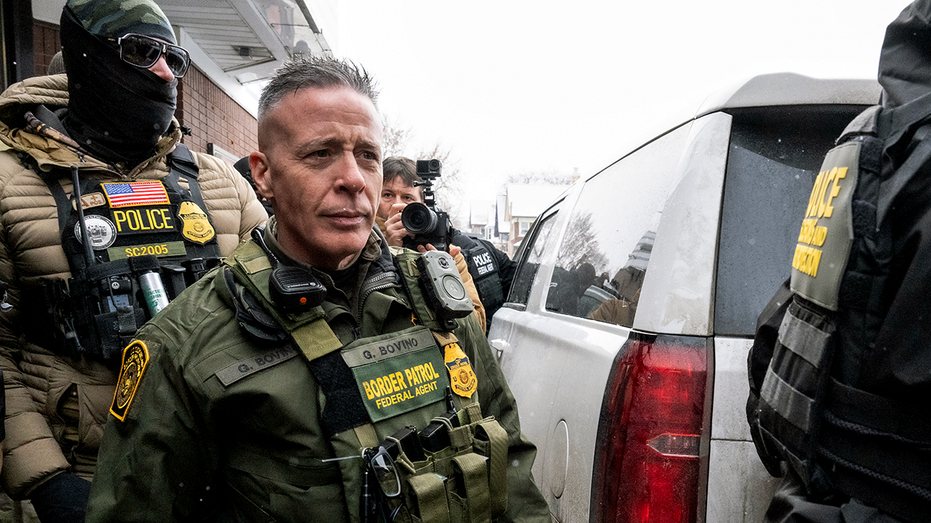
Immigration remains a defining issue for American voters, and former Border Patrol Chief Greg Bovino has offered an unapologetic defense of the Trump administration's deportation operations. In an interview with Tomi Lahren on the program "Tomi Lahren is Fearless," Bovino stated he has no regrets about his role in enforcing immigration laws, adding that he wishes he had taken an even more aggressive approach. His comments come as the administration continues to ramp up enforcement efforts amid ongoing legal and political battles over border policy.
Bovino, who served as a Border Patrol commander-at-large, acknowledged that while the administration has made significant strides, much work remains. He suggested that President Donald Trump may have been influenced by polling data to moderate his stance on immigration, a move Bovino implied was misguided. "If I had something to do over, I would have briefed Trump face-to-face and cut out that team... that maybe plied him with polling and things like that," Bovino said, offering a rare glimpse into internal dynamics that may have shaped policy shifts earlier this year.
The former chief expressed a desire for even broader enforcement, stating he would have liked to arrest a vast number of undocumented immigrants still in the country. "I would have loved to have arrested, oh, I don't know, 99 million of those 100 million illegal aliens that are still here," Bovino said, underscoring his hardline stance. His remarks highlight the ongoing debate over the scale and scope of deportation operations, which have drawn sharp criticism from the left but strong support from those who favor strict enforcement.
Despite being a polarizing figure, Bovino noted that the majority of his public interactions have been positive. He estimated that 90% of people approach him with gratitude rather than hostility. "90% are people saying, 'Can I get a picture with you? Thank you. We're sorry what happened to you,'" Bovino explained. "That lets me know that what we were doing was accepted by, as we always said, 90% of the public." This sentiment, he argued, validates the enforcement mission he led.
Bovino remained defiant in the face of criticism from liberal opponents, who have subjected him to harassment in public settings. He emphasized that he will not apologize for carrying out what he described as a lawful and necessary mission. "I'm very unapologetic," he told Lahren. "I won't apologize for a legal, ethical, lawful, and much needed law enforcement mission." His comments reflect a broader divide in the country over immigration policy, with many conservatives praising his approach while progressives condemn it as overly harsh.
The former Border Patrol chief also expressed confidence that the next generation of activists and law enforcement officials will continue the fight for stricter immigration controls. "It's going to be the young folks, the grassroots, look out... they're going to win this thing," Bovino said, suggesting that the momentum for hardline policies will persist beyond his tenure. His remarks come as Immigration and Customs Enforcement (ICE) has surged enforcement, making thousands of arrests in recent days amid a Supreme Court decision on birthright citizenship.
Bovino's interview provides insight into the internal pressures and external challenges facing the Trump administration's immigration agenda. While the administration has faced legal setbacks and political pushback, Bovino's unwavering stance signals that key figures within the enforcement apparatus remain committed to aggressive action. His critique of polling-driven policy shifts also raises questions about how political considerations may temper enforcement efforts.
The broader context of Bovino's comments includes ongoing controversies over immigration policy, including a recent Supreme Court ruling on birthright citizenship and threats from Democratic officials to jail ICE agents. Border Czar Tom Homan has also engaged in heated exchanges with Texas Democrats over enforcement tactics. As the administration pushes forward, Bovino's remarks serve as a reminder of the deep ideological divisions that continue to shape the national debate on immigration.
82