
Memorandum
- From
- Connor Quincy via FOX News
- Date
- Filed
- Politics·5 min to read
- Re
Democrats Face Backlash After Maine Senate Candidate Graham Platner Withdraws Amid Scandals
ReDemocrats Face Backlash After Maine Senate Candidate Graham Platner Withdraws Amid Scandals
Democratic Senate nominee Graham Platner withdrew from the Maine race after multiple scandals, including rape allegations, leaving party leaders who endorsed him facing criticism for prioritizing political gain over principles.
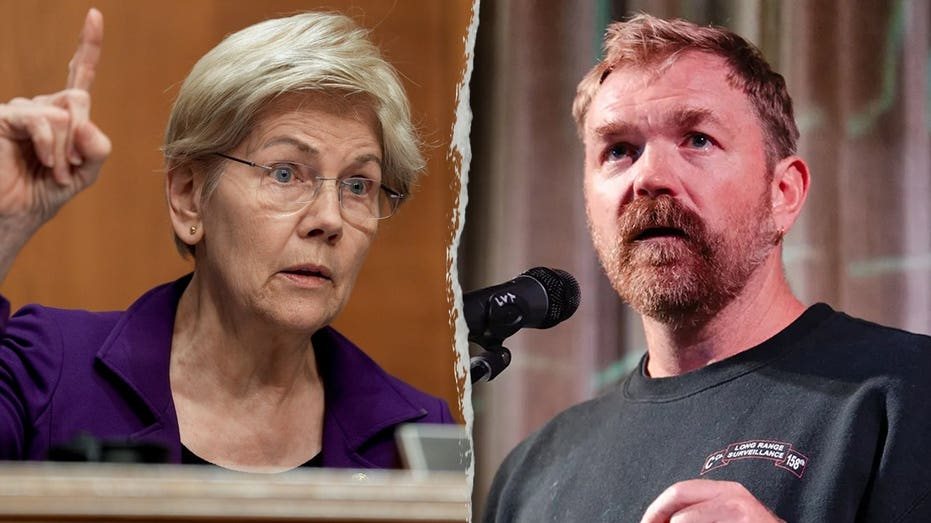
Democratic leaders who rallied behind Maine Senate candidate Graham Platner are facing sharp criticism after he withdrew from the race Wednesday night, following a cascade of scandals that included allegations of rape, Nazi tattoos, and praise for Hamas. The episode has left many in the party grappling with accusations that they abandoned their stated principles in a bid to reclaim power in Congress.
Platner, who won the Democratic primary by more than 70% and outraised the sitting governor in fundraising, was initially embraced by prominent figures such as Senator Bernie Sanders, Senator Elizabeth Warren, Senator Sheldon Whitehouse, and Representative Ro Khanna. Warren appeared onstage with Platner, calling him "my kind of man," while Whitehouse dismissed earlier allegations from multiple women as "a lot of nothing," noting that one accuser was a Republican. The endorsements came despite reports from The New York Times detailing accusations of abuse and misconduct.
The turning point came when new allegations, including a rape accusation from a woman described as liberal, emerged just days before the deadline for Platner to voluntarily withdraw. Media outlets such as CNN and The Washington Post then published stories on the claims, prompting a swift reversal from party leaders. Khanna, who had previously appeared at a rally for Platner, stated, "I’ve been very clear that sexual assault or violence against women is a red line," after withdrawing support. Critics argue that the red line was actually drawn by polling that showed Platner slipping against Republican Senator Susan Collins, making him a liability in the race.
Jonathan Turley, a legal analyst and Fox News contributor, compared the situation to a scene from the play "A Man for All Seasons," where Sir Thomas More asks a former protege who lied for a position, "For Wales? Why, Richard, it profits a man nothing to give his soul for the whole world… but for Wales!" Turley wrote that Democrats may not even have Maine to show for their efforts, noting that the party’s abandonment of Platner only after political calculations shifted reveals a pattern of prioritizing power over principle.
The Maine Democratic Party has announced it will choose Platner’s replacement through an ad hoc convention of about 600 selected delegates, explicitly stating that Platner’s team has no role in the decision. This move has drawn comparisons to the 2024 Democratic primary process, where the establishment overrode grassroots support. Some speculate that Maine Secretary of State Shenna Bellows, who previously attempted to block Donald Trump from the state’s ballot in an effort later overturned by the Supreme Court, could emerge as the new nominee.
Republican critics have seized on the episode, arguing that Democrats are "completely stained" by their initial support for Platner. Dan Bongino, a former Secret Service agent and commentator, said the party dumped Platner over "power, not principle." The controversy has also reignited debates about the party’s handling of sexual assault allegations, particularly in light of the 2018 confirmation hearings for Supreme Court Justice Brett Kavanaugh, when Democrats insisted that women must be believed.
New York Times columnist Michelle Goldberg, who earlier wrote a glowing profile of Platner describing him as "magnetic" and "nothing like the edgelord caricature I encountered online," later called for his withdrawal. The reversal underscores the rapid shift in media and political sentiment once Platner’s viability in the general election came into question.
The fallout from Platner’s withdrawal is likely to have lasting implications for the Democratic Party in Maine and beyond. With the Senate race now in flux, the party must quickly regroup to field a candidate capable of challenging Collins, a four-term incumbent who has proven resilient in a state that has trended Democratic in presidential elections. The episode also serves as a cautionary tale about the risks of embracing candidates with controversial backgrounds in the pursuit of electoral victories.
117