Memorandum
- From
- Caroline Mercer via The New York Times
- Date
- Filed
- Politics·6 min to read
- Re
Democrats and Trump Clash During America’s 250th Birthday Celebrations
ReDemocrats and Trump Clash During America’s 250th Birthday Celebrations
Political tensions flared on July 4, 2026, as Democratic leaders criticized President Trump’s agenda during the nation’s semiquincentennial, while Trump used his Salute to America speech to honor military heroes and promote the SAVE America Act.
Political divisions were on full display during America’s 250th birthday celebrations on July 4, as Democratic leaders clashed with President Trump over his agenda and rhetoric, turning the semiquincentennial into a stage for partisan conflict. The nation’s milestone anniversary, meant to unite Americans in reflection on shared history, instead highlighted the deep political fissures that have defined the current era.
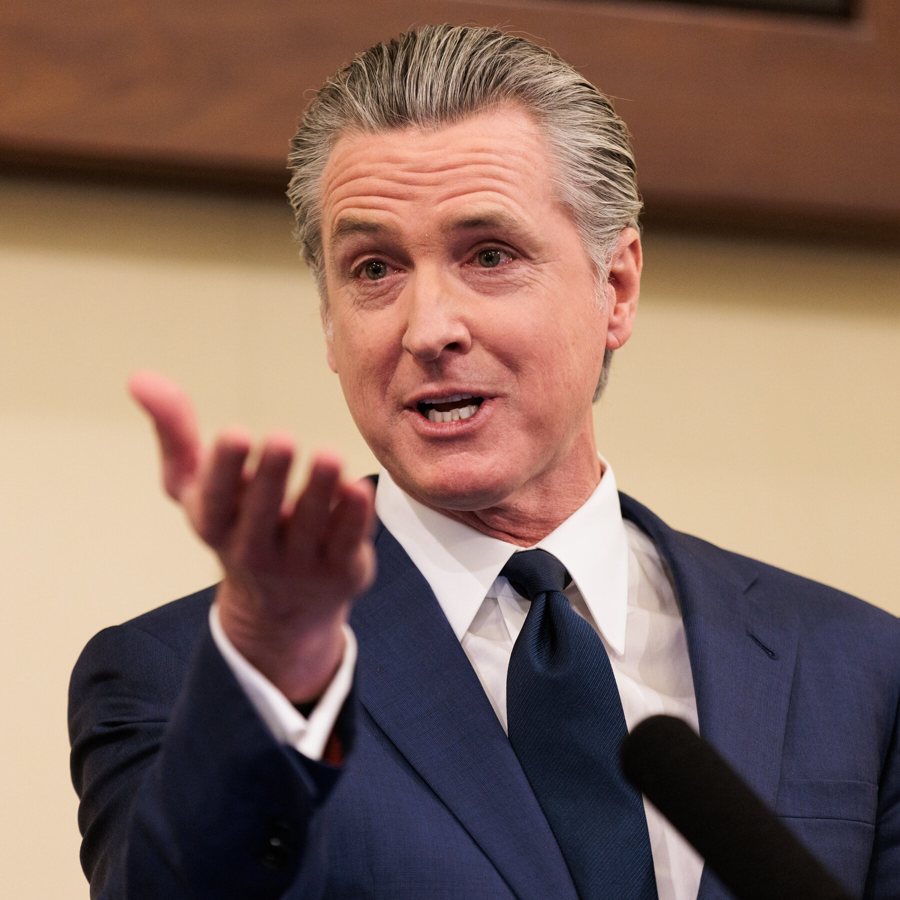
California Governor Gavin Newsom, a potential 2028 presidential candidate and a vocal critic of the president, led the Democratic pushback. Speaking at events in Sacramento, Newsom accused Trump of using the celebration to advance a divisive political agenda rather than honoring the country’s founding principles. “This is not a moment for one party’s talking points,” Newsom said. “It is a time to remember that our strength comes from unity, not from division.” His remarks echoed those of other Democratic figures who argued that the president’s speech at the Salute to America event in Washington, D.C., strayed from the nonpartisan spirit of the holiday.
President Trump, for his part, delivered a speech that blended patriotic themes with clear political messaging. Speaking before a crowd at the National Mall, he honored military veterans and highlighted what he described as the nation’s enduring strength. However, he also used the platform to promote the SAVE America Act, a legislative proposal that would require photo identification to vote and limit the use of mail-in ballots. Trump framed the bill as a necessary measure to protect election integrity, a stance that has drawn sharp criticism from Democrats and voting rights advocates who argue it would suppress turnout among minority and low-income voters.
The president also displayed a historic flag from 1777 on stage, one of the earliest known American flags, as a symbol of the nation’s long history. The gesture was intended to evoke a sense of continuity and pride, but it also served as a backdrop for his broader political narrative. NBC News reported that Trump’s address touched on themes of national greatness and resilience, but also included pointed references to his political opponents and ongoing legal battles.
Democrats responded with a coordinated counter-messaging effort. In addition to Newsom’s comments, party leaders issued statements accusing Trump of exploiting the anniversary for personal and political gain. House Minority Leader Hakeem Jeffries called the president’s speech “a missed opportunity to bring the country together,” while Senator Elizabeth Warren described it as “a campaign rally disguised as a celebration.” The Democratic National Committee released a video montage highlighting moments of unity in American history, implicitly contrasting them with the current political climate.
The clash reflects a broader pattern of polarization that has intensified during Trump’s second term. The 250th anniversary, known as the semiquincentennial, was initially envisioned by many as a chance for bipartisan commemoration. Planning committees had worked for years to organize events that would appeal to Americans across the political spectrum. Yet, as the day approached, the tone shifted. Trump’s decision to use the Salute to America address as a vehicle for policy promotion and political attacks was seen by critics as a deliberate move to dominate the narrative.
Supporters of the president defended his approach, arguing that celebrating America’s history inherently involves acknowledging the principles that the SAVE America Act seeks to protect. “The president is honoring our past by securing our future,” said White House Press Secretary Karoline Leavitt. “There is nothing partisan about wanting every legal vote to count.” The flag display and the focus on military heroes were widely praised by conservative commentators, who contrasted Trump’s robust patriotism with what they characterized as Democratic reluctance to celebrate the nation’s achievements.
The day’s events also included traditional fireworks, parades, and community gatherings across the country. In many cities, local officials attempted to keep the focus on shared heritage, but national media coverage inevitably gravitated toward the political drama unfolding in Washington. Polls conducted in the weeks leading up to the holiday showed that a majority of Americans viewed the anniversary as an important moment for national reflection, but partisan divides over how to interpret the country’s history and future remained stark.
As the celebrations wound down, the lasting image of the 250th birthday was one of a nation simultaneously proud of its past and deeply divided over its present. The clash between Democrats and Trump over the meaning of the holiday underscored the challenges of finding common ground in an era of intense political rivalry. For many observers, the day served as a reminder that even a milestone anniversary cannot easily bridge the gap between competing visions of America’s identity.
86