Memorandum
- From
- Connor Quincy via fox - Most Popular
- Date
- Filed
- Politics·5 min to read
- Re
CNN host apologizes for remark that Jon Ossoff 'may not read as Jewish' as Josh Shapiro
ReCNN host apologizes for remark that Jon Ossoff 'may not read as Jewish' as Josh Shapiro
CNN host Elex Michaelson apologized after suggesting that Sen. Jon Ossoff 'may not read as Jewish' as Pennsylvania Gov. Josh Shapiro, sparking backlash over perceived ranking of candidates by Jewish appearance.
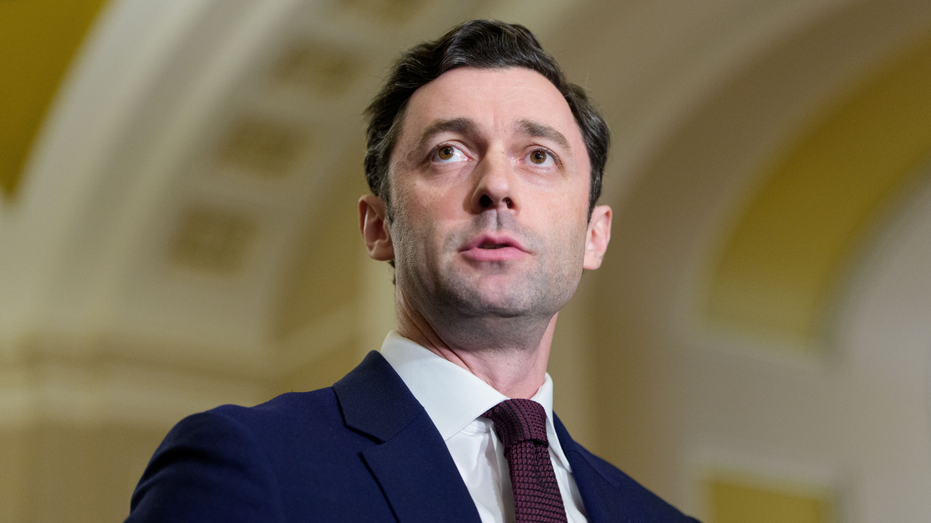
CNN host Elex Michaelson issued an apology Tuesday after a comment he made on air suggested that Georgia Senator Jon Ossoff «may not read as Jewish» as Pennsylvania Governor Josh Shapiro, a remark that drew swift backlash from political commentators and Jewish advocacy figures. The exchange occurred during a panel discussion on Michaelson's show «The Story,» where the conversation turned to potential Democratic presidential candidates for 2028.
During the segment, Michaelson, who is Jewish, joined Los Angeles County Republican Party Chair Roxanne Beckford Hoge and political commentator Eric Messersmith to discuss Ossoff's rising odds in betting markets, where he ranked second behind California Governor Gavin Newsom. Hoge expressed skepticism that Ossoff could overcome what she described as the Democratic Party «playing footsie with antisemites,» while Messersmith defended Ossoff as disciplined and «on message,» despite being untested nationally.
Messersmith then argued that Ossoff's Jewish identity could help him «thread the needle» within the party, noting that Ossoff has been critical of Israeli Prime Minister Benjamin Netanyahu and the Israeli government. «He has credibility on that issue,» Messersmith said. «So, it's possible — I think he could fill that lane in between the two extremes of the Democratic Party.»
Michaelson responded by saying, «Yeah, as a Jew, some people read a little more Jewish than other people, and Jon Ossoff may not read as Jewish as Josh Shapiro does, for whatever that's worth.» The remark quickly spread across social media, drawing criticism from conservatives and Jewish leaders alike.
Former U.S. Ambassador David Friedman called the comment «most dangerous and offensive words in the modern vernacular: 'As a Jew…'» while conservative commentator Meghan McCain asked, «What exactly are we doing here?» Targeted Victory Vice President Logan Dobson described the exchange as «a deeply weird place the democratic party is in on this issue.» Boundless Israel CEO Aviva Klompas offered a sarcastic hypothetical, writing, «CNN anchors, chatting casually: 'There's the acceptable Jew, you know the one who denounces Netanyahu and Israel.'»
Michaelson later apologized on X, writing, «I apologize. I made a comment that was offensive. Going forward, I'll do better.» Fox News Digital reached out to the offices of both Shapiro and Ossoff for comment but did not receive immediate responses.
The incident highlights the complex role that Jewish identity and views on Israel play in Democratic politics, particularly as the party grapples with internal divisions over the Israeli-Palestinian conflict. Shapiro, who is running for re-election as governor of Pennsylvania, has emerged as a potential 2028 presidential contender, but his Jewish background and support for Israel have drawn criticism from far-left activists. Ossoff, who is also Jewish, faces re-election in November and has repeatedly denied any plans to run for president in the near future.
The controversy comes amid broader debates within the Democratic Party about antisemitism and the influence of pro-Israel groups like AIPAC. Shapiro recently warned that attacks on AIPAC are being used to «silence certain voters,» while some Jewish Democrats have expressed concern about the party's direction on Israel-related issues. The episode also reflects ongoing tensions over how Jewish candidates navigate their identity in a polarized political environment.
Political analysts note that the discussion of how «Jewish» a candidate appears is unusual in mainstream political discourse and risks reinforcing stereotypes. The backlash against Michaelson's comment underscores the sensitivity of such framing, especially as Jewish voters remain a key constituency in both parties. The incident also comes at a time when antisemitic incidents have been on the rise in the United States, adding further weight to the criticism.
As the 2028 presidential race begins to take shape, the role of Jewish candidates like Shapiro and Ossoff will likely continue to be a subject of scrutiny. Both men have sought to balance their religious identity with their political ambitions, often facing questions about their stance on Israel and their ability to appeal to a diverse electorate. The controversy over Michaelson's remark serves as a reminder of the challenges that Jewish politicians face in a deeply divided political landscape.
90