Memorandum
- From
- Caroline Mercer via NYT - U.S.
- Date
- Filed
- Politics·4 min to read
- Re
Appeals Court Maintains Block on Federal Voter Identification Tool
ReAppeals Court Maintains Block on Federal Voter Identification Tool
A federal appeals court has upheld a block on a Trump administration initiative to introduce new voter identification requirements ahead of the November midterm elections, marking another legal setback for the administration's voting restrictions.
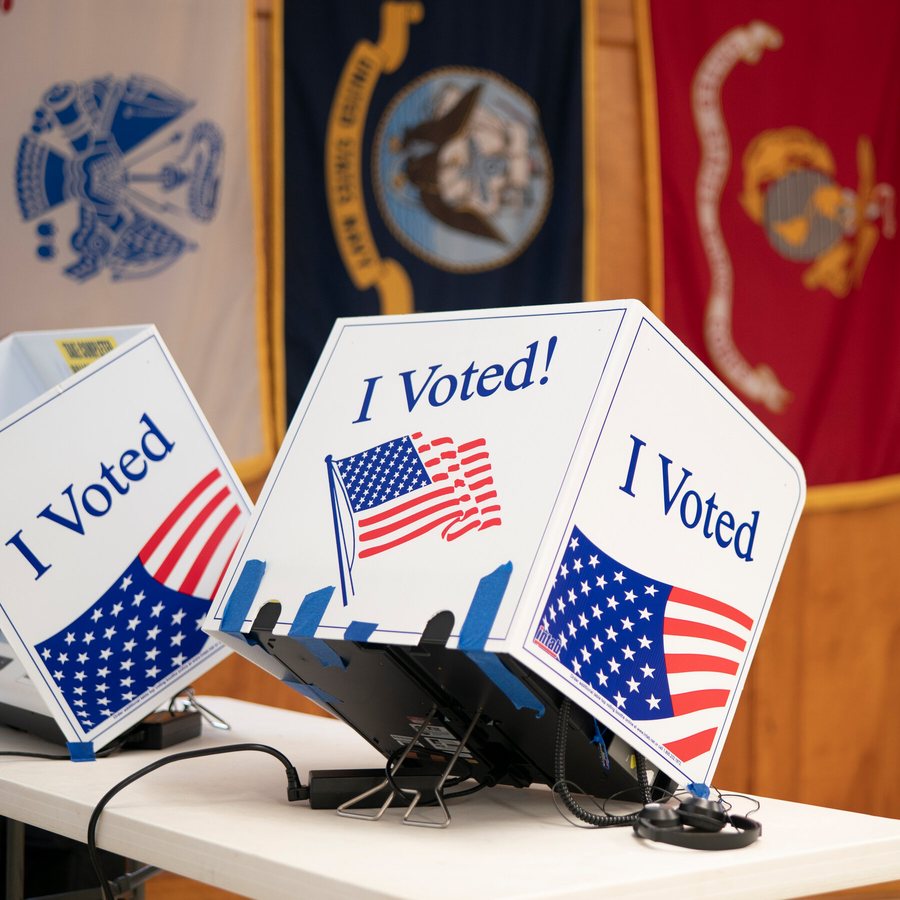
A federal appeals court has upheld a lower court's block on a Trump administration initiative to introduce new voter identification requirements ahead of the November midterm elections. The ruling preserves the injunction against the federal voter identification tool, which the administration had sought to deploy as part of a broader push to tighten voting rules before Election Day.
The decision adds to a series of legal battles over election procedures in the months leading up to the midterms. The administration has argued that the identification tool is necessary to safeguard the integrity of federal elections, while opponents contend that the measure would disproportionately affect minority voters, elderly citizens, and low-income Americans who may lack the required documentation.
Legal experts following the case note that the appeals court's decision does not settle the matter permanently. The administration is expected to pursue further appeals, potentially taking the dispute to the Supreme Court. A ruling from the nation's highest court could have significant implications for how federal elections are administered across the country.
The case is part of a wider pattern of election-related litigation this cycle. In a separate development on Friday, the Supreme Court granted Republicans an emergency appeal in a dispute over campaign television advertising rates. That decision, supported by the Trump administration, temporarily halted a lower court ruling that would have limited discounted broadcast ad spots to candidates. The ruling was seen as a victory for Republican committees and outside groups seeking to benefit from lower advertising costs during the final stretch of the campaign season.
Together, the two rulings illustrate the high stakes of election law disputes as the midterms approach. Voting rights organizations have closely monitored the voter identification case, warning that restrictions imposed late in the election cycle could create confusion at polling places and disenfranchise eligible voters. Election officials in several states have also expressed concern about the practicality of implementing new identification requirements on short notice.
The administration has framed its voting measures as necessary safeguards against fraud, a position echoed by Republican leaders in Congress. Democrats and voting rights advocates have pushed back, arguing that the real intent is to suppress turnout among demographic groups that tend to support Democratic candidates. Polling data suggests that voter identification requirements enjoy broad public support in principle, but opposition sharpens when specific rules are perceived as burdensome or discriminatory.
With the midterm elections now weeks away, the legal landscape for voting procedures remains in flux. The appeals court's decision provides temporary clarity for states preparing to administer federal elections, but further court action could alter the rules of the game at any moment. Election administrators are urging voters to check their registration status and familiarize themselves with current identification requirements in their states, regardless of the ongoing litigation.
202