Memorandum
- From
- Caroline Mercer via All News
- Date
- Filed
- Economy·2 min to read
- Re
China Holds Loan Rates Steady for 17th Straight Month
ReChina Holds Loan Rates Steady for 17th Straight Month
China's benchmark lending rates remained unchanged for a 17th consecutive month, as the central bank balances currency stability against the need to support a slowing economy.
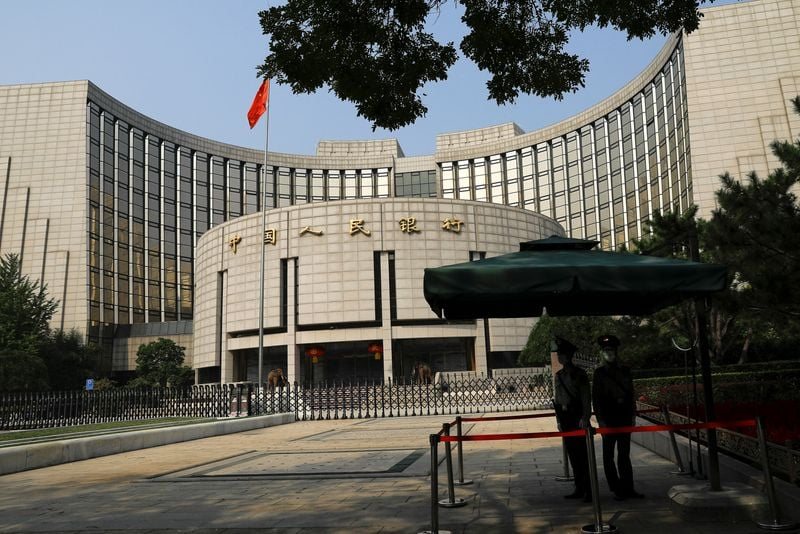
China kept its benchmark lending rates unchanged for a 17th consecutive month, signaling that the People's Bank of China is holding back from broad monetary easing as it weighs support for a slowing economy against pressure on the yuan and the banking system.
The one-year loan prime rate, the reference for most corporate and household loans, and the five-year rate, which guides mortgages, were both left at their existing levels. The decision was widely anticipated by economists, who had expected the central bank to maintain its cautious stance rather than deliver a fresh round of rate cuts.
The pause reflects a policy balancing act. Lowering rates would reduce borrowing costs for companies and households, but it would also narrow the interest-rate gap with the United States and other major economies, adding downward pressure on the renminbi. A weaker currency complicates Beijing's efforts to keep financial conditions stable and could accelerate capital outflows.
At the same time, Chinese banks are operating with compressed profit margins. Years of low lending rates and a prolonged property downturn have weighed on their balance sheets, limiting how much room they have to absorb further cuts without eroding profitability or their ability to extend credit.
China's economy has shown pockets of improvement in industrial output and exports, but consumer demand and the property sector remain fragile. The loan prime rate is set monthly by a panel of major banks and serves as the benchmark for a wide range of lending, making it a closely watched gauge of the central bank's policy direction.
Economists expect the central bank to rely on targeted tools rather than broad rate cuts in the near term, including reserve requirement adjustments and lending programs aimed at specific sectors. The steady setting suggests policymakers are content to wait for earlier stimulus measures to work through the economy before considering further easing.
7