Memorandum
- From
- Derek Weston via All News
- Date
- Filed
- Economy·3 min to read
- Re
China's September US Soybean Imports Rebound From Zero a Year Earlier
ReChina's September US Soybean Imports Rebound From Zero a Year Earlier
China resumed purchases of US soybeans in September, with imports rebounding from zero a year earlier, according to customs data. The recovery reflects a partial return of American supply to the Chinese market after trade disruptions.
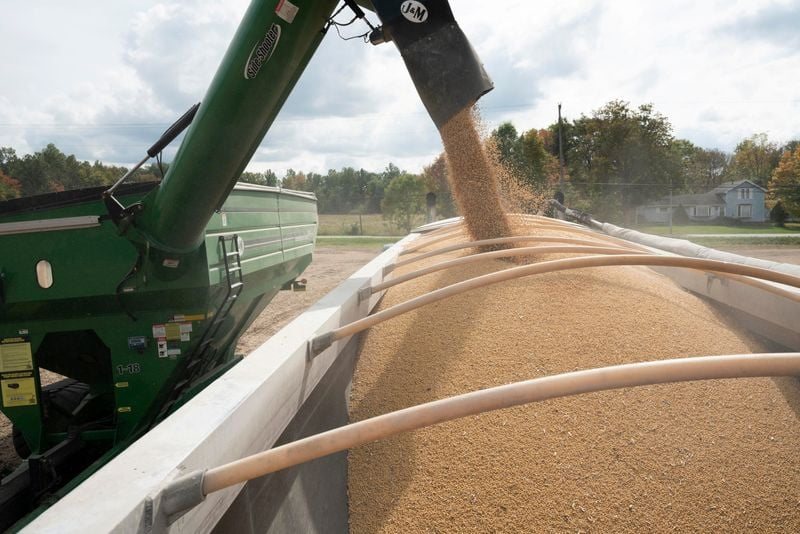
China imported US soybeans in September, rebounding from zero shipments a year earlier, according to customs data. The return of American soybeans to Chinese ports marks a partial recovery in agricultural trade between the two countries after a period of disruption.
The September figures show that US soybeans are again flowing into China, the world's largest importer of the oilseed. A year earlier, imports had fallen to zero as trade tensions and other factors kept American cargoes out of the Chinese market. The rebound suggests buyers have resumed purchasing from US suppliers, though the data does not specify volumes or the value of the shipments.
Soybeans are a key component of the global agricultural trade, and China's purchasing patterns are closely watched by farmers, traders, and policymakers. The country crushes imported soybeans primarily for animal feed and cooking oil, making the flow of supply critical to its food and agricultural sectors. The US is one of the largest producers and exporters of soybeans, and access to the Chinese market is significant for American growers.
The return of US soybean imports comes amid broader fluctuations in trade between the two economies. China has diversified its soybean sourcing in recent years, buying heavily from Brazil and other suppliers. The September data indicates that US beans have regained at least some share of the Chinese market, though the overall trend remains uncertain.
Customs data is released monthly and provides one of the clearest snapshots of China's agricultural import activity. The September rebound from a zero base a year earlier is a notable shift, but it does not by itself indicate a sustained recovery. Traders and analysts will look to subsequent months for evidence of whether the purchases continue.
For US soybean farmers, the renewed demand from China offers a potential outlet for their crop, which is harvested in the fall. The timing of the September imports aligns with the US harvest season, when newly gathered soybeans are shipped to export markets. The absence of US soybeans in the same month last year had left a gap that other suppliers filled.
The data does not break down the reasons behind the rebound, but it confirms that US soybeans are once again part of China's import mix. The development is part of the wider picture of agricultural trade flows that connect the two countries and influence global commodity markets.
3