Memorandum
- From
- Derek Weston via fox - Politics
- Date
- Filed
- Politics·5 min to read
- Re
12 Key Senate Races to Watch as Midterms Approach
Re12 Key Senate Races to Watch as Midterms Approach
With four months until the midterms, a dozen competitive Senate races could determine control of the chamber, with Republicans defending a slim majority amid economic challenges and Democratic efforts to flip seats.
With just under four months until the midterm elections, control of the U.S. Senate hangs in the balance as both parties focus on a dozen competitive races that could shift the chamber's 53-47 Republican majority. Senator Tim Scott, chair of the National Republican Senatorial Committee, has expressed confidence that the GOP can expand its hold, while Senator Kirsten Gillibrand, head of the Democratic Senatorial Campaign Committee, sees potential for a Democratic wave. The outcome will hinge on a mix of open seats, incumbent challenges, and battleground states where economic issues and party branding are central.
Republicans face headwinds typical for the party in power during midterms, compounded by persistent inflation, high gas prices, and an unpopular war with Iran, as well as President Donald Trump's underwater approval ratings. However, Democrats grapple with their own challenges, including an unpopular party brand and primary victories by left-wing candidates that Republicans use to paint all Democrats as extremists. These dynamics set the stage for a fiercely contested election cycle.
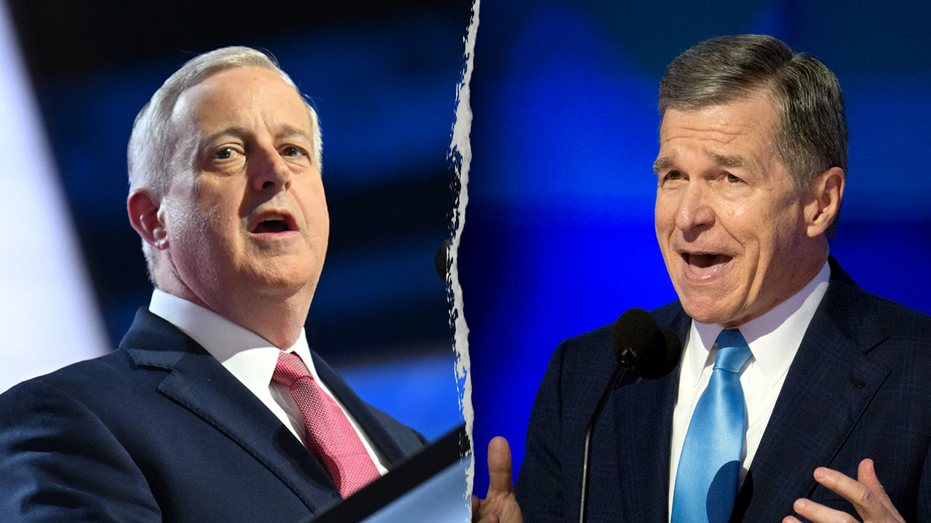
In North Carolina, the race to replace retiring Republican Senator Thom Tillis is a top battleground. The GOP has rallied behind former Republican National Committee Chair Michael Whatley, who has Trump's endorsement. Democrats secured a strong recruit in former two-term Governor Roy Cooper, who has never lost a statewide race and enjoys high name recognition. North Carolina voted for Trump in 2024, but nonpartisan analysts rate the race as Lean Democrat or a toss-up, reflecting its competitiveness.
Maine presents a challenge for Democrats as moderate Republican Senator Susan Collins seeks a sixth term in a state that backed Kamala Harris in 2024. Collins has seen her poll numbers decline since her last re-election, but she has proven resilient. Her Democratic opponent, Graham Platner, a Marine Corps veteran and oyster farmer backed by progressive figures like Senators Bernie Sanders and Elizabeth Warren, faces controversy over past comments, a Nazi-linked tattoo, and allegations of misconduct, which Republican groups have highlighted.
In Michigan, an open seat created by retiring Democrat Gary Peters offers a GOP flip opportunity. Former Representative Mike Rogers, who narrowly lost the 2024 Senate race, is the likely Republican nominee with Trump's backing. Democrats are divided in a primary between centrist Representative Haley Stevens, endorsed by Senate Minority Leader Chuck Schumer, and left-wing candidate Abdul El-Sayed, backed by Sanders and Representative Alexandria Ocasio-Cortez. The primary, set for August 4, has exposed party divisions that Rogers can exploit.
Ohio features a rematch of sorts as former Democratic Senator Sherrod Brown challenges Republican Senator Jon Husted, who was appointed after JD Vance became vice president. Ohio has shifted solidly red, but Brown lost re-election in 2024 by only four points while Trump won the state by 11. Nonpartisan analysts rate the race as a toss-up or tilt Republican, making it a key test of Democratic strength in a reddening state.
New Hampshire's open seat, following the retirement of Senator Jeanne Shaheen, is another Republican target. Representative Chris Pappas is expected to win the Democratic nomination, while Republicans face a primary between two former senators. The state, New England's only swing state, could flip if the GOP unites behind a strong candidate.
Other competitive races include Pennsylvania, where Republican Senator Pat Toomey is retiring, and Arizona, where Democratic Senator Mark Kelly faces a tough re-election. In Georgia, Republican Senator Kelly Loeffler defends her seat, while Nevada's Democratic Senator Catherine Cortez Masto is vulnerable. Wisconsin's Republican Senator Ron Johnson and Florida's Republican Senator Marco Rubio also face challenges, though their races are less certain.
The battle for the Senate will ultimately depend on voter turnout, economic conditions, and each party's ability to define the other. With control of the chamber at stake, both parties are pouring resources into these dozen races, making them the focal point of the midterm campaign.
120