Memorandum
- From
- Connor Quincy via Fortune | FORTUNE
- Date
- Filed
- News·5 min to read
- Re
Meta agrees to pay up to $17.1 billion in landmark child-safety settlement
ReMeta agrees to pay up to $17.1 billion in landmark child-safety settlement
Meta Platforms will pay up to $17.1 billion to resolve a lawsuit brought by 29 states alleging Facebook and Instagram were engineered to be addictive to children. The deal is the largest single tech-industry payout ever recorded and includes industry-wide conditions tied to TikTok and YouTube.
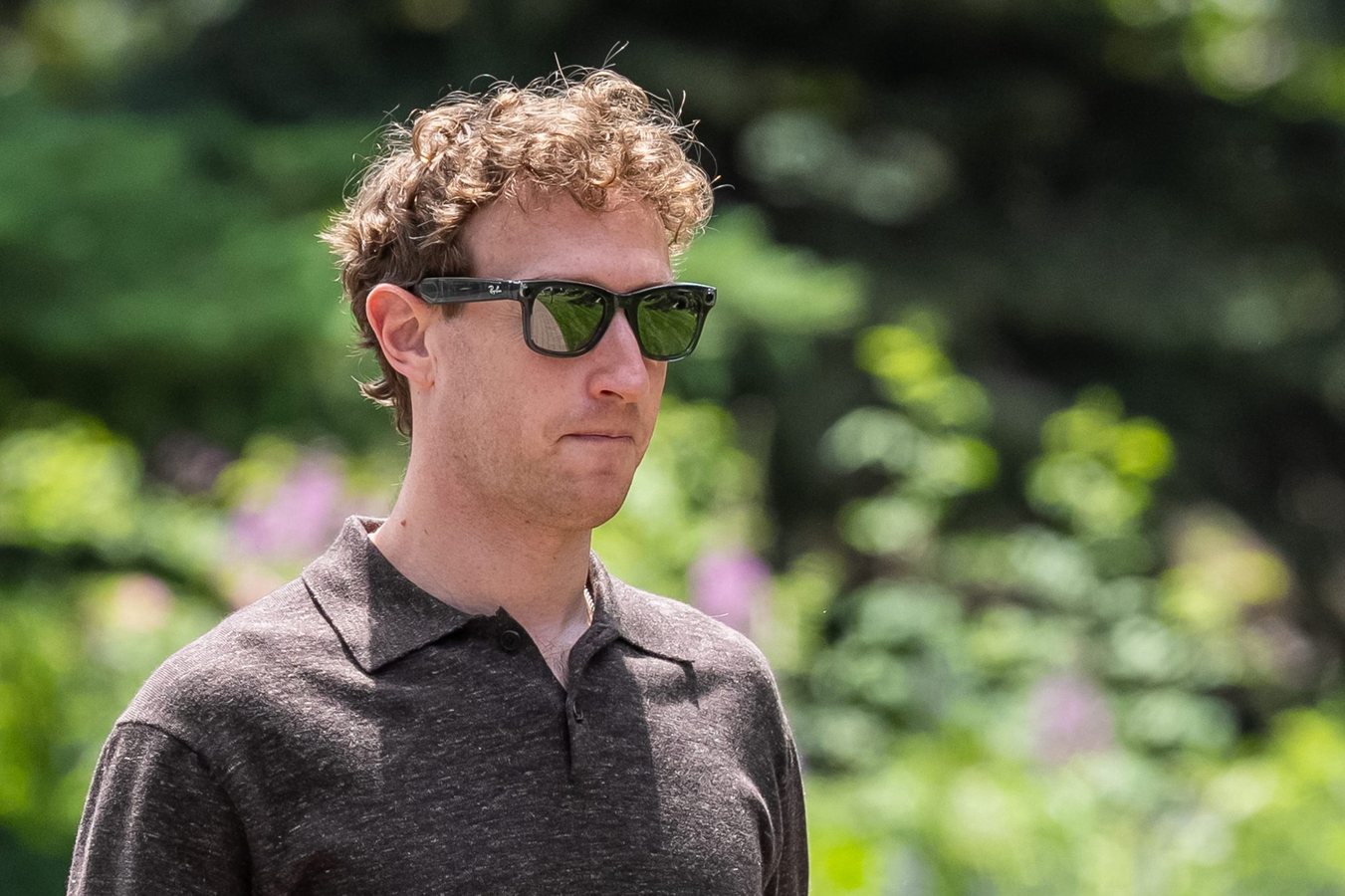
Meta Platforms has agreed to pay up to $17.1 billion to settle a landmark lawsuit brought by 29 states alleging the company deliberately engineered Facebook and Instagram to be addictive to children. The agreement, announced Wednesday, marks the largest single settlement in the company's history and the biggest tech-industry payout ever recorded in a single case.
The settlement resolves federal Children's Online Privacy Protection Act claims from all 29 states involved in the lawsuit, along with separate state consumer-protection claims that California, Colorado, Kentucky, and New Jersey were actively pursuing before U.S. District Judge Yvonne Gonzalez Rogers in Oakland. Opening arguments had begun just over a week earlier, with California Deputy Attorney General Megan O'Neill telling the court that Meta's business model could be summed up in four words: hook the users, hold them, harvest their data, and hide the truth from the public.
Meta's own press release put the settlement at $18 billion, with states receiving approximately 70%, or $12.7 billion, in annual installments over 10 years regardless of what happens elsewhere in the industry. The remaining 30%, roughly $5.3 billion, is released only if two conditions are met: TikTok and YouTube adopt matching daily time limits, night mode restrictions, and age-verification measures, and each of those companies pays a matching sum. Some state attorneys general have cited a slightly lower total of $17.1 billion, built on a similar guaranteed-plus-contingent structure with a roughly $12.1 billion floor plus an additional $5 billion contingent on the same industry-wide adoption.
As part of the deal, Meta agreed to nationwide safeguards for teen users of Facebook and Instagram, including daily usage limits and nighttime blocks. The company denied wrongdoing and had previously argued that the states' financial demands were vastly disproportionate, warning in pretrial filings that the states' own damages framework could theoretically produce penalties as high as $1.4 trillion, a figure close to Meta's entire market capitalization. The states' lawyers had signaled roughly $200 billion was a more realistic target at trial.
The settlement more than triples Meta's previous high-water mark: the $5 billion penalty the Federal Trade Commission imposed in 2019 over Cambridge Analytica-era privacy violations. Across the tech sector more broadly, the new settlement exceeds the EU's four separate antitrust fines against Google, which together total roughly $12 billion over nearly a decade. It is more than 10 times Anthropic's $1.5 billion payout to authors, the largest copyright settlement in U.S. history, and more than 10 times Google's $1.375 billion privacy settlement with Texas last year.
For additional context, the company posted $60.46 billion in net income on $200.97 billion in revenue for full-year 2025, meaning the settlement equals roughly 27% of one year's profit and about 8% of annual revenue. Meta has continued to spend aggressively even as its legal exposure mounted, raising its 2026 capital expenditure guidance to as much as $145 billion, driven largely by its AI buildout. To put the figure in perspective, the $17.1 billion is a little more than three times the roughly $5 billion personal stake that Alexandr Wang held in Scale AI, a data-labeling company that supplies human-annotated training data for AI models. Last year, Meta paid $14.3 billion for a 49% stake in the company and brought in Wang to lead its AI efforts.
Wednesday's deal caps a difficult year for Meta in the courts. A New Mexico jury found in March that the company had willfully violated state consumer-protection law by concealing what it knew about child sexual exploitation on its platforms, awarding $375 million in penalties. As the case lingered between phases, New Mexico Attorney General Raul Torrez criticized Meta in April for threatening to shut down in the state rather than install safeguards, saying the company was showing the world how little it cares about child safety.
49