Memorandum
- From
- Caroline Mercer via fox - Tech
- Date
- Filed
- News·3 min to read
- Re
International Operation Dismantles KillSec Ransomware Gang, 16-Year-Old Suspected Leader
ReInternational Operation Dismantles KillSec Ransomware Gang, 16-Year-Old Suspected Leader
A coordinated law enforcement crackdown has taken down the infrastructure of KillSec, a ransomware group linked to roughly 1,000 attacks worldwide. Investigators identified a 16-year-old as the suspected main operator, and authorities seized 110 terabytes of stolen data.
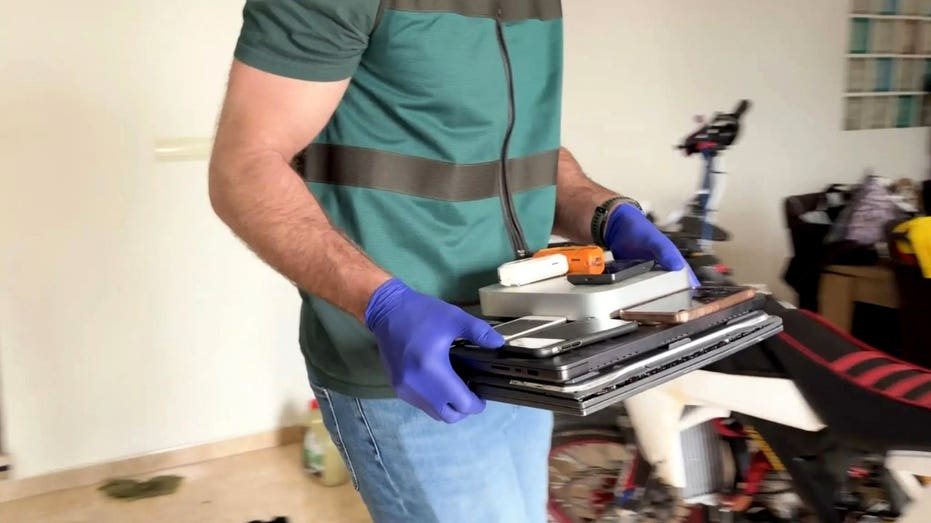
An international law enforcement operation has dismantled the core infrastructure of KillSec, a ransomware group suspected of carrying out around 1,000 attacks globally, about half of which were successful. The crackdown, dubbed Operation KillSwitch, resulted in the takedown of the group's dark web leak site and five central servers, and the seizure of at least 110 terabytes of stolen data. Authorities also made three provisional arrests and conducted eight searches across Greece, Romania, Spain, and the United Kingdom.
The most striking detail to emerge from the investigation is the age of the alleged ringleader. Investigators identified a 16-year-old as KillSec's suspected administrator and main operator. Another suspected member, described as a developer, turned 18 in August and was reportedly still a minor when some of the alleged crimes occurred. Authorities also identified individuals suspected of serving as a negotiator and an affiliate. The investigation remains ongoing, with law enforcement examining seized computers, servers, and cryptocurrency proceeds for further evidence.
KillSec has been active since around 2024, according to Europol. The group exploited software vulnerabilities and poorly secured access points to break into organizations, then copied sensitive internal files to systems they controlled. Victims were listed on the group's dark web site, with threats to publish the stolen data unless a ransom was paid. In some cases, files were released after victims refused to pay. Europol says the group received substantial ransom payments from some attacks, highlighting a shift in ransomware tactics where stolen information itself becomes the leverage, even if backups prevent file encryption.
Investigators also revealed that KillSec members used artificial intelligence to help build and maintain ransomware infrastructure and to identify potential victims. While AI did not carry out attacks independently, its use illustrates how cybercriminals are adopting the same tools as legitimate businesses to streamline operations. This lowers the technical barriers to entry, allowing even a teenager to potentially orchestrate a large-scale operation without building every component from scratch.
The operation was coordinated by authorities from the United States and several European countries, with support from Europol and Eurojust. Europol cautions that the number of successful attacks may change as investigators continue reviewing seized evidence. The takedown represents a significant blow to KillSec, but ransomware groups have a history of reorganizing and resurfacing under new names. The case underscores the importance of basic security hygiene: patching software, securing access points, and using strong passwords. KillSec appears to have targeted organizations rather than individual home users, but the methods exploited are the same weaknesses that affect everyone.
5