Memorandum
- From
- Connor Quincy via Fortune | FORTUNE
- Date
- Filed
- News·5 min to read
- Re
Cubans describe psychological toll of U.S. energy embargo as shortages deepen
ReCubans describe psychological toll of U.S. energy embargo as shortages deepen
Daily life in Cuba has become a struggle for survival as the U.S. energy embargo and economic crisis worsen, leaving residents without reliable power, water, and food. Doctors report patients seeking emotional support, while the U.S. Embassy warns of health risks from deteriorating infrastructure.
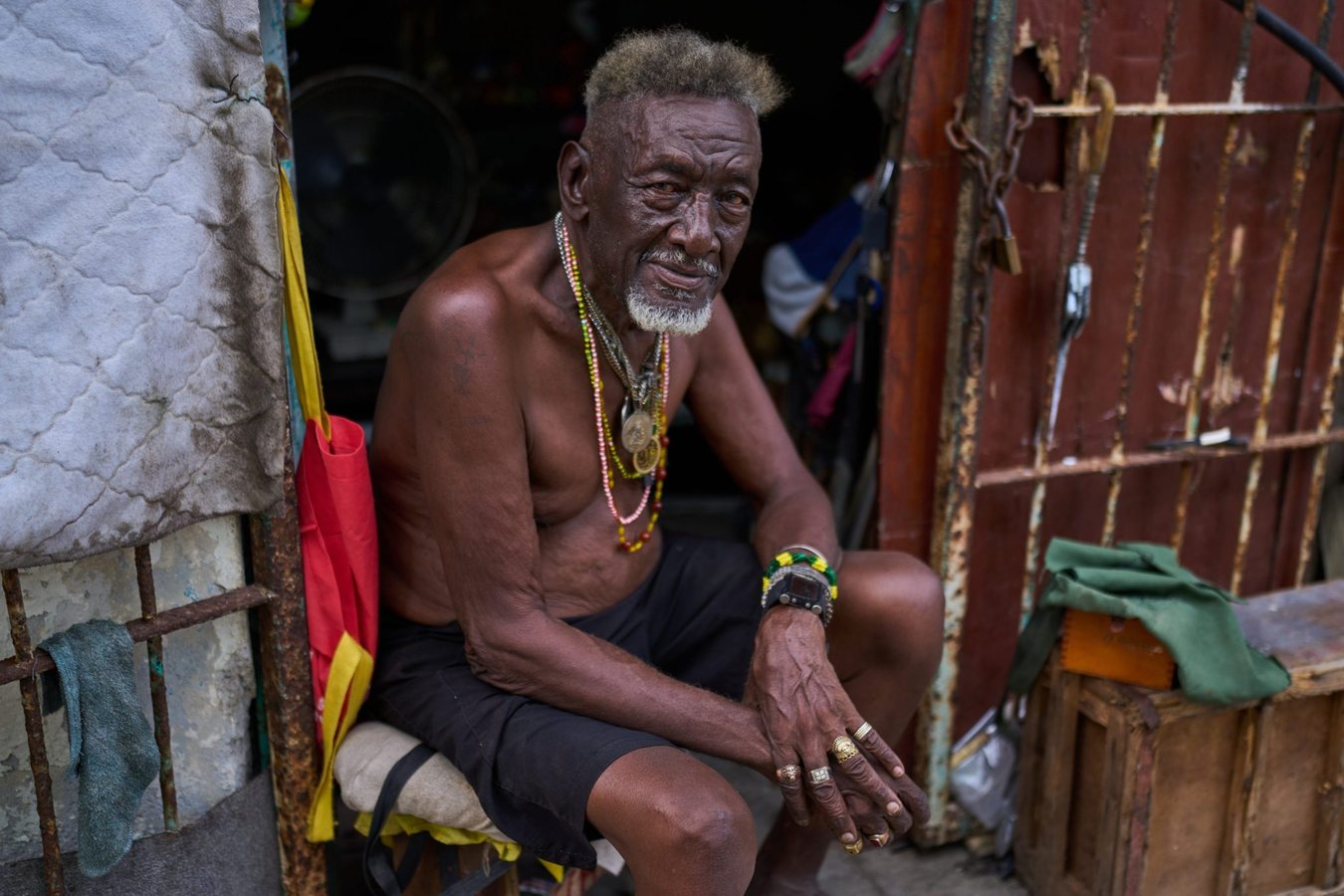
As Cuba endures deepening energy shortages and economic hardship, residents describe a growing psychological toll, with many saying they have lost hope and are struggling to cope with daily life. The U.S. energy embargo, combined with long-standing economic troubles, has left the island of nearly 10 million people facing sweltering nights, water and power outages, dwindling fuel, and crumbling infrastructure.
Dr. Yomeidis Felicó Riverón, a primary care physician in Havana, says her patients often come to her not just for medical care but to unload their emotional burdens. “They come and cry about their troubles, because they have no one else to vent to,” she said. “We end up having to play psychologist.” She described how parents try to shield their children from the harsh realities, often hiding when they lack money for food or other needs. “My son doesn’t know if there’s food or if there’s no food,” she said, explaining that she distracts him with play and trips to the park.
At a recent community workshop where children made gift bags and perfume, mothers like Dianne Tamayo found a brief escape from their worries. “My husband is my rock,” Tamayo said. “When I’m going crazy, my husband tells me, ‘Sit down, breathe … let’s put on some music.’” Still, she admitted to moments of overwhelming frustration. “They are exterminating us,” she said, “and we remain complacent.”
The crisis has worsened since late January, when U.S. President Donald Trump announced tariffs on any country selling or providing oil to Cuba. Cuban Foreign Affairs Minister Bruno Rodríguez said that from March 2025 to the end of February, the “U.S. policy of economic strangulation” cost the island more than $8 billion, calling it a record figure. Island-wide blackouts have become more frequent, with daily outages now exceeding 24 hours, leading to water scarcity and sporadic protests despite fears of detention.
The U.S. Embassy in Havana has issued two public health alerts in recent weeks. On Aug. 28, it warned that Cuba’s water supply infrastructure is increasingly unstable, with residential neighborhoods experiencing long periods without water. On Friday, the embassy reported an increase in gastrointestinal illnesses linked to the “degradation of the water and energy infrastructure,” including cases of E. coli, norovirus, and Shigella.
For many, survival is a daily grind. Oscar Joaquín López, an 81-year-old Havana resident, said he tries not to dwell on what he lacks. “Why? Because it drives you crazy, and nobody is going to drive me crazy,” he said. He and his roommate recently collected water from a street pipe after going several days without it. With temperatures above 90 degrees Fahrenheit, López sits in his doorframe until midnight to catch a breeze from the ocean, then sleeps with a wooden slat wedged in his window to catch any wind.
Nearby, 62-year-old mason José Laó Faviel searched through overflowing garbage for food to feed his pig and her 10 piglets. “What are you going to do?” he said. “We’re living through difficult times.” Another man later rifled through the same pile, finding something to eat after opening several bags.
In Old Havana, 60-year-old Armando Lafita pushes a cart filled with roses and ginger lilies, Cuba’s national flower, selling them for 10 to 40 cents a bunch. “Everybody is fighting to survive here,” he said. “It’s getting harder every day.” He said the only thing keeping him going is his 19-year-old son. Similarly, 70-year-old José Manuel Borroto Díaz and his 93-year-old mother, Teresita del Rosario González Ricardo, rely on each other. “Our situation is like something out of a movie, but we’re going to press on,” Borroto said.
Across the island, Cubans continue to endure, but the emotional strain is evident. As one mother put it, the hope that once sustained them has faded, leaving only the determination to survive another day.
62