
Memorandum
- From
- Caroline Mercer
- Date
- Filed
- Economy·3 min to read
- Re
Russia’s $2.56 trillion economy masks a fourfold regional income gap
ReRussia’s $2.56 trillion economy masks a fourfold regional income gap
Moscow’s 2024 per-capita income was about 4.27 times Tuva’s, even as Russia remained a global leader in energy, palladium, diamonds and forests.
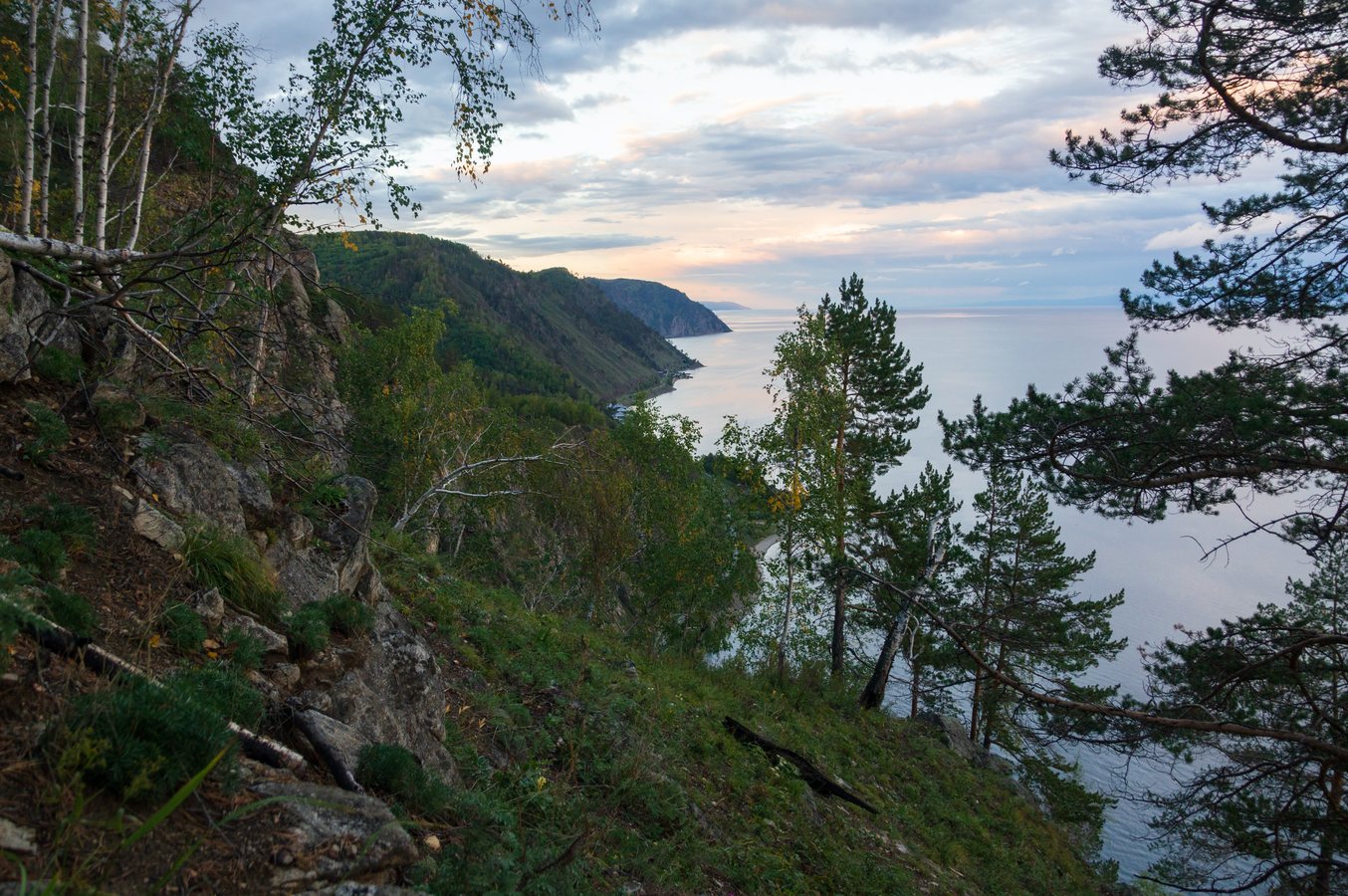
A national economy can look rich and poor at the same time depending on the scale of the map. Russia is a particularly sharp example. The World Bank puts its 2025 GDP at about $2.56 trillion, with 143.5 million people. Its natural-resource position is even larger than the headline GDP suggests.
EIA estimates 58 billion barrels of proved oil reserves and 1,559 trillion cubic feet of proved natural-gas reserves. Russia produced roughly 9.2 million barrels of crude oil a day in 2024. The USGS says the country accounted for 41% of world palladium output in 2024, 30% of gem-quality natural diamonds and 21% of potash. FAO’s 2020 assessment put Russian forest area at about 815 million hectares, around 20% of the global total.
The social numbers diverge sharply by region. Rosstat reports average monthly per-capita money income of 63,959 rubles nationwide in 2024. Moscow recorded 143,171 rubles. Tuva recorded 33,541.6 rubles, with a median income of 26,264.2 rubles. Moscow’s average was about 4.27 times Tuva’s.
The revised national poverty rate was 7.1% in 2024; Tuva’s was 20.4%. These statistics do not support a simple “Moscow versus everyone else” story. Russia has prosperous regional cities and high-wage resource territories. They do show that a national average conceals very different local economies.
The basic constraint is distance. Russia’s Far Eastern Federal District covers 40.6% of the country’s territory but contains only 5.38% of its population. Connecting a sparse population across millions of square kilometers requires more road, rail, power and public-service infrastructure per resident than serving a dense metropolitan area.
The World Bank has described Russia’s spatial disparities in terms of economic geography: inland population dispersion, distance to markets, the legacy of planned settlement and industrial patterns, and the geography of resource extraction. Its work on regional economic potential emphasizes urbanization, connectivity and human capital alongside natural endowment.
That helps explain why abundant resources do not automatically produce evenly abundant living standards. Natural capital creates value, exports and fiscal revenue, but the household experience depends on what comes next: productive firms, schools, health systems, housing, utilities, market access and the ability to move people and goods efficiently.
Buryatia offers one local illustration. In its rural housing stock in 2024, 21.7% of floor area had piped water, 18.2% sewerage and 10.7% hot water. Those are Buryatia-specific figures, not a national rural average, but they make the geographic challenge concrete.
Russia’s unresolved economic potential is therefore not simply the quantity of resources still underground. It is the productivity that could be created around resources already known, and the extent to which that productivity can reach communities far from the country’s largest centers.
61

Source: World Bank data