Memorandum
- From
- Connor Quincy via Environment | The Guardian
- Date
- Filed
- Economy·4 min to read
- Re
IMF Warns Global Economy Could Soon Test Limits of Resilience
ReIMF Warns Global Economy Could Soon Test Limits of Resilience
The International Monetary Fund's latest World Economic Outlook says global growth has held up better than expected, but low emergency oil stocks and overstretched government budgets leave little room for further shocks, while the fund upgraded its UK growth forecast for 2026.
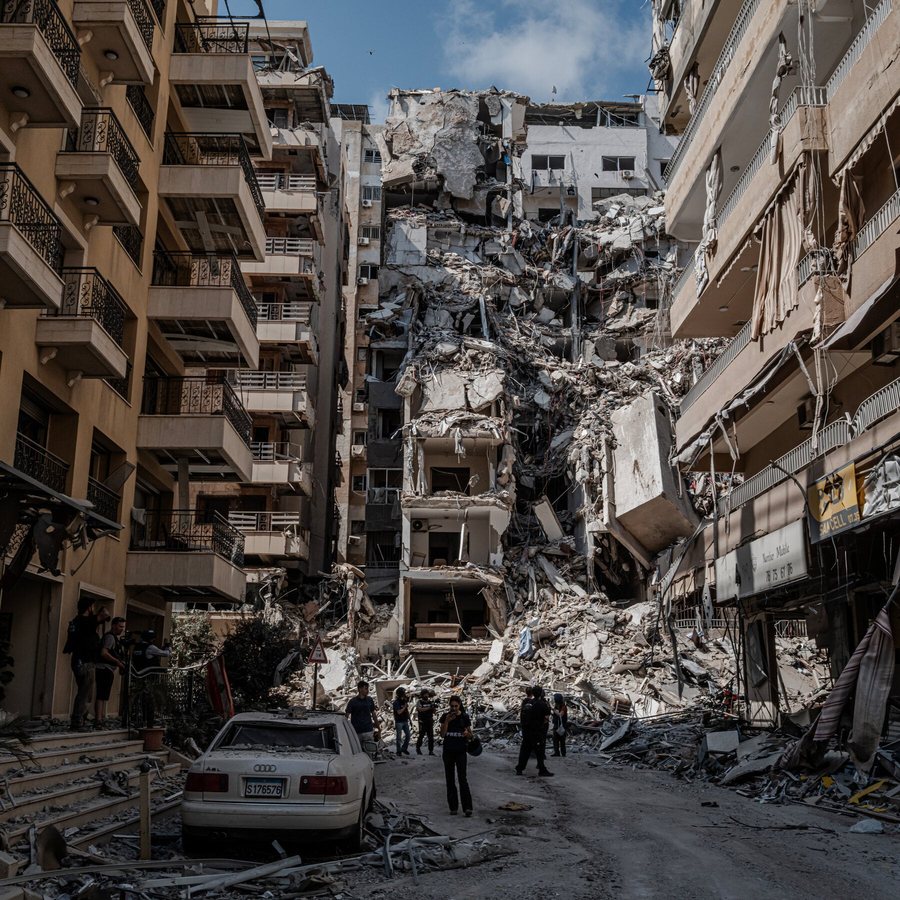
The global economy has weathered the past six months of Middle East conflict better than many officials feared, but its capacity to absorb further shocks is wearing thin, the International Monetary Fund warned in its twice-yearly World Economic Outlook. The fund said the world economy «could soon test the limits of resilience», pointing to depleted emergency oil stocks and government budgets that are already overstretched.
The warning lands at a moment when policymakers have little fiscal room to respond to a new crisis. The IMF's assessment suggests that the buffers built up during earlier downturns have been drawn down, leaving governments and central banks with fewer tools if energy prices spike again or if conflict widens. The fund's message is that the past six months of relative stability should not be mistaken for durable strength.
In the same outlook, the IMF upgraded its forecast for United Kingdom GDP growth in 2026, a modest bright spot against a generally cautious global picture. The revision reflects the fund's view that the UK economy has performed somewhat better than previously expected, even as the broader international backdrop remains fragile.
The fund's concerns extend beyond oil inventories and public finances. The IMF has also warned that global conflicts are deepening the divide between economic winners and losers, with poorer countries absorbing the heaviest damage. That theme runs through the outlook: while some economies have proved surprisingly resilient, others are falling further behind, and the gap between rich and poor nations is widening rather than closing.
The warning about stretched budgets is particularly pointed because it limits the options available to governments if conditions deteriorate. Fiscal support during recent shocks left many countries with higher debt loads and narrower room to maneuver. At the same time, low emergency oil stocks mean that any disruption to supply would be felt quickly in prices, feeding through to inflation and household costs.
The IMF's outlook does not predict an imminent downturn. Instead, it describes an economy that has held up but is running with less margin for error. The fund's language about testing «the limits of resilience» is a signal that the next shock, whether from conflict, energy markets, or financial conditions, could prove harder to absorb than the last one.
For the United States and other advanced economies, the practical implication is that the cushion is thinner than it appears. For developing countries, the IMF's parallel warning about a widening rich-poor gap suggests that the costs of global instability are not shared evenly. The fund's twice-yearly report is closely watched by investors and finance ministries as a benchmark for where the world economy is heading, and this edition strikes a tone of guarded concern rather than alarm.
The upgrade to UK growth for 2026 offers a counterpoint to the broader caution, indicating that some economies are still finding room to expand. But the fund's central message remains that resilience is not unlimited, and that governments should treat the current period as an opportunity to rebuild buffers rather than a sign that risks have passed.
6