Memorandum
- From
- Connor Quincy via Fortune | FORTUNE
- Date
- Filed
- Politics·5 min to read
- Re
Meta’s automated systems wrongly took down No Kings and a Senate candidate’s page
ReMeta’s automated systems wrongly took down No Kings and a Senate candidate’s page
Meta has blamed automated moderation errors for suspending the No Kings Instagram account and restricting content tied to Brazil’s presidential race, as it hands more enforcement to AI.
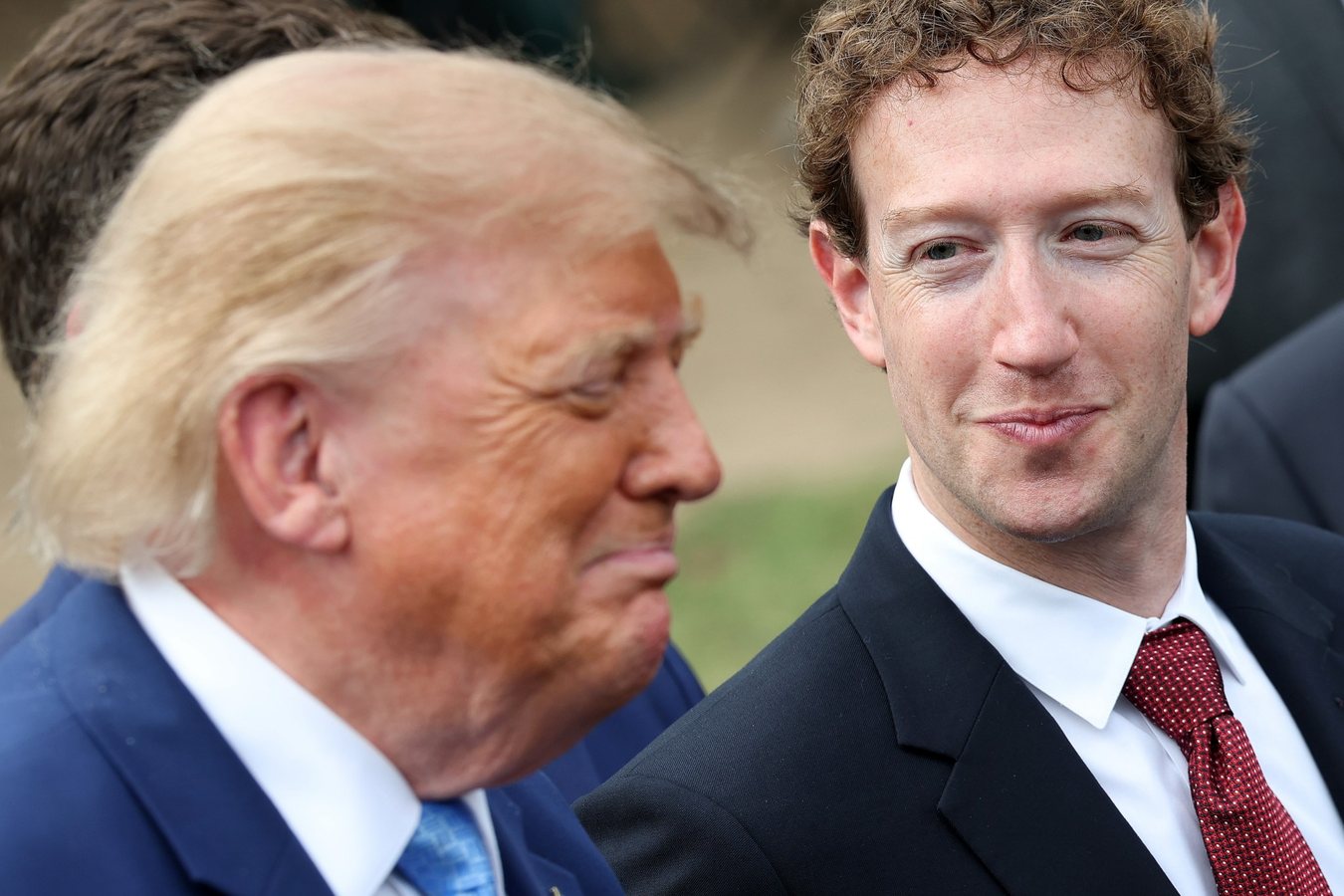
Meta has blamed its automated content moderation systems for a string of election-related errors in Brazil and the United States, even as the company moves more of its policing work from human reviewers to artificial intelligence. The mistakes have drawn complaints from a sitting president, a national protest movement and a U.S. Senate candidate.
According to the Financial Times, large language models had replaced human reviewers for about half of review requests by June, with a goal of 90 percent or more automation for some violation categories by the end of 2026. Meta told the paper its models make 13 percent fewer errors than human reviewers and catch 10 percent more violations, while some employees have warned the shift is happening too fast with too little oversight. An October report from the Institute for Strategic Dialogue said platforms have disclosed little about how these systems work or are tested, calling reliance on them as the primary means of oversight during a fast-moving election cycle an untested proposition.
In Brazil, President Luiz Inácio Lula da Silva won a fourth term in an October 25 runoff despite what his campaign said were Meta’s efforts to restrict his online reach. Meta blamed technical errors. Lula’s campaign went to Brazil’s Superior Electoral Court on October 10, accusing Meta of favoring opponent Flávio Bolsonaro through biased algorithms and AI restrictions. The campaign cited cases in which automatic translation rendered a comment calling Flávio a future prisoner as “Flávio future president,” and alleged that Meta restricted sharing of some of Lula’s posts. The newspaper Folha de S. Paulo reported that Meta staff acknowledged in internal messages that Lula’s accounts were restricted compared with Bolsonaro’s.
The court ordered Meta on October 15 to treat both candidates equally under threat of a daily fine of 500,000 reais, about $98,000. After finding the company’s initial response insufficient, it gave Meta 24 hours on October 19 to prove it had not restricted either candidate. Meta’s filing listed 17 measures, according to Reuters, including human review within two hours of any automatic restriction on the presidential campaigns’ ad accounts. The company denied treating the candidates unequally. Bolsonaro’s campaign later joined the case, saying it had also been treated unfairly. Brazil’s electoral prosecutor’s office told the court that Meta had not fully complied with the rulings, arguing that errors varied by candidate. The court has yet to decide whether to fine Meta, and federal prosecutors filed a civil suit against the company on October 21.
In the United States, Meta suspended the Instagram account of the No Kings coalition on October 17, during the fourth national No Kings day of action aimed at encouraging early voting, MS NOW reported. Organizers said the account went down at about 1:30 p.m. ET, at the height of the day’s events, for about 90 minutes, and administrators could not access it for several hours after it became viewable again. The coalition also said it had received reports that No Kings and early voting content seemed inaccessible, restricted or suppressed across Meta platforms.
Meta’s explanation shifted within a day. Andy Stone, Meta’s vice president of communications, first attributed the suspension to unusually high rates of posting, sharing or commenting. The next day he wrote on X that the company’s network security systems had detected the use of a Claude tool reading profiles, posts and hashtags in intense bursts, and that its automated protections had wrongly taken the account offline. “We want to reiterate our sincere apology for the error,” Stone wrote. The coalition’s social media team later told Ars Technica it had used Claude, the AI model from Anthropic, to search keywords and hashtags to track online conversation.
The coalition sent an open letter to Meta CEO Mark Zuckerberg asking whether the company had communicated with the Trump administration about the event or the 2026 midterms, and how Meta’s whitelist protocols, which shield certain high-profile accounts from automated removal, treat Trump and his allies compared with No Kings and other civil society efforts to encourage voter participation. In an October 21 reply, the coalition’s response was reported as continuing to press those questions. Meta did not respond to Fortune’s request for comment.
4